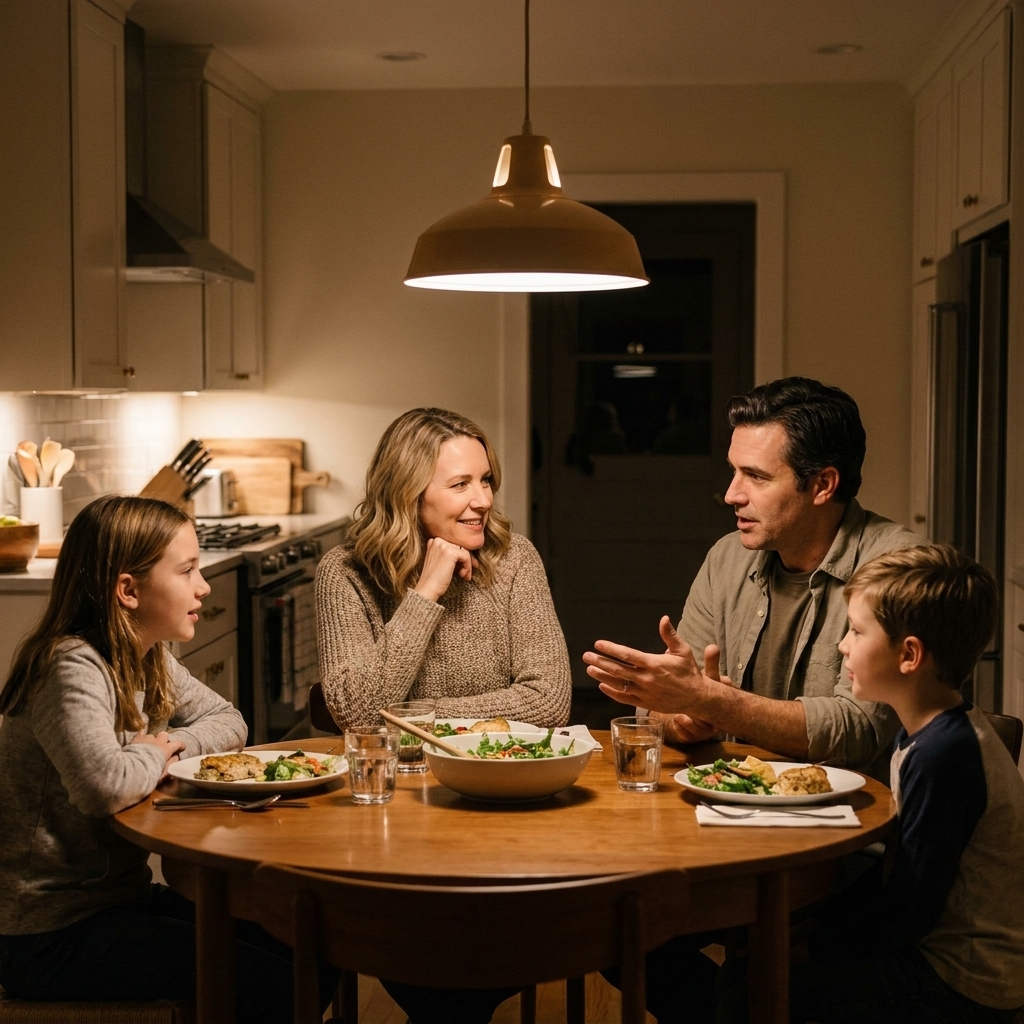
Blended families ask a lot of a marriage. You are building a relationship while also managing history, loyalty binds, schedules, ex-partner dynamics, and kids who did not choose the new arrangement. If it feels like you spend half your week negotiating and the other half cleaning up feelings, you are not failing. You are doing blended family reality.
After years in family therapy rooms and later as a parent in my own messy middle, I can tell you this: the couples who make it do not avoid conflict. They get intentional about how they handle it, and they protect the partnership without treating kids like an obstacle.
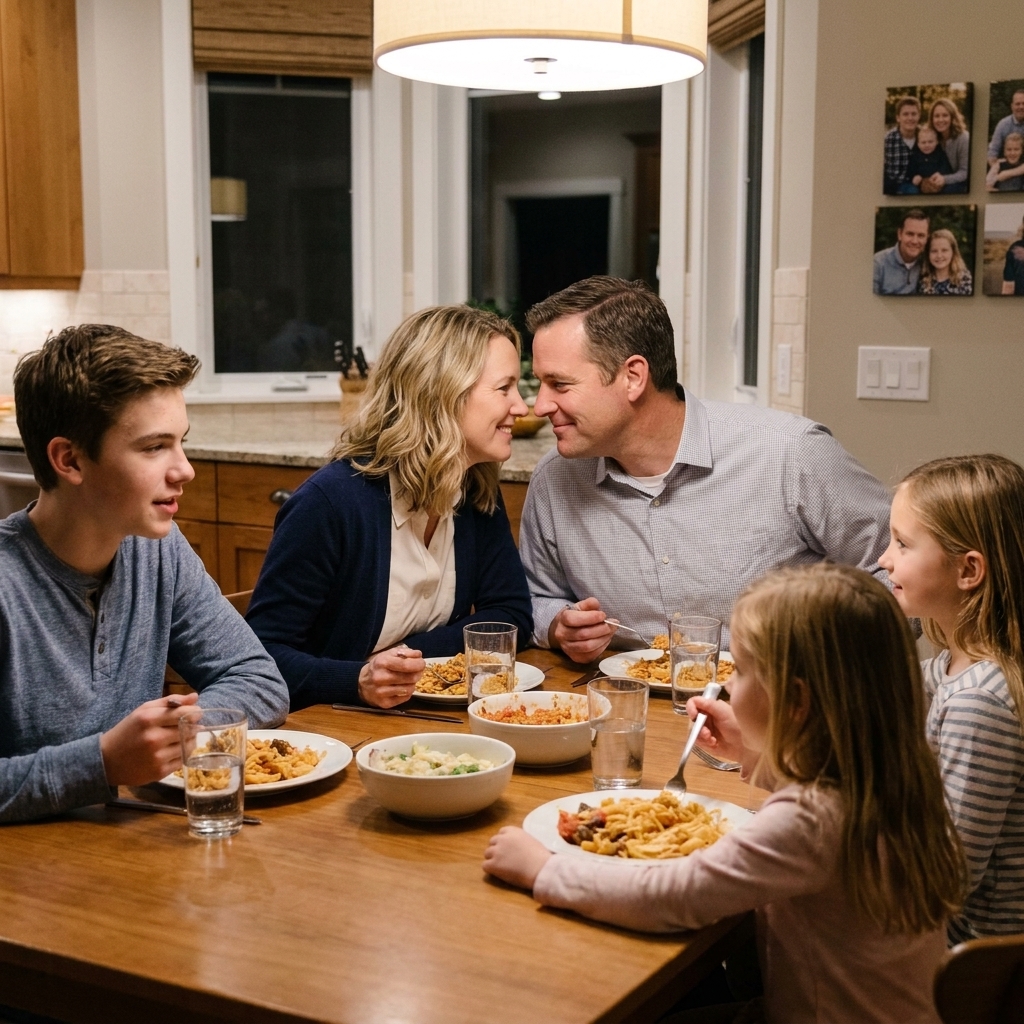
Here are five essential, therapy-informed strategies that help you balance your roles as partner and stepparent while keeping a united front in a newly blended household.
1) Name the mission: partner first, kids always
In a blended family, “partner first” can sound harsh, especially to a parent who has spent years operating as a solo unit with their child. Let’s soften the language without losing the point: your marriage is the leadership team of the home, and the kids need that team to be steady.
When the adult relationship is consistently undermined, children often feel less secure, not more. Security tends to come from predictable, aligned adults, not from winning every disagreement in real time.
Try a simple mission statement
Pick one sentence you can both agree on, like:
- “We will be warm with the kids and unified with each other.”
- “We do not ask the kids to choose sides, and we do not choose sides against each other.”
- “We handle adult issues privately and show teamwork publicly.”
Write it down. Put it in a shared note. It sounds corny until it saves you in the middle of a Saturday meltdown.
If you feel guilty prioritizing the partnership, remember: you are not choosing your spouse over your children. You are choosing stability for your children.
2) Agree on roles before you enforce rules
One of the fastest ways to strain a blended marriage is unclear authority. The stepparent steps in too quickly, the biological parent feels criticized or defensive, and the child senses the power struggle like a bloodhound.
The fix is not “the stepparent does nothing” or “the stepparent takes over.” The fix is agreeing on roles and pacing.
A role roadmap that reduces conflict
- Biological parent: leads discipline and major consequences early on, especially around sensitive topics like screen time, grades, chores, and respect.
- Stepparent: focuses first on connection, household support, and neutral authority, like reminding, redirecting, and reinforcing shared routines.
- Both partners: collaborate privately on rules and consequences so no one is improvising in front of the kids.
A helpful guideline in stepfamily work (including clinicians like Patricia Papernow) is that stepparent authority tends to land better when it grows in proportion to trust. In plain language: closeness first, correction later.
Quick age note: younger kids often adapt to routine faster, while teens may interpret new authority as a personal threat. With teens, go slower on correction and faster on respect, privacy, and predictable follow-through from the biological parent.
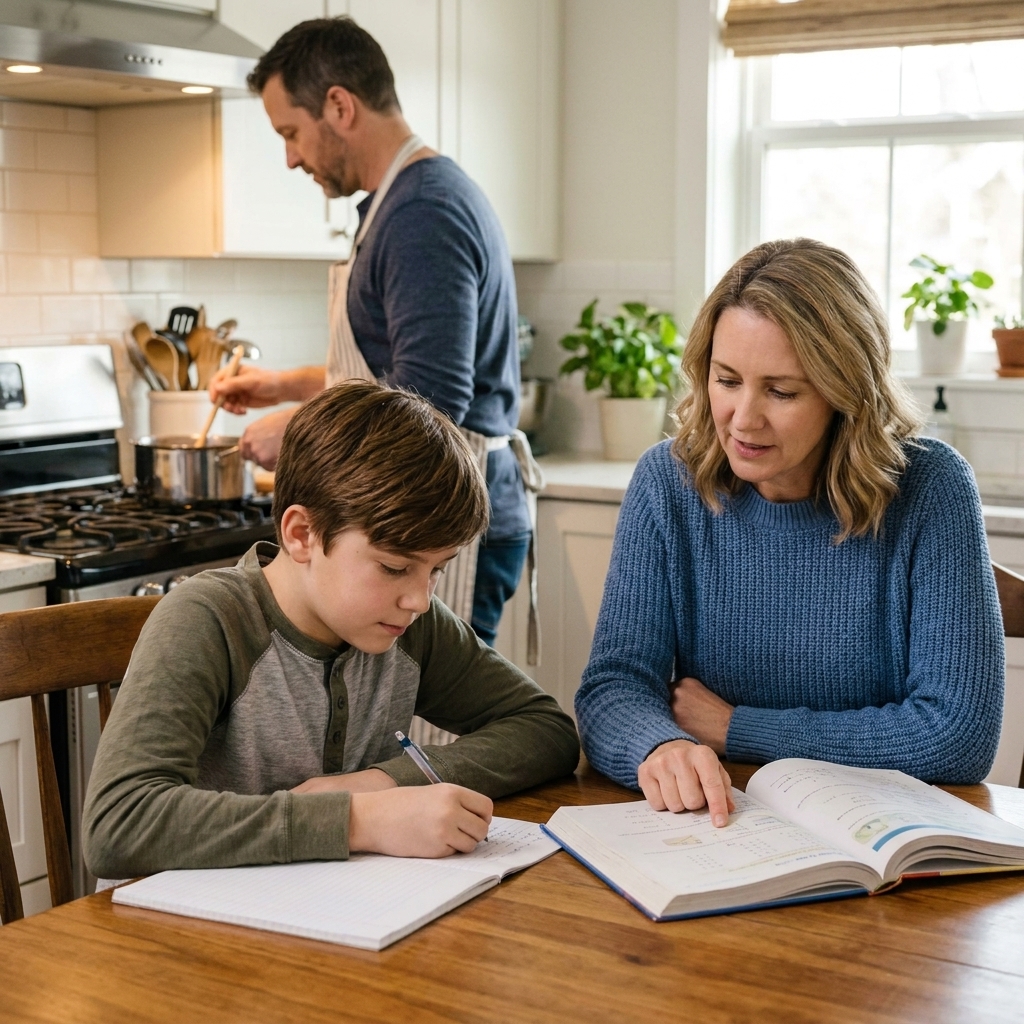
3) Hold private summits, stop negotiating live
In a blended family, the kitchen becomes a courtroom. A child asks for something, you glance at your partner, someone hesitates, and suddenly you are co-counsel for opposing sides.
Aim for this guideline: do not handle adult disagreements in front of the kids, especially disagreements that recruit them, undermine the other adult, or invite them to vote on the outcome.
That said, children can benefit from seeing calm disagreement and repair. The goal is not “never disagree.” The goal is “do not make the kids the arena.” If a tense moment slips out, let them see you come back together.
How to run a 20-minute weekly summit
- Pick a recurring time: Sunday night, Wednesday lunch, whatever you can actually keep.
- Use a short agenda: schedules, school and behavior, household logistics, and one relationship check-in.
- Decide two or three house rules together: bedtime rhythm, device expectations, respectful language, chores. Keep it tight.
- Clarify who delivers consequences: especially for each household or each child, if you have different ages and histories.
When kids ask for an on-the-spot ruling, practice this sentence until it feels natural: “Thanks for asking. We will talk and get back to you.” It is not a stall. It is leadership, and it keeps you from negotiating your marriage in the doorway.
What this looks like in real life
Your stepdaughter asks for extra screen time. You say yes reflexively. Your partner stiffens. Instead of debating in front of her, you pivot: “We are going to check the plan and get back to you after dinner.” Later, in private, you decide together: screens happen after homework, and extra time can be earned on weekends. Next day, you deliver it as a team.
4) Repair fast: “We are on the same team”
Most couples do not break from one big fight. They break from thousands of tiny moments that never get repaired: the eye roll, the “not now,” the parent siding with their child to avoid a scene, the stepparent feeling like an outsider in their own home.
Repair is the skill of returning to connection after disconnection. It is widely recommended in relationship research and clinical practice (including Gottman-style “repair attempts”), and blended families need it even more because there are more moving parts and more tender spots.
Use a three-step repair script
- Name what happened: “That got tense fast when Josh talked back.”
- Own your slice: “I jumped in sharply and you looked blindsided. I am sorry.”
- Re-team: “How do we want to handle it next time so we are aligned?”
If you want a phrase that works in the moment, borrow this one: “Pause. I am with you. Let’s handle this together.” It can be said quietly in the hallway. It can be texted. It can be mouthed across the room like a secret handshake.

5) Protect the marriage with small rituals
In blended family life, romance often gets demoted behind custody calendars, sports practices, and the emotional weather of kids adjusting. Waiting for “things to calm down” is a trap, because blending is usually a long season, not a short project.
You need rituals that are realistic, not Pinterest-worthy.
Choose two rituals: one daily, one weekly
- Daily: a six-second kiss, a five-minute debrief after the kids are down, or a quick “anything you need from me tonight?” check-in.
- Weekly: a walk, coffee date, shared show, or a standing babysitter night if feasible.
- Monthly: a conversation about what is working and what is not, especially around roles and discipline.
One more ritual that matters in blended homes: the private united front. Even if you disagree, try to find one way to support each other publicly. You can refine the plan later. But in the moment, kids tend to benefit from seeing adults who do not undercut each other.
Common friction points
“My partner is too strict with my kid.”
Start with curiosity, not accusation. Ask: “What are you worried will happen if we do not address this?” Then agree on a consequence ladder that matches the child’s age and temperament. If the stepparent is delivering consequences, consider dialing it back temporarily while the relationship builds.
A simple three-rung ladder: (1) reminder and reset, (2) loss of a small privilege tied to the behavior, (3) larger consequence delivered by the biological parent, plus a repair step like apology or redo.
“I feel like an outsider in my own house.”
This is incredibly common for stepparents. Instead of pushing harder for authority, push for belonging. Ask for specific inclusion: shared family routines, a seat in decision-making, and one-on-one time with your spouse that is protected from kid interruptions when appropriate.
“The kids play us against each other.”
Assume it is a normal kid strategy, not a moral failing. Respond with calm consistency: “We will decide together.” Then follow through. The behavior often fades when it stops working.
“The ex dynamic is running our house.”
Keep boundaries boring and consistent. Pick one channel (email or a co-parenting app), one response window when possible, and a neutral tone. Many couples use a BIFF-style approach: brief, informative, friendly, firm. You can also agree on a simple rule like: no co-parenting messages after 8 p.m. unless it is urgent.
When to get outside support
Some issues are bigger than tips, especially when grief, trauma, or high-conflict co-parenting is involved. Consider couples therapy or blended family counseling if:
- One partner consistently feels disrespected or unsupported.
- Arguments regularly escalate into yelling, stonewalling, or threats of leaving.
- You cannot agree on basic parenting expectations.
- Kids are showing major distress, like school refusal, persistent aggression, or withdrawal.
- An ex-partner dynamic is dominating your home life.
Safety note: if there is intimidation, coercive control, or any form of abuse, do not use “united front” language to silence yourself. Seek specialized support and consider individual counseling and safety planning.
A good therapist will help you build agreements that protect the marriage and the children, without turning anyone into “the problem.”
A closing note from the messy middle
Blended families can be tender in the most unexpected ways. They can also be exhausting. If you are feeling stretched thin, you are not alone and you are not behind.
Focus on the basics: align privately, connect publicly, repair quickly, and protect your relationship with small rituals you can actually keep. Over time, those choices become the emotional architecture of your home, the kind that holds up even when life gets loud.