
When you are dating with real intention, the app is not just a tool. It becomes a tiny doorway into your daily emotional life. That is why choosing between Hinge and Match can feel surprisingly personal, especially if you are tired of “good banter” that never turns into an actual Tuesday-night dinner.
I have sat with couples in my therapy office who met online and built something steady. I have also sat with people who were emotionally wrung out by the constant near-misses of modern dating. The right question is not “Which app is best?” It is “Which app supports the way I actually date, communicate, and commit?”
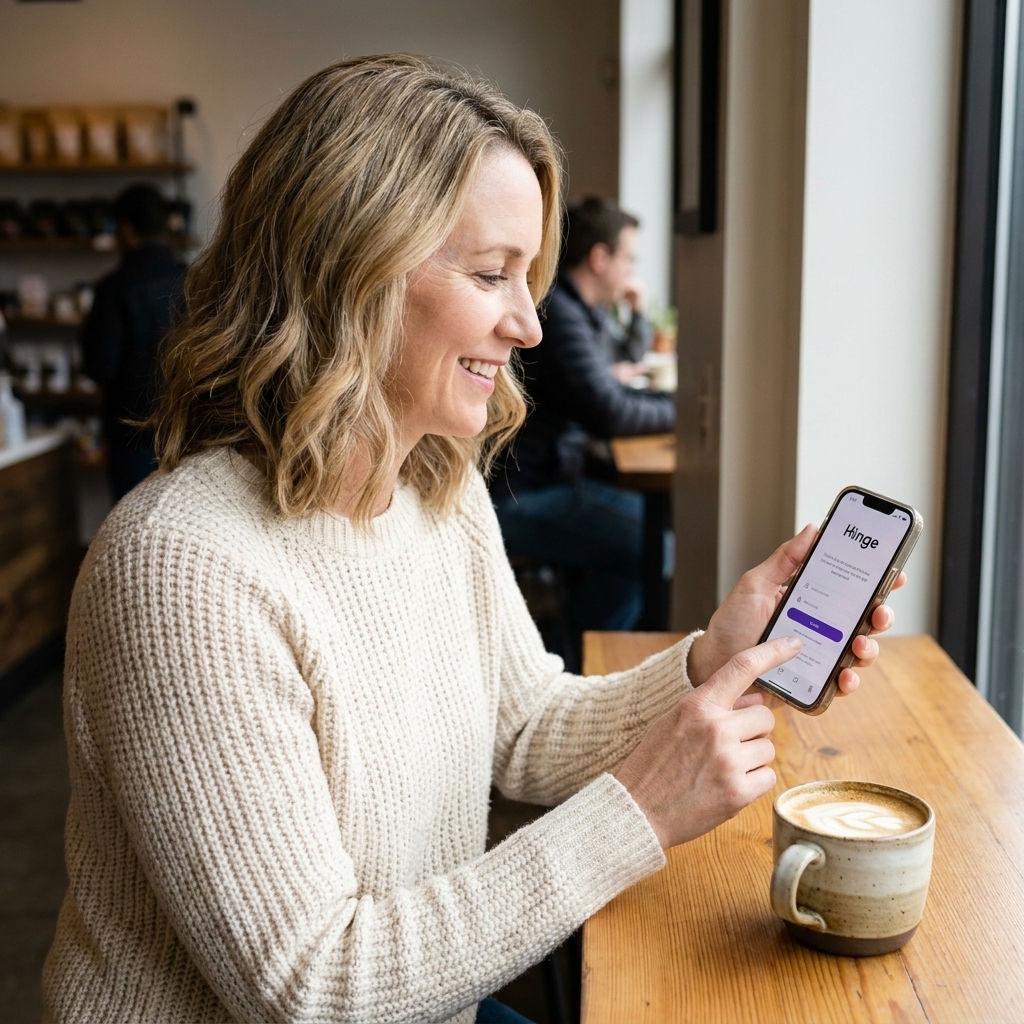
Below is a clear, no-shame comparison of Hinge vs. Match, with the pieces that matter most if you are looking for a committed partner: features, pricing, who tends to use each platform, and what tends to predict real follow-through.
The quick takeaway
- Choose Hinge if you want a modern interface, prompt-based profiles, and a faster path to dates with people who feel “real” on the page. It often works well for people who want commitment but prefer a lighter, mobile-first experience.
- Choose Match if you want a bigger, more traditional dating database, more robust search filters, and a platform that has long positioned itself around relationships and marriage-minded dating. It can be especially useful if you want more control over screening and do not mind paying for it.
- Many serious daters do best using one app well for 6 to 8 weeks instead of using three apps halfheartedly for six months. Consider that a rule of thumb, not a moral law. Consistency beats “more options” a lot of the time.
Key differences at a glance
- How you browse: Hinge is like-and-comment on prompts and photos; Match leans more search and filter driven.
- Free tier feel: Hinge is genuinely usable for many people; Match is more likely to feel limited unless you pay (especially around messaging access).
- Conversation starters: Hinge prompts do more of the work for you; Match leans on longer profiles and your own opener.
- Screening: Hinge offers preferences and dealbreakers; Match typically offers deeper search control (features can vary by plan and location).
- Pace: Hinge nudges quicker momentum; Match supports a slower, more deliberate read-and-filter approach.
Feature panel
If you want the simplest side-by-side, here are the categories most serious daters compare. Specific limits and rules change, so treat this as a practical guide, not a permanent promise.
- Daily likes and limits: Hinge’s free tier typically includes a limited number of likes per day (the limit can vary by account, market, and app updates). Match is less about daily like limits and more about what you can do with messaging and discovery tools on your plan.
- Who can message: Hinge generally lets you attach a comment to a like, which can serve as a first message once there is mutual interest. Match messaging access and visibility can vary; many users report it feels more “pay to connect” than Hinge.
- See who liked you: Both apps commonly place this behind paid features.
- Advanced filters and dealbreakers: “Stronger filtering” typically means more preference categories, more dealbreakers, and more control over what you see. Hinge often keeps this simpler; Match often offers deeper search and screening tools.
- Verification and safety tools: Both have reporting and blocking features. Availability of identity or photo verification tools can vary by market and version.
What each app is designed to do
Hinge: chemistry first, then clarity
Hinge is built around prompts and quick, specific interactions. Instead of only swiping on photos, you can like a particular answer or a specific photo and start a conversation right there. In real-life terms, it nudges you away from generic openers and toward “I noticed this detail about you.” That can be a subtle but powerful difference for creating momentum.
Hinge also markets itself as an app “designed to be deleted,” and while marketing is marketing, the structure can support quicker movement from messaging to meeting if you use it intentionally.
Match: compatibility and screening, with more control
Match has been around long enough to feel like an institution in online dating. Its strength is depth: longer profiles, robust filtering, and a broader pool that often includes people who are explicitly seeking a long-term partnership. It can feel less “snackable” than newer apps, but for some daters that is a feature, not a bug.
If you are someone who wants to read, reflect, and filter before investing energy, Match tends to meet you there.
Features that matter most
Profile quality and starters
- Hinge: Prompt-driven profiles make it easier to show personality and values quickly. You can like specific pieces of a profile, which often leads to more grounded first messages.
- Match: Profiles can be more detailed, which helps if you want to screen for lifestyle alignment, family goals, religion, or long-term preferences. The downside is that some profiles still read like a resume, and the energy can feel a bit more formal.
Matching and discovery
- Hinge: You see a feed of potential matches and interact by liking specific content. It is designed for quick decisions, but the prompts help you decide based on more than just a photo.
- Match: Discovery leans more on search and filters. If you know what you are looking for and you do not mind using those tools, it can feel empowering.
Filters and dealbreakers
- Hinge: Offers preference settings, and paid tiers typically unlock stronger filtering. In plain terms, that usually means more advanced preferences and more dealbreakers you can set, so you see fewer mismatches.
- Match: Filtering and search have historically been a major draw. If your goal is to avoid spending time on mismatches, this can be worth the price of admission.
Messaging and paywalls (typical)
Apps change features and pricing often, and plans can differ by market, promotions, and subscription length. So think of this as a practical snapshot, not a guarantee. If your publication requires strict verification, consider adding an “as of publication date” note based on current in-app screenshots for your region.
- Hinge, free: Many people can get traction without paying because you can send a limited number of likes per day. That limit can change, and it can vary by account, market, and app version. You can often attach a comment to a like, which increases the odds of an actual conversation.
- Hinge, paid (typical): More control and fewer limits, often including things like advanced preference filters, seeing everyone who liked you, and more likes.
- Match, free: Often allows browsing, but the ability to message and fully connect can be restricted. If you are not sure what is currently included, check the in-app prompts and plan comparison page for your specific account.
- Match, paid (typical): Messaging access and deeper search tools are commonly the point of the subscription. Depending on the plan, you may also get add-ons like seeing who likes you or additional discovery features.
Safety and authenticity
Both platforms have safety tools and reporting features, and both can contain people who are less honest than we would like. The bigger issue is not the app. It is the pace at which intimacy ramps up.
If you want a serious relationship, watch for consistency more than charm: consistent availability, consistent communication, consistent willingness to meet in public, and consistent stories over time. A person who wants commitment is usually not allergic to clarity.
Also, a quick and practical scam checklist, because it matters:
- Be cautious if they push you off-app immediately (especially to WhatsApp or Telegram) before you have basic trust.
- Watch for fast intensity (love-bombing, future talk on day two, pressure to “prove” yourself).
- Verify gently: suggest a brief video call, ask one grounded question about their week, and notice whether answers stay consistent.
- Be wary of money stories: sudden emergencies, investment tips, gift cards, or “I just need help this once” is a hard no.
- Meet in public, tell a friend where you are going, and keep your own transportation on a first date.

Events and offline options
- Hinge: Primarily app-based interaction. Great if your schedule is packed and you prefer quick check-ins.
- Match: In some locations and at certain times, Match has offered in-person events or hosted meetups. Availability changes and may not be active in your area, so treat this as a “maybe” bonus rather than a core feature.
Pricing: what you might pay
Pricing shifts by region, promotions, and subscription length, so I will keep this practical. Many serious daters end up paying for at least a month or two on whichever platform they choose, because paid features tend to reduce friction.
Hinge pricing overview
- Free version: Often usable because daily likes are limited but real. If you are selective and you comment with intention, you can still meet people.
- Paid tiers (typical): Usually remove limits and add control, like more likes, stronger filters, and the ability to see who already liked you.
Match pricing overview
- Free version: Often feels more like browsing than dating, because meaningful messaging and connection features may be restricted.
- Paid subscriptions (typical): Commonly unlock broader messaging access and deeper search and filtering, which is where Match starts to feel most usable for many people.
My therapist-brain advice: if paying makes you feel resentful, you will bring that resentment into the process. Pick the app you can use with a clear mind, even if that means paying for one month, using it with focus, then reevaluating instead of staying subscribed out of sunk-cost panic.
Who uses each app
Demographics vary by city, age range, and even neighborhood. What follows is best read as pattern-recognition from user experience and the general reputation of each platform, not a promise about your exact zip code.
Hinge often attracts
- Mobile-first daters, with strong representation among people in their 20s and 30s, plus plenty in their 40s depending on area.
- Conversation-forward people who like prompts, humor, and quick emotional reads.
- “Serious but modern” energy: many are open to commitment, but they may not lead with marriage talk on day one.
Match often attracts
- A broader age range, often including a noticeable presence of people in their 30s, 40s, 50s, and beyond.
- Intentional daters who are comfortable stating what they want.
- People who prefer structure: longer profiles, clearer filters, and sometimes a more traditional approach to dating milestones.
If you are dating after divorce, dating as a single parent, or dating while caring for aging parents, both apps can work. The key is choosing the environment that matches your current capacity. If your time is limited, Hinge may get you to “let’s meet” faster. If your emotional bandwidth is limited, Match’s screening tools can reduce the number of dead-end conversations.
A note on inclusivity: LGBTQ+ daters and people with specific relationship styles (monogamy, ENM, and everything in between) can find partners on either app, but your experience will vary by location and how clearly you state what you want. The most important move is to name your relationship intent early and kindly, then screen for people who match it.
Long-term success
It is tempting to ask for a simple scorecard: which app produces more marriages, more long-term relationships, more “we bought a dog together.” The truth is that success rates are hard to verify cleanly because platforms define “success” differently, people use multiple apps, and relationships are not a tidy metric.
But in real, day-to-day dating life, committed outcomes often correlate with a few practical behaviors that either app can support:
- You move from messaging to meeting within a reasonable window. For many people, a helpful rule of thumb is 7 to 14 days, when safe and feasible, depending on schedules and comfort.
- You ask values-based questions early. Not interrogations. Just gentle clarity about the big life stuff: kids, timelines, monogamy, faith, relocation, sobriety, caregiving responsibilities.
- You date fewer people more thoughtfully. The “busy inbox” approach can create the illusion of abundance while quietly numbing your ability to attach.
- You choose someone emotionally available. The best profile in the world cannot compensate for inconsistency, secrecy, or chronic ambiguity.
If you want a serious relationship, your best strategy is not finding the perfect app. It is behaving like a serious person: clear, kind, consistent, and willing to follow through.
Openers and questions
A prompt-based opener (Hinge-style)
If they write, “The hallmark of a good relationship is…” you can say: “I liked your answer about repair after conflict. What does a healthy ‘reset’ look like for you after a hard day?”
A values question that stays warm
Try: “What does a good relationship look like to you day-to-day?” Then listen for the boring basics: kindness, reliability, repair, shared effort. People who want commitment usually have thought about the Tuesday nights, too.
Who should pick what
Pick Hinge if you
- want a more modern experience and quicker conversational traction
- do best with prompts that reveal personality fast
- are relationship-minded but prefer a lighter tone while you screen for substance
- tend to overthink and need a little nudge toward actually meeting
Pick Match if you
- want more search control and more detailed profiles
- prefer a platform where “looking for something serious” is more openly stated
- are dating in your 30s, 40s, 50s, or beyond and want a broader pool in that range
- feel calmer when you can filter for major dealbreakers upfront

If you are stuck, try this
Write down your top three “must haves” and your top three “cannot dos.” Not a fantasy list. A life list. Then ask:
- Which app makes it easier to spot these quickly?
- Which app’s vibe helps me act more like myself?
- On which app am I more likely to follow through and schedule dates?
The best app is the one that helps you behave like the person you want to be in a relationship, not the person you become when you are tired and doom-scrolling.
How to use either app
1) Put your intention up top
You do not need to sound like a legal contract. You do need to sound like a person with a direction. Try: “Dating with the hope of building something lasting,” or “Ultimately looking for a committed partnership.”
2) Ask one question that reveals maturity
My favorite early question is simple: “What does a good relationship look like to you day-to-day?” People who want commitment usually have thought about the boring parts, too.
3) Keep the first date simple
Coffee, a walk, or a casual drink is not unromantic. It is emotionally intelligent. Save the three-hour dinner for when you know you actually like the person, not just their photos.
4) Watch follow-through
Butterflies can be attraction. They can also be your nervous system bracing for inconsistency. The green flag is a person who shows up the same way twice.
FAQ
Is Hinge or Match better for marriage?
Either can lead to marriage, but they support different styles. Match often attracts people who are more comfortable stating long-term goals upfront. Hinge often helps you find chemistry and conversational ease quickly. Marriage-minded dating usually comes down to your clarity, your screening, and your willingness to meet in real life.
Do I have to pay to get serious results?
Not always, but paying can reduce friction. If you are short on time or want stronger filters, a paid month can be worth it. If money is tight, choose one app, use the free version with consistency, and prioritize meeting sooner rather than collecting endless chats.
Which app is better after divorce or as a single parent?
Both can work. Many divorced daters appreciate Match’s filtering and depth. Many single parents like Hinge’s quicker read on personality and values. The best fit is whichever app makes it easiest to communicate your reality early without feeling like you have to apologize for it.
What is the biggest mistake people make on both apps?
Staying vague to seem “easygoing.” Vague attracts vague. If you want a committed partner, it is kinder to be clear early. The right person will feel relieved, not pressured.
My bottom line
If you want the simplest answer: Hinge often wins for momentum and personality, while Match often wins for screening and breadth. But the app is only the container. The real differentiator is how you use it.
Date like someone who is building a life, not just filling a weekend. And if you are feeling discouraged, please hear this: needing help, structure, or a better tool is not a personal failure. It is just being human in a very noisy dating world.