

When my kids hit the teen years, I learned a humbling truth: parenting is a lot like trying to assemble furniture with one page missing from the instructions. You can still get there, but you will second-guess every step.
One of the most common “missing pages” for parents is this: Do we talk to the school counselor, or do we find an outside therapist? As a former family therapist, I can tell you there is no universally correct door. There is, however, a door that makes the most sense first based on what your teen is dealing with, what they need right now, and what the school can realistically provide.
The quickest way to decide
If you are overwhelmed, here is a practical starting point I used to give families in my office.
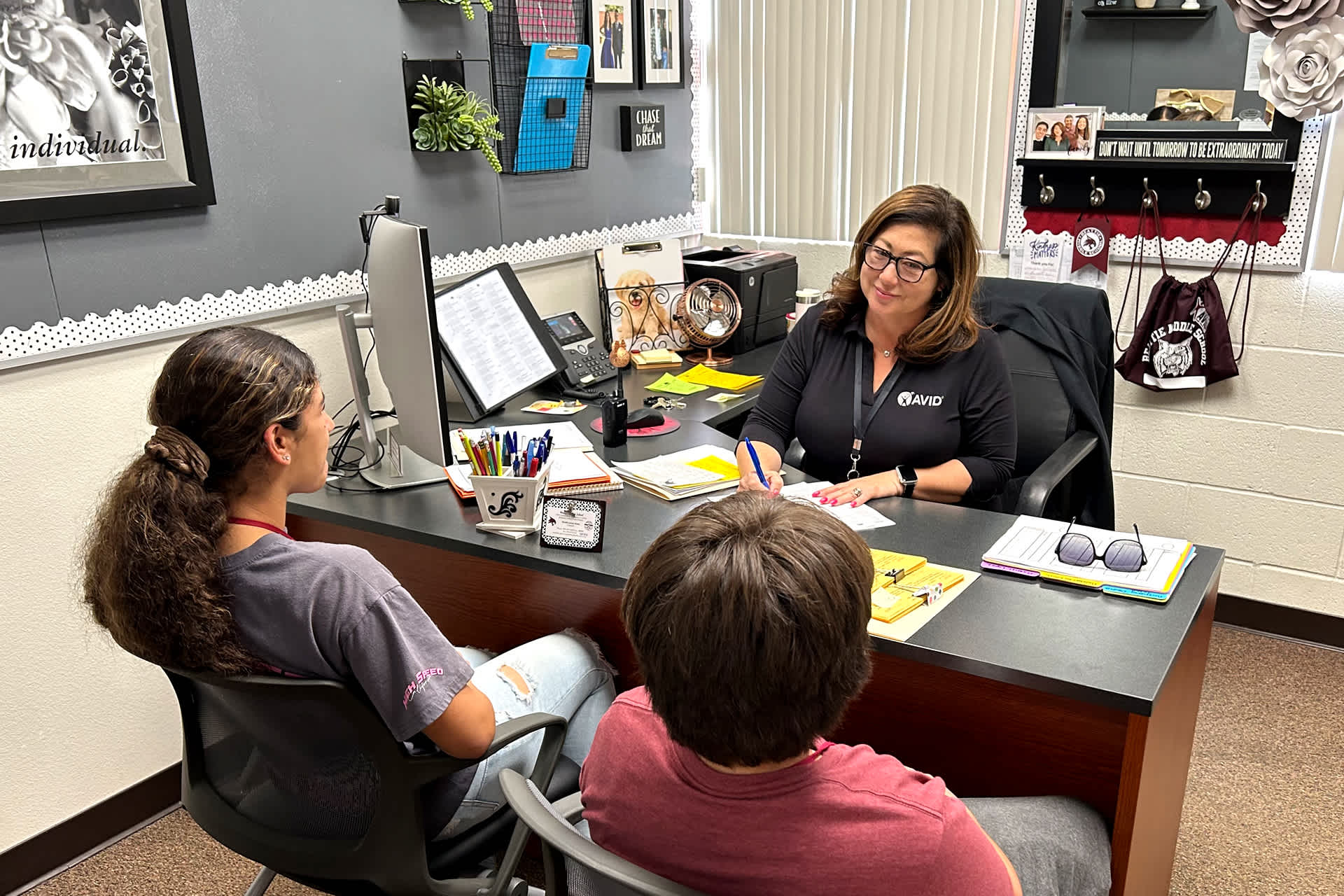
- Start with the school counselor when the concern is tied to school functioning: attendance, grades dropping, class anxiety, friend conflicts at school, schedule stress, academic pressure, bullying, or a need for school-based supports.
- Start with an outside therapist when the issue is more intense, more private, ongoing, or clinically complex: trauma, self-harm, eating concerns, substance use, severe anxiety or depression, panic attacks, family conflict spilling over at home, or anything involving safety.
- Use both when your teen needs consistent clinical support and school accommodations or advocacy.
Now let’s slow down and make this clearer, because teens are not checklists. They are humans with layered stories.
What school support can do
Most school counselors are trained to support students’ academic, social, and emotional functioning within the school environment. In real life, that often means they are balancing a lot: schedules, graduation requirements, crises, and a caseload that can be uncomfortably large.
One quick clarification, because parents hear “school support” and picture one role. Schools may have school counselors, school psychologists, and school social workers, and the exact job descriptions vary by district. If you are not sure who does what at your school, it is fair to ask, “Who is the best person for this concern?”
Common reasons families use a school counselor
- New anxiety about school, tests, presentations, or peer dynamics
- Friendship drama, conflict, or social isolation
- Bullying reports and safety planning within the school
- Grief support after a loss
- Academic stress, perfectionism, burnout, attendance issues
- Support during a divorce or family transition as it impacts school
- Connecting to school resources, clubs, mentoring, or special services
What school counselors can be especially good at
- Often faster access. In many schools, it can be quicker to get a check-in than it is to find a community clinician with openings. That said, it depends on caseload and staffing, and some students still wait or get brief triage.
- Context. They know the school culture, the pressure points, and the systems.
- Practical solutions. They can coordinate teacher check-ins, schedule changes, academic supports, and sometimes accommodations.
- Short, focused help. Many teens benefit from a few supportive conversations when stress spikes.
One important note: school counselors can be deeply skilled, caring professionals. The limitation is not their heart. It is usually time, scope, and setting.
What outside therapy can do
A community therapist’s job is clinical care. That often includes screening, goal-setting, and structured therapy over time. Some therapists also diagnose and do formal assessments, while others focus on treatment and refer out for psychological testing or psychiatric evaluation when needed.
Common reasons families seek outside therapy
- Persistent anxiety, depression, irritability, or emotional numbness
- Panic attacks, phobias, OCD-like symptoms, intrusive thoughts
- Self-harm, suicidal thinking, or safety concerns
- Eating issues, body image distress, compulsive exercise
- Substance use or vaping that is escalating
- Trauma, abuse, harassment, or assault
- Identity stress, intense shame, or chronic low self-worth
- Family conflict that keeps cycling and escalating
- Neurodivergence-related distress: masking burnout, social exhaustion, school refusal
What outside therapy can offer that schools usually cannot
- Depth and continuity. Weekly sessions, consistent tracking, real momentum.
- Privacy by design. Therapy happens outside the school ecosystem and peer visibility.
- Specialization. You can choose someone who treats your teen’s specific issue.
- Family work. Many therapists will bring parents in strategically, or do family sessions when needed.

Privacy and confidentiality
This is where many families get stuck, and it makes sense. You want your teen to have privacy, but you also want to know what is going on.
School counselor confidentiality basics
School counselors do keep information as private as they can, but they work inside a system. Privacy rules vary by state and district, and sometimes by whether the professional is a certified school counselor or also a licensed clinician.
In many schools, records are treated as education records (often under FERPA) rather than medical records (HIPAA). That can affect how notes are handled and what access parents may have. Your best move is to ask the counselor directly how confidentiality and record-keeping work in your district.
Also, your teen may worry about being called out of class, being seen walking into the counseling office, or having sensitive information travel faster than it should in a busy building. Teens are excellent at smelling social risk.
Outside therapy confidentiality basics
Outside therapy is generally built around clinical confidentiality. That said, it is not absolute. Most therapists must break confidentiality if there is imminent danger (like risk of self-harm or harm to others) or suspected abuse, with specific requirements varying by local laws and professional licensing rules.
For parents, one of the hardest adjustments is accepting that a good teen therapist will not give you a play-by-play of every session. Instead, many offer parent check-ins about themes, safety, and how you can support your teen at home.
A practical way to talk about privacy with your teen
Try something like: “I want you to have a space that is yours. I also need to know if you are safe. Let’s ask together how privacy works and what would make you feel comfortable.”
Time and availability
In an ideal world, every teen would get timely support in the setting that fits best. In the real world, calendars matter.
School counselor time
- Sessions may be brief.
- Visits may be spaced out based on caseload and urgency.
- Crisis response can push routine support down the line.
This is not negligence. It is math.
Outside therapist time
- Therapy is usually scheduled weekly or every other week.
- Some practices have waitlists, especially for teen specialists.
- Some offer evening or telehealth sessions that fit family life better.
If your teen needs consistent care and you can access it, outside therapy often wins on continuity alone.
Cost
School counseling cost
School counseling is generally included as part of public education and does not come with a bill. That is a real benefit, especially for families navigating tight budgets.
The tradeoff is that school counseling is not designed to provide long-term, intensive therapy for every student who needs it.
Outside therapy cost
Outside therapy may be covered by insurance, partially covered, or self-pay. Costs vary widely by location, provider credentials, and session length. Some clinicians offer sliding scale fees, community mental health clinics, or group therapy options that can reduce cost.
If you are cost-limited, it is still worth asking a school counselor for community referrals. Good counselors usually have a list.
When outside care is needed
I am going to be plain here, because when it comes to teens, clarity is kindness.
School counselors can be a wonderful first stop, but many concerns are better treated with an outside clinician, especially when symptoms are intense, persistent, or affecting life beyond school.
Outside therapy is often the better primary support for
- Self-harm, suicidal thoughts, or a safety plan need. Start with immediate safety support and professional care.
- Eating disorders or disordered eating behaviors. These can escalate quickly and deserve specialized treatment.
- Trauma responses. Nightmares, hypervigilance, shutdown, rage, dissociation, or sudden personality shifts after a scary event.
- Substance use concerns. Especially if lying, sneaking, or tolerance is increasing.
- Severe anxiety or depression. Ongoing symptoms, school refusal, major sleep or appetite change.
- Complex family conflict. When the family system needs support, not just the teen.
- Ongoing mental health diagnoses. OCD, bipolar disorder, PTSD, and others often benefit from specialty treatment over time. A psychiatry consult for medication evaluation may be part of the picture, depending on severity and what your teen is experiencing.
If your teen’s struggle has a long tail, a private space, or a safety component, it is usually outside-therapy territory.
When school is the right first step
There are times when school counseling is not just “good enough” but genuinely the best starting point.
- The problem is school-centered. A rough friend situation, a teacher conflict, a sudden academic drop, or school avoidance that started with school stress.
- You need quick triage during the school day. Something changed and you need eyes on your teen where they are spending most of their time.
- You suspect a learning or support need. A counselor can help you start the process of evaluation pathways and accommodations in your district.
- Your teen will talk to them. This matters more than parents sometimes want to admit. The “best” provider on paper does nothing if your teen refuses to engage.
Using both
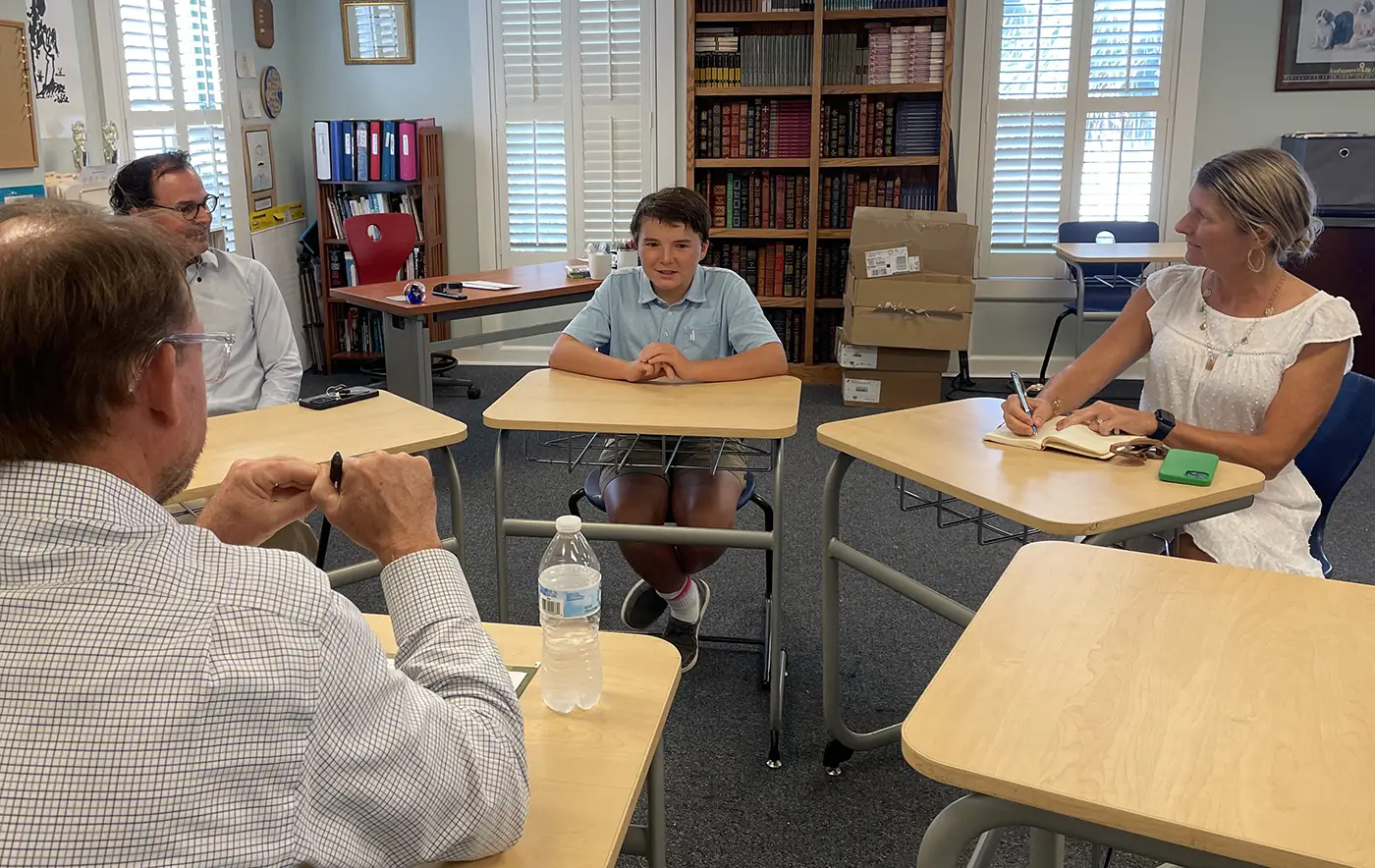
Many teens do best with a two-lane approach:
- Outside therapist for treatment, emotional processing, skills, and family dynamics.
- School counselor for school coordination: check-ins, schedule tweaks, teacher communication, and accommodations.
How coordination works
If both professionals are involved, you can ask your teen if they are comfortable with a release of information so the therapist and school counselor can coordinate. A release is written permission that limits who can talk to whom and what can be shared. In some places, parents sign. In others, teens have their own consent rights at certain ages. Either way, teens tend to do better when they are asked, not informed.
Questions to ask
If you are talking with a school counselor, an outside therapist, or both, these questions quickly reveal fit and scope.
Questions for a school counselor
- How often can my teen realistically meet with you?
- How do you handle confidentiality with students and with parents?
- What situations require you to involve administrators or parents?
- Can you help coordinate supports with teachers if my teen is struggling?
- Do you have referral lists for community therapists, psychiatrists, or groups?
Questions for an outside therapist
- What is your experience with teens and with this specific concern?
- How do you involve parents, and how do you handle teen privacy?
- How do you assess safety concerns like self-harm or suicidality?
- What therapy approaches do you use (for example CBT, DBT skills, ERP for OCD, trauma-focused work)?
- What does progress look like, and how will we know if therapy is working?
When to escalate
Even if you start with the school counselor, some signs mean it is time to move toward outside therapy or a higher level of care.
- Your teen’s mood or functioning is steadily declining over weeks, not days
- They stop doing things they used to enjoy, and it does not bounce back
- Sleep and appetite change significantly
- They begin isolating intensely or panicking regularly
- You find evidence of self-harm, substance use, or dangerous risk-taking
- They talk about not wanting to live, even “as a joke”
- School becomes impossible: refusal, shutdown, frequent nurse visits, or repeated absences
If you believe your teen is in immediate danger, contact your local emergency number. In the U.S., you can also call or text 988 for the Suicide and Crisis Lifeline, or go to the nearest emergency department.
What to say to your teen
Teens often hear “therapy” as “you are broken” or “you are in trouble,” even when we say it gently. I like language that frames support as skill-building and relief.
Try one of these openings
- “I can see you are carrying a lot. I do not want you carrying it alone.”
- “We can start with the school counselor, just to get support at school, and we can reassess.”
- “We can meet with a therapist a few times and see if it feels helpful. You get a say in the fit.”
- “This is not about fixing you. It is about giving you tools and a place to breathe.”
A gentle humor option, if it fits your relationship: “I have learned I cannot out-parent teenage stress with motivational speeches. So we are expanding the team.”
A simple decision tree
- If it is primarily affecting school and your teen is safe, start with the school counselor.
- If it is affecting life beyond school in a persistent way, consider an outside therapist.
- If there is any safety concern, seek immediate professional help and do not rely on school support alone.
- If you are unsure, start with the school counselor for triage and referrals, and pursue outside therapy in parallel if needed.
FAQ
If you are still feeling stuck, these are the questions I hear most often from parents.
Will the school counselor tell me what my teen says?
Often, school counselors keep conversations private unless there is a safety concern or a policy-based reason to share information. Practices vary by state and district, so ask directly how confidentiality and records work at your school.
Is a school counselor the same as a therapist?
Not exactly. School counselors are trained to support students’ academic and social-emotional needs within the school setting. Outside therapists provide clinical treatment, typically with more time, privacy, and specialization.
Can my teen see the school counselor and a therapist at the same time?
Yes. This is common and can work beautifully when each person stays in their lane: therapy for treatment, school counseling for school-based support and coordination.
What if my teen refuses outside therapy?
Starting with the school counselor can be a lower-barrier first step. Sometimes, teens accept help more readily when it feels familiar and accessible. You can also offer choices: a few trial sessions, telehealth vs. in-person, or selecting between two therapists you have pre-screened.