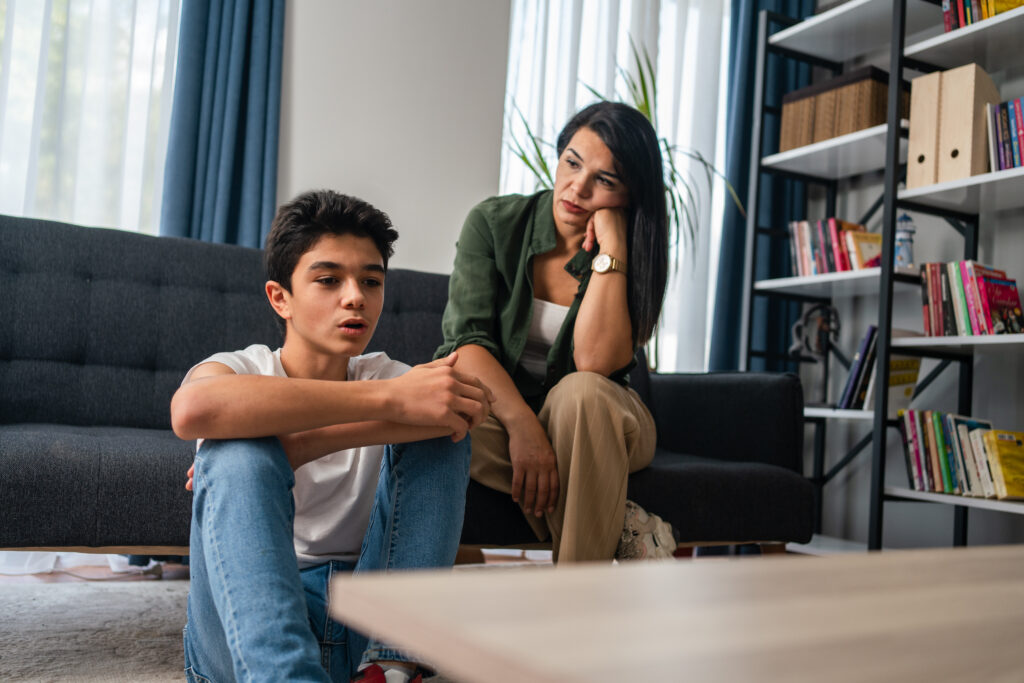
Most kids do not walk in the door and announce, “I’m being bullied.” They hint. They dodge. They suddenly “forget” their lunch, insist you drive them, or melt down over something that used to roll off their back.
If your gut is telling you something is off, you are not being dramatic. You are being attentive. Let’s talk about the most common warning signs and what to do next in a way that protects your child, preserves evidence, and brings the school in as allies whenever possible.

What bullying can look like
Many experts define bullying as repeated behavior that causes harm, involves a real or perceived power imbalance, and leaves one child consistently on the losing end. That harm can be physical, verbal, social, or digital. Many children experience more than one type at the same time.
- Physical bullying: hitting, tripping, pushing, damaging belongings.
- Verbal bullying: name-calling, threats, humiliating comments, racist or homophobic slurs.
- Social or relational bullying: exclusion, rumors, manipulating friendships, public embarrassment.
- Cyberbullying: texts, group chats, social media posts, photo sharing, gaming chat, anonymous accounts.
One important note: conflict between peers is not the same as bullying. Conflict is typically equal power, occasional, and both kids can be hurt. Bullying is targeted, repeated, and one child is consistently on the losing end. Also, school and district definitions can vary, so it can help to ask for your school’s written policy when you reach out.
When parents describe what’s happening calmly and specifically, using the school’s own language and examples, it can make it easier for staff to respond quickly and consistently.
Behavior changes to watch
Kids often communicate distress through behavior, not words. Watch for patterns and shifts from your child’s baseline.
A sudden need to avoid school
- New complaints of stomachaches or headaches on school mornings
- Frequent requests to stay home, visit the nurse, or leave early
- Begging you to drive them, change routes, or avoid certain areas of campus
Changes in eating and sleep
- Difficulty falling asleep, nightmares, or wanting to sleep with lights on
- Appetite changes, especially skipping lunch or coming home unusually hungry
- Bedwetting or regression in younger kids
Protective or secretive behaviors
- Guarding their phone, abruptly closing screens, deleting messages
- Suddenly quitting activities they used to enjoy
- Not wanting to talk about friends or refusing to name who they sit with at lunch
Out-of-character anger
- More irritability, snapping at siblings, or frequent arguments at home
- New rule-breaking, detentions, or “acting out” that seems unlike them
Sometimes the child being bullied looks “fine” at home because they are holding it together all day and collapse where it is safe. Other times, the stress leaks out everywhere. Both are common.
Mood signs to take seriously
Bullying can affect self-worth quickly. Pay attention to emotional cues, especially if they last more than a couple of weeks, or if they are intense at any time.
- Withdrawal: spending more time alone, less laughter, fewer conversations.
- Low self-esteem: “Nobody likes me,” “I’m annoying,” “I can’t do anything right.”
- Anxiety symptoms: panic, racing heart, crying before school, fear of being left alone.
- Depressive symptoms: numbness, hopelessness, loss of interest, persistent sadness.
- Shame or self-blame: “It’s my fault,” “I should just ignore it,” “I deserved it.”
If your child talks about not wanting to live, self-harm, or feeling like they cannot go on, treat it as urgent. Contact your pediatrician, a mental health professional, or emergency services right away. In the U.S., you can call or text 988 for the Suicide and Crisis Lifeline.

School clues parents miss
Sometimes the clearest signs show up in backpacks, grades, and logistics.
Injuries or missing items
- Bruises, scratches, torn clothing, damaged glasses
- Lost school supplies, missing lunch money, broken electronics
- Frequent requests for replacement items without a clear explanation
Academic changes
- Drop in grades, incomplete homework, “I forgot” becoming frequent
- Difficulty concentrating, school avoidance, or complaints about certain classes
- Teacher notes about disengagement, sleepiness, or frequent bathroom breaks
Social shifts at school
- No longer invited to birthday parties or group hangouts
- Sitting alone at lunch, sudden friend group change, fewer texts from peers
- Fear about riding the bus, using the bathroom, or walking to certain areas
A subtle but common clue: your child insists school is “fine,” yet their body tells a different story every weekday morning.
How to talk to your child
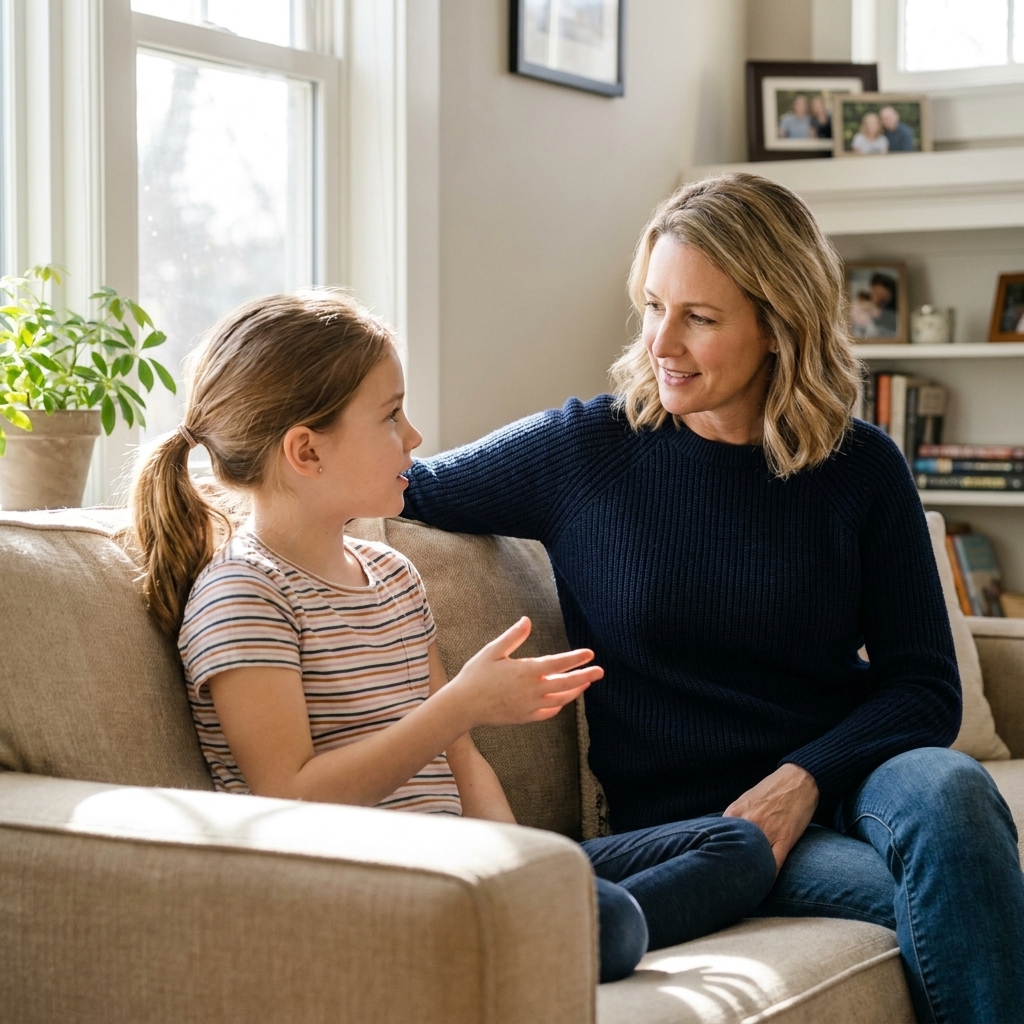
When kids finally crack the door open, our job is to keep it open. That is hard, because our protective instincts want to sprint straight to action. Start with connection first.
Pick the right moment
Side-by-side conversations often feel safer than face-to-face. Try a drive, a walk, or doing dishes together. Eye contact can come later.
Use questions that help
- “Who do you feel good around at school lately?”
- “Who makes school feel harder?”
- “Where does it usually happen: hallway, lunch, bus, group chat?”
- “If this were happening to a friend, what would you want them to do?”
Validate first
Try: “I’m really glad you told me. You did not cause this. We are going to figure it out together.”
Avoid: “Why didn’t you tell someone?” or “Just ignore them.” Even if you mean well, kids often hear these as “You handled it wrong.”
Decide next steps together
Some kids want immediate adult intervention. Others are terrified of retaliation. You can say, “I won’t surprise you. We will decide the next steps together, and we will keep you safe.”
One small piece of gentle humor can help: “My job is to be calm and smart, not to storm the school like an action movie.” Kids often laugh, and the body relaxes enough to keep talking.
What to document
Documentation is not about being “that parent.” It is about making sure adults respond to facts rather than vague impressions. It also reduces the emotional load on your child because they do not have to retell everything from scratch each time.
Keep an incident log
- Date and time
- Location (bus, cafeteria, specific classroom, online platform)
- What happened in your child’s words
- Names of students involved and any witnesses
- How the school responded (if they reported it)
- Impact (injury, missed class, anxiety, refusing school)
Save evidence
- Screenshot texts, DMs, group chats, posts, and comments
- Photograph damaged items or visible injuries
- Back up files somewhere your child cannot accidentally delete them
Also document your communications with the school: dates of emails, calls, meetings, who attended, and what was decided.
Tip: If the bullying is happening on a school-issued device or platform, note that specifically. Schools often have clearer authority to intervene there, and in many places they may also be able to respond to off-campus behavior if it substantially disrupts school or student safety.
Working with the school
Most schools want to help, but they are balancing many moving parts and they may not know what is happening when it happens. Your goal is to be clear, collaborative, and persistent.
Start close to the setting
Often that is the classroom teacher, school counselor, or bus supervisor. For repeated incidents, loop in the principal or assistant principal quickly.
Send a clear message
In writing is best. Here is a template you can adapt:
Hello [Name], I’m reaching out because my child, [Child’s First Name], has reported repeated incidents that match our school’s definition of bullying (or harassment). The incidents occurred on [dates] in [locations]. The impact has included [specific effects]. I’m attaching a brief log and any relevant screenshots. Could we meet this week to create a plan to ensure my child’s safety and document next steps? Thank you.
Ask for a safety plan
- Increased adult supervision in problem areas
- Seat changes or schedule adjustments
- A safe person your child can go to, and a discreet signal to use
- Safe routes between classes and to the bus
- Guidance counselor check-ins for a set time period
Set follow-up
End meetings with: “What will change tomorrow, and when will we check in again?” Ask who will update you, how often, and through what channel.
Know what they can share
In the U.S., schools generally cannot tell you the discipline given to another child due to student privacy rules. They can and should tell you what steps are being taken to protect your child and stop the behavior.

Skills that help kids cope
Adults should address bullying. Still, kids feel steadier when they have a few tools in their pocket.
Practice short phrases
Not speeches. Not comebacks that escalate. Think simple and firm:
- “Stop. Don’t talk to me like that.”
- “No.”
- “I’m not doing this.”
- “Back off.”
Role-play at home. Make it a little silly. Teens will pretend to hate it, then quietly use it.
Teach exit plans
- Move toward adults or groups of peers
- Use a buddy system when possible
- Ask to go to a safe adult (counselor, office, coach) if overwhelmed
Cyberbullying basics
- Do not respond in the moment. Screenshot first.
- Block and report, with your child involved in the process.
- Check privacy settings together, including who can comment or add them to groups.
- If threats are involved, escalate to the school and potentially law enforcement.
If your child is worried about being seen as a “snitch,” you can reframe it as safety: “You are not tattling. You are reporting harm.”
What not to do
When you are scared for your kid, it is easy to lunge at the fastest option. These usually backfire.
- Do not confront the other child directly. Go through the school so there is documentation and supervision.
- Do not take it to social media. It can escalate quickly and complicate the school’s ability to respond.
- Do not coach your child to secretly record audio. Recording laws vary by location. If you want to record meetings, ask permission and follow local rules.
- Do not promise total secrecy. Instead say, “I will involve as few adults as possible, and only the ones who need to help keep you safe.”
When to escalate
Escalation does not mean hostility. It means the situation is serious enough to require higher-level action.
Escalate quickly if
- There are threats of violence, hate-based harassment, sexual harassment, or extortion
- Your child is being physically harmed or cornered
- The bullying includes coerced photos, image sharing, or stalking behaviors
- Your child is avoiding school, showing signs of depression, panic, or talking about self-harm
- The school has been informed and the behavior continues
Who to contact next
- Principal or assistant principal
- District administrator (student services, superintendent’s office)
- School board process (if needed)
- Your child’s pediatrician or therapist for documentation and support
If you live in the U.S., you can also ask the school for their written anti-bullying policy and complaint procedure. Following their process can matter, especially if the issue becomes prolonged.
When to get medical help
Some situations are more than “school stuff.” Get medical care promptly if you suspect a concussion (head injury, vomiting, dizziness), strangulation, sexual assault, injuries that need documentation, or panic symptoms that feel unmanageable. If there are threats involving weapons or immediate danger, call emergency services.
Bias-based bullying
If the bullying is tied to race, disability, religion, national origin, sex, or LGBTQ+ identity, it can be more than a discipline issue. It may also be a civil rights issue. In the U.S., you can ask the school for their nondiscrimination policy and grievance process (often connected to Title VI, Title IX, and Section 504), and request that harassment be documented and addressed through that lens when appropriate.
Supporting your child at home
Stopping bullying is the first job. Rebuilding safety is the second, and it takes time.
Regulate first
After a hard day, your child may need food, a shower, movement, a show, or quiet before they can talk. You are not avoiding the issue. You are helping their body settle so their brain can think clearly again.
Rebuild belonging
- Lean into activities where they feel capable, whether it’s art, sports, robotics, music, church youth group, or a part-time job for older teens
- Arrange low-pressure time with one safe friend
- Celebrate small wins like “You went to school today” or “You told me the truth”
Consider professional support
A few sessions with a therapist can help with anxiety, self-esteem, and coping skills, especially if the bullying has lasted months or involved humiliation. Therapy is not an admission of weakness. It is an investment in recovery.
FAQ
Should I tell my child to fight back?
I understand the impulse. But “fight back” can increase risk and can also lead to your child being disciplined, even if they were targeted first. A better plan is: teach firm boundary phrases, practice exiting toward safety, and insist the school provides adult supervision and consequences.
What if my child denies anything is wrong?
Stay curious without interrogating. You can say, “I’m noticing you’ve been asking to stay home and you seem tense on Sundays. I’m not mad. I just want to understand.” Offer multiple ways to communicate: talking, writing a note, texting you, or speaking to a counselor.
What if the school says, “Kids will be kids”?
Bring it back to impact and repetition. “This has happened multiple times, and it is affecting my child’s ability to learn and feel safe.” Ask for their policy and request a written plan with a follow-up date.
Is it better to switch schools?
Sometimes a fresh start is protective, especially when safety cannot be ensured. But switching can also feel like the bullied child is the one who has to disappear. If you are considering it, weigh: the severity, the school’s responsiveness, your child’s mental health, and whether there are supportive adults and peers who can anchor them where they are.
A final word
Bullying makes families feel powerless, and that is part of what makes it so brutal. But you have more leverage than you think: attentive listening, clear documentation, persistent follow-through, and the steady message to your child that they are not alone.
You do not have to solve everything in one day. Start with one conversation. Then one email. Then one plan. Momentum builds, and so does your child’s sense of safety.