

When you are looking for a therapist for an autistic teen, the goal is not to find someone who can make your child “act typical.” It is to find someone who understands autism, respects your teen’s sensory and stress responses, and can help them build skills for daily life without shame.
Below are questions you can use in a consult call or first appointment. Pick a handful that match what is hardest right now. You do not have to cover everything in one conversation.

A quick shortlist for the phone
If you only have 10 minutes, these questions usually tell you the most, the fastest.
What experience do you have working with autistic teens? What does that look like week to week?
How do you adapt therapy for different communication styles? For example, shutdowns, monotone speech, or limited eye contact.
How do you handle sensory needs in the office or on video?
How do parent updates work, and what will stay private between you and my teen?
What would therapy look like in the first month, especially if my teen is anxious or skeptical?
Questions that screen for autism experience
Plenty of therapists are kind, competent, and well-meaning, but still new to autism. These questions help you understand whether they have practical familiarity, not just a training certificate.
Ask about their caseload and comfort zone
How many autistic teens do you currently work with?
What kinds of concerns do you commonly support with autistic teens, like anxiety, depression, bullying, school refusal, friendship stress, or burnout?
What situations feel outside your scope and would lead you to refer out?
Ask how they understand autism day to day
How do you think about autistic burnout and chronic masking?
How do you tell the difference between oppositional behavior and a nervous system that is overwhelmed?
What does progress look like for you with autistic teens?
Listen for language that is respectful and specific. You want a clinician who can explain autism in plain terms without pathologizing your teen’s personality.
Questions about sensory needs
For many autistic teens, the office itself can make therapy harder than the conversation. Sensory stress can sometimes look like “refusing therapy,” when it is really “my body cannot do this room.”
Ask what the session space is like
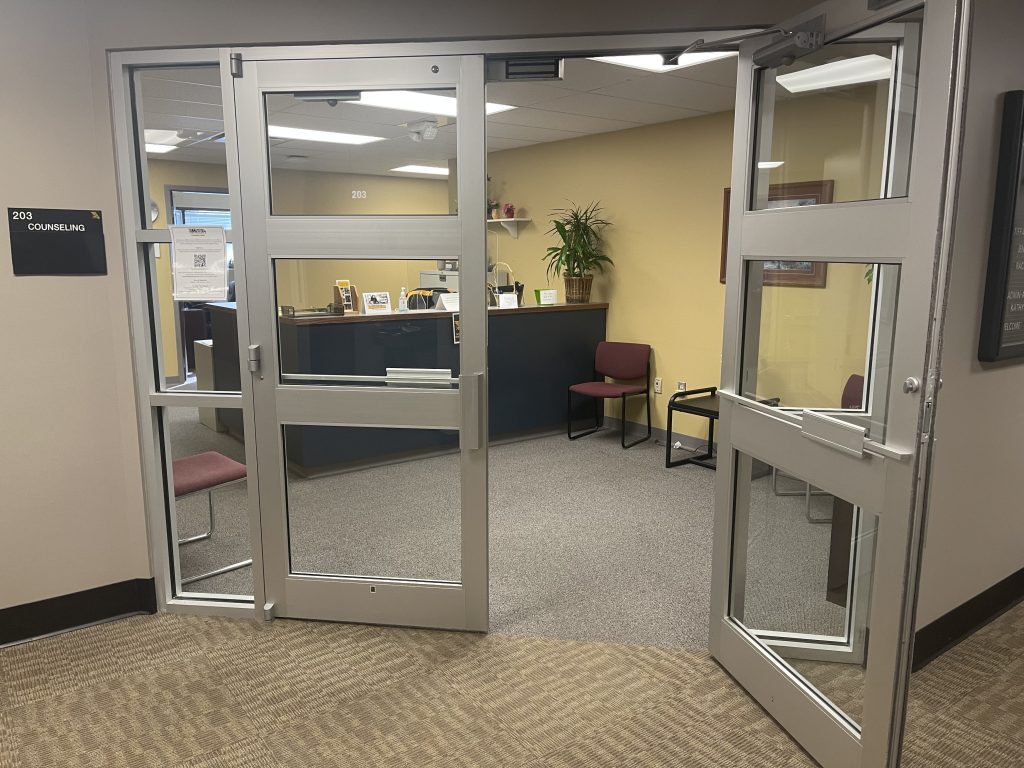
Can you describe your waiting room, including lighting, noise level, and how crowded it gets?
Are fluorescent lights avoidable? Can the lighting be dimmed?
How do you handle strong smells like air fresheners or scented candles?
Is there a quieter way to check in if phone calls are hard for my teen?
Ask about sensory supports during sessions
Is it okay to use fidgets, doodle, wear headphones, or keep a hood up while talking?
Is movement allowed, like pacing or standing?
If my teen becomes nonspeaking or loses speech, or shuts down, what do you do in that moment?
Questions about session structure
Some autistic teens do well with open-ended conversation. Others do better with predictable structure and concrete tools. Either is okay. The key is finding a therapist who can adapt.
Ask how they make therapy easier to enter
How do you start with a teen who does not want to talk?
Do you use visual aids, written prompts, or shared notes if speaking is hard?
Can my teen answer questions by typing in session, or use a notes app to communicate?
How do you handle long silences?
Ask how they tailor the pace
How do you decide when to push gently versus when to pause to avoid overwhelm?
What do you do if my teen gets stuck on one topic and that topic is not the reason we came?
How do you support interoception, noticing hunger, stress, or fatigue, if that is an issue for my teen?
It is not a red flag if a therapist says, “It depends.” It is a red flag if they cannot explain how they adapt to different communication needs.
Questions about privacy and parent updates
Parents need information to support a teen between sessions. Teens need privacy to risk being honest. Both can be true at the same time, and a good therapist can explain the plan clearly.
Ask how updates work in their practice
How often do you meet with parents, and for how long?
What kinds of information will you share with me, and what will you keep confidential?
How do you handle it if my teen does not want you to tell me anything?
Do you offer parent check-ins by phone or video without my teen present?
Ask how they handle safety concerns
What situations would require you to break confidentiality, and how would you tell my teen and me?
If you are worried about self-harm or suicidal thoughts, what is your process for assessing risk and involving parents?
For a deeper dive on confidentiality and what a therapist can share with parents, you can also read What Can a Therapist Share With Parents of a Teen?
Questions about school stress and burnout
Many autistic teens are holding it together at school and unraveling at home. Therapy can help, but only if the therapist understands how masking and sensory load stack up across a week.
How do you help teens who melt down at home after school but appear fine in class?
How do you address perfectionism, people pleasing, or chronic rule following that leads to burnout?
Do you coordinate with schools when appropriate, and what would you need from us to do that?
Have you supported teens through IEP or 504 meetings, or written letters for accommodations when clinically appropriate?
If you are wondering about school documentation, this may help: Therapist Letters for School Accommodations.
Questions about anxiety and depression
Autism can coexist with anxiety, depression, ADHD, trauma history, and sleep challenges. You do not need a therapist who can treat everything, but you do want someone who recognizes when more support is needed.
How do you assess anxiety or depression in autistic teens, especially when emotions show up as irritability or shutdown?
How do you work with alexithymia, trouble identifying feelings, without pressuring a teen to label emotions they cannot access yet?
If you think medication could help, how do you collaborate with a pediatrician or psychiatrist?
How do you adapt common approaches like CBT for autistic thinking styles?
Related reading on therapy approaches for teens: CBT vs. DBT for Teenagers and EMDR vs. CBT for a Teen.
Questions about goals and autonomy
A strong predictor of therapy engagement is whether your teen experiences it as something being done with them, not to them.
How do you involve the teen in setting goals, especially if the parent and teen want different things?
What choices can my teen control, like where to sit, whether to use video, or how sessions begin?
How do you handle special interests and incorporate them without making them feel childish?
How will we know if this is working, and what would make you adjust the plan?
If your teen is resisting, you might appreciate: How to Help a Teen Open Up Without Pressuring Them.
Logistics that matter
Fit is not only clinical. It is also practical. These questions help you avoid starting with someone who cannot realistically support your family’s needs.
Do you take our insurance, offer out-of-network superbills, or have a sliding scale?
What is your current availability? Are you running a waitlist?
Do you offer telehealth, and is it an equal option for ongoing care?
Can you adjust session length temporarily, like 30 to 40 minutes while my teen acclimates?
What support do you offer between sessions, if any, and what should we do in a crisis after hours?
Questions about training and scope
You are not looking for the “perfect” credential. You are looking for an appropriately trained clinician who stays in their lane and collaborates when needed.
What is your licensure and how do you describe your scope of practice with teens?
Are you comfortable working with AAC or teens who communicate partly through typing or devices?
When do you recommend additional evaluation or collaboration, like neuropsych testing, OT, or speech-language support?
Questions about identity and belonging
Many autistic teens are also navigating identity questions, gender, sexuality, race, culture, and faith. It can help to ask directly about fit.
What experience do you have supporting LGBTQ+ autistic teens?
How do you approach cultural differences in family expectations, communication, and mental health stigma?
If you are specifically seeking LGBTQ+ affirming support, you may also like: What to Ask When You Need an LGBTQ+ Affirming Therapist for Your Teen.
Red flags that mean keep looking
There are many different styles of therapy, and not every mismatch is a dealbreaker. But a few patterns tend to predict a tough road.
The therapist insists on eye contact, handshakes, or “normal” body language as a therapy goal.
They describe autism in shame-based terms, or talk about your teen as a problem to manage.
They dismiss sensory needs as “avoidance” without exploring accommodation.
They will not explain confidentiality clearly, or they promise to tell you “everything” your teen says.
They are rigid about the format, like “they must sit still and talk for 50 minutes,” even when your teen is struggling.
Set up the first appointment
Even with a great therapist, the first few sessions can feel awkward. A little preparation can lower the stress for everyone, including you.
Keep the first goal small
Instead of “open up,” try “show up.” For some teens, success is walking into the office, meeting the therapist, and leaving without feeling trapped.
Share a one-page summary (with your teen’s consent)
A short note can prevent your teen from having to explain everything from scratch. Include sensory triggers, communication preferences, and what helps during shutdowns.
Offer an exit plan
You can tell your teen, “We will try three sessions and then decide together what to do next.” Time-limited trials often feel safer than an open-ended commitment.
If you need help starting the conversation, you can adapt the scripts in How to Tell Your Teen They Need Therapy.
If your teen still hates therapy
This is more common than people admit. Autistic teens may dislike therapy because it is new, unpredictable, or socially demanding, even if the therapist is skilled.
Consider asking the therapist directly:
Can sessions be shorter for a few weeks while my teen acclimates?
Can we start with a clear agenda and end with a predictable wrap up?
Can my teen bring a comfort item or use a scripted check-in?
Can you tell me what you are noticing about what makes sessions hard for them?
If your teen feels worse after starting, this article can help you sort through what is normal adjustment and what is not: What to Do If Your Teen Feels Worse After Starting Therapy.
When to seek urgent support
If your teen is talking about suicide, self-harm, or you see sudden, serious changes like not sleeping for days, not eating, intense agitation, or they cannot stay safe, it is appropriate to seek urgent evaluation right away. You can contact your local emergency services or go to the nearest emergency department if you believe there is immediate danger.
For non-immediate but escalating concerns, you can also ask the therapist what crisis options exist in your area and what to do after hours.
Final questions before you decide
Before you commit, it can help to ask the question parents often skip because they feel awkward saying it out loud: “Do you like working with teens like mine?” It is not rude. It is protective.
What do you enjoy about working with autistic teens?
What would make you confident we are a good fit?
If this is not the right fit, how do you help families transition to someone else?
If you want a broader, non-autism-specific checklist for vetting teen therapists, see Questions to Ask a Teen Therapist Before You Book.