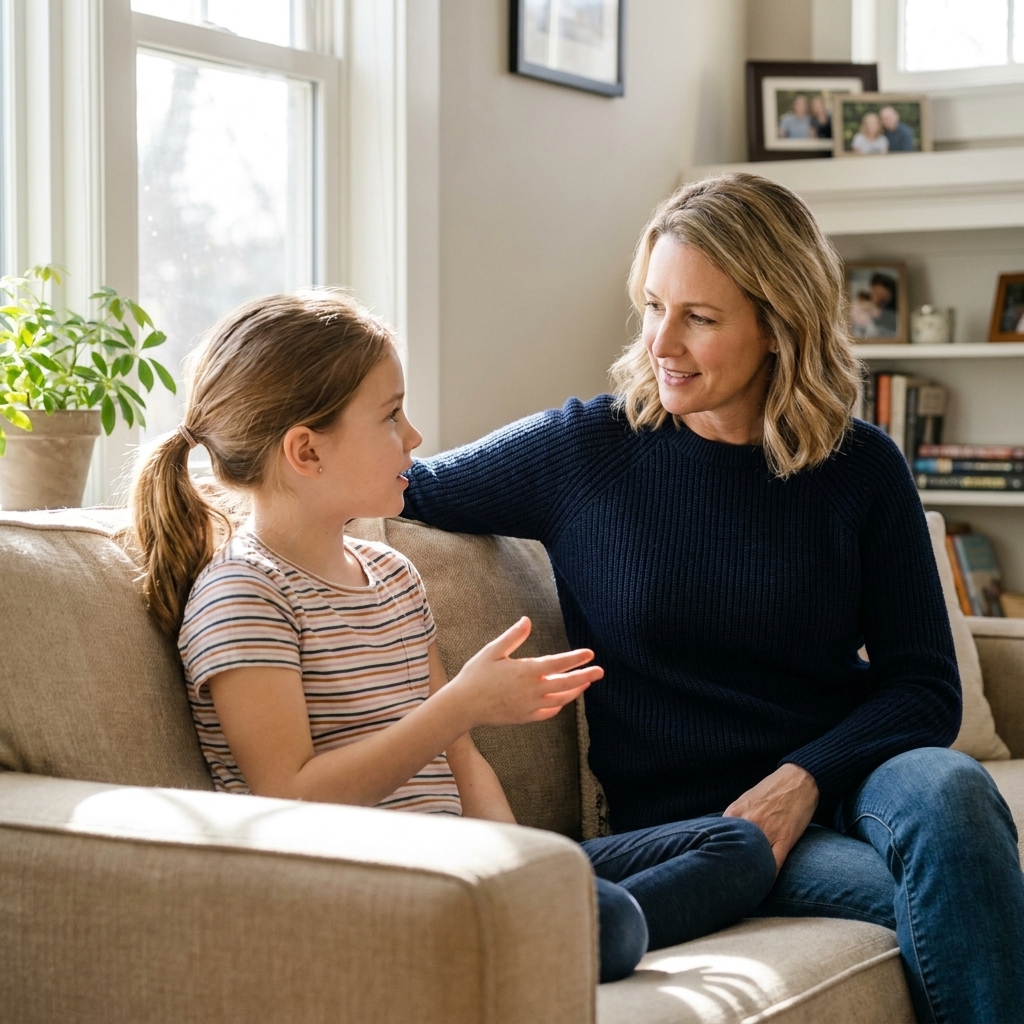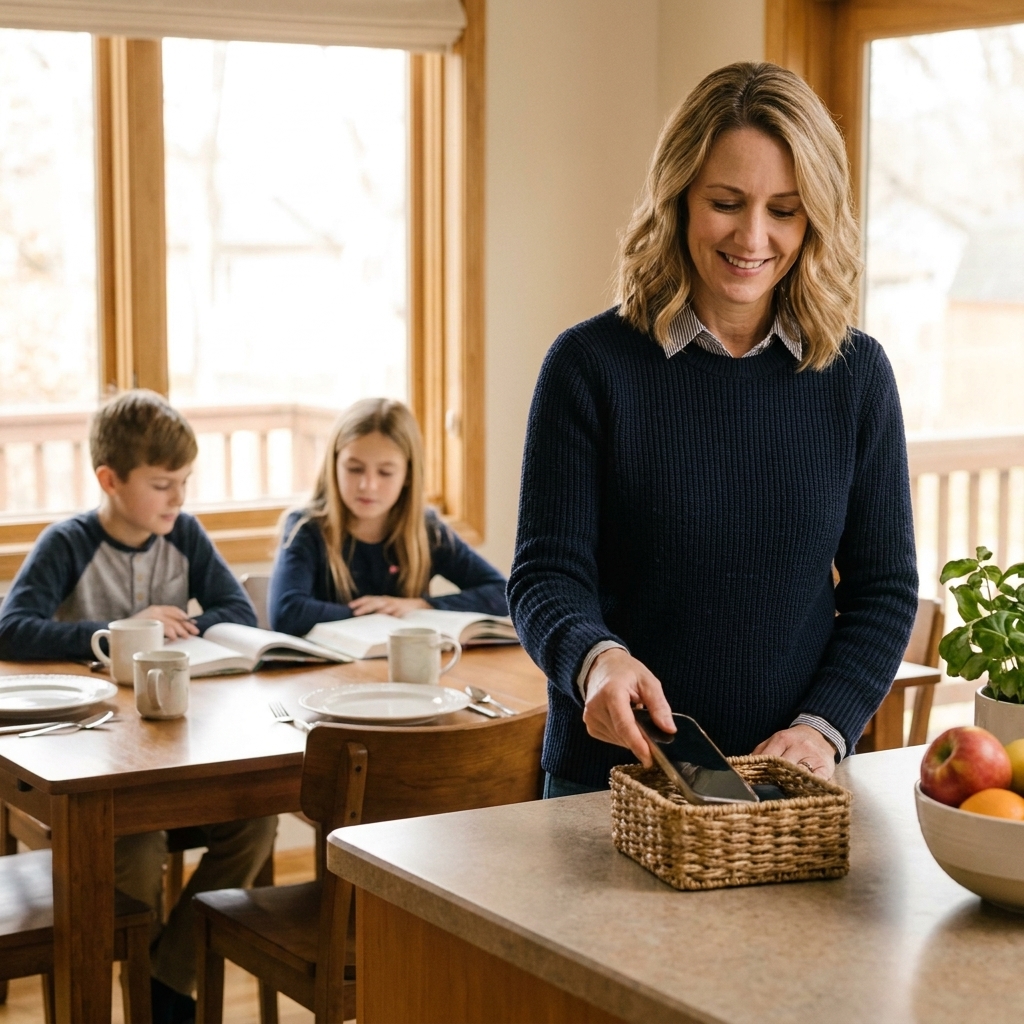
Sibling rivalry can feel like a full-time sound machine you did not ask for. One minute they are building a blanket fort together, and the next minute someone is accusing someone else of “looking at me in a rude way.”
Here is the part that can be oddly comforting: rivalry is not proof you are failing. In many families, it is a sign your kids are close enough (and invested enough) to bump into each other while they learn how to share space, attention, and power. It can also show up more when life is stressful, routines are off, or a child is struggling. Either way, your job is not to eliminate conflict. Your role is to shape it, so your home stays steady and your kids leave childhood with better relationship skills than you and your sibling learned in the backseat of a station wagon.
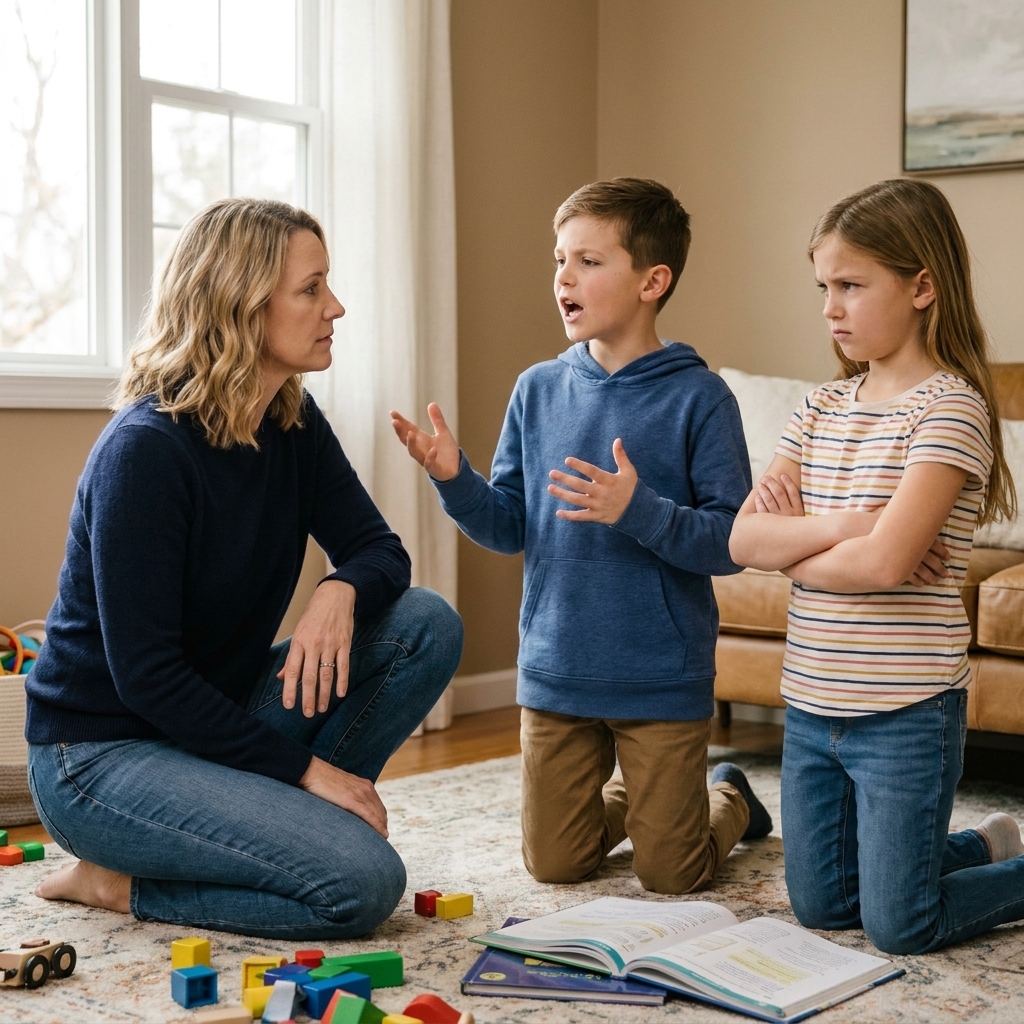
Below are seven effective, realistic ways to manage sibling rivalry and foster a more peaceful home, even if you have one child who escalates and another who keeps score like it is an Olympic sport.
1) Separate kids from the problem
When siblings fight, they tend to turn each other into “the enemy.” That is gasoline on the fire. A small language shift can cool things down fast: treat the conflict as the shared problem, not the sibling.
Try this in the moment
- Name the problem neutrally: “We have a problem with space on the couch,” instead of “Stop pushing your brother.”
- State your role: “My job is to keep bodies safe and help you solve this.”
- Give a quick boundary: “No hitting. No grabbing. You can be mad, but you cannot be mean.”
This sounds simple, but it changes the emotional math. When kids feel less blamed and less shamed, they get less defensive and more flexible.
2) Skip court, be a lifeguard
Most sibling fights begin with a request for a verdict: “Tell her she started it.” If you step into judge mode, you usually get two outcomes: a longer argument and two kids who are mad at you.
A better model is lifeguard mode. You intervene to prevent harm, then you coach skills.
What lifeguard mode looks like
- Pause the action: “Freeze. Take space.”
- Check safety first: separate bodies if needed.
- Coach one small step: “Use words. Tell him what you want.”
- Exit when stable: “I will be in the kitchen. Come get me if you need help with a fair solution.”
If there is a real pattern of one child consistently harming the other, that is different. In that case, you do more supervision and more direct teaching, and you keep brief notes on what happened and what seemed to set it off (time of day, hunger, screens , transitions). If it keeps happening, those notes can help you talk clearly with your pediatrician, school counselor, or a therapist.
3) Catch comparisons early
Sibling rivalry feeds on comparison like teenagers feed on snacks after school. Even well-meaning comments can create quiet competition, especially with sensitive kids.
Common comparison traps
- “Why can’t you be more like your sister?”
- “He never gives me this much trouble.”
- “You’re the smart one. You’re the athletic one.”
Labels seem positive, but they can lock kids into roles. The “easy” child feels pressure to stay easy. The “difficult” child feels doomed. And both learn that love comes with rankings.
Better swaps
- Describe effort, not identity: “You stuck with that puzzle even when it was frustrating.”
- Keep feedback private: praise one child away from the other when it might trigger jealousy.
- Celebrate differences without hierarchy: “Your brain is great at building. His brain is great at stories.”
4) Protect one-on-one time
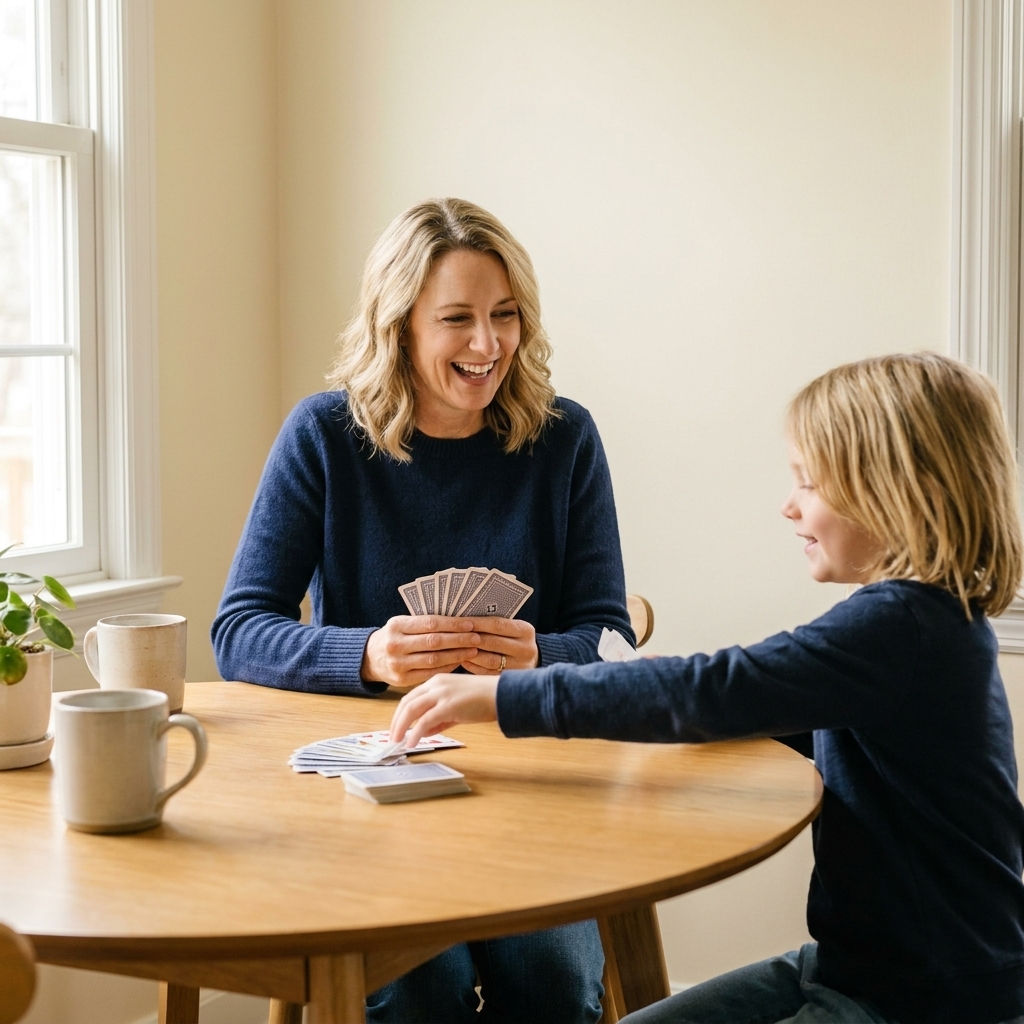
If I could “prescribe” one high-impact lever for sibling rivalry in many families, it would be steady, predictable one-on-one time. It does not have to be elaborate. It has to be reliable.
Rivalry often spikes when kids are competing for your attention, your softness, your laughter, your eyes. A child who feels full of connection is less likely to fight for scraps. If your family is dealing with frequent aggression, neurodivergence, trauma, or major stress, one-on-one time still helps, but you may also need additional supports.
Make it doable
- Keep it short: 10 to 15 minutes can be enough.
- Make it named: “Mom and Maya time,” “Dad and Leo walk,” or “Caregiver and Kai time.”
- Let the child lead: within reason. The point is attunement, not productivity.
- Protect it from siblings: “This is Maya’s time. Your time is after dinner.”
5) Teach a script, then rehearse
As a general rule, kids tend not to rise to the level of our expectations in the moment. They fall to the level of their practiced skills. If you want less screaming, you need a script they can reach for when they are flooded.
Also, your nervous system leads the room. If you can keep your voice low and your body steady (even when you are not feeling it), you make it easier for your kids to borrow your calm until they can find their own.
A simple sibling conflict script
- Step 1: Say what you feel: “I feel mad.”
- Step 2: Say what you want: “I want a turn.”
- Step 3: Offer two options: “You can set a timer or we can trade.”
- Step 4: If stuck, ask for help: “We need a grown-up.”
Do not introduce this in the heat of battle. Teach it when everyone is calm, then role-play it like you are practicing fire drills. Yes, it can feel cheesy. So does yelling, though, and no one is handing out awards for most dramatic sibling feud.
Quick age note: For toddlers and preschoolers, keep it even simpler: “Stop. My turn. Help.” For teens, the same structure works, just with less scripting and more problem-solving autonomy.
6) Add structure to prevent blowups
Some sibling fights are about emotions. Others are about logistics. The good news is that logistics are easier to fix.
Common rivalry triggers are transitions, hunger, screens, and ownership. If fights reliably happen at the same time or around the same object, you are not dealing with a mystery. You are dealing with a pattern.
Structures that reduce friction
- Timers for turns: especially for games, devices, and “the good chair.”
- Clear household rules: “We do not go in each other’s rooms without permission.”
- Two yeses for sharing: if the owner says no, the answer is no. This prevents forced sharing resentment. (Adjust this for shared household items and your family values, but keep the rule clear.)
- Snack before screens: you will be amazed how many “he breathed near me” fights are actually hunger. (And yes, sometimes screens help a child regulate. You can still pair screens with a snack or a quick reset first.)
- Transition warnings: “Five more minutes, then we switch.”
Mini-examples
- Sharing: “It is your toy. You can say yes or no. If you say no, we find something else to do. If you say yes, we set a timer.”
- Privacy: “Closed door means knock. If you barge in, you lose room access for now and we practice again.”
- Screens: “One device, two kids. Timer for turns. If the timer causes a fight, the device takes a break and we try again later.”
Structure is not strictness for its own sake. It is a way of lowering daily stress so your kids have less to fight against.
7) Repair after the fight
Most parents focus on stopping the conflict. Fewer of us focus on what happens after, which is where relationship growth lives.
Repair teaches kids that conflict is survivable and that love does not require pretending nothing happened. This is the stuff that helps siblings become adults who can sit at the same holiday table without reliving fourth grade.
A repair ritual that works
- Cool down first: no repair while flooded.
- Each child answers: “What happened?” and “What do you wish had happened?”
- One responsibility statement: “My part was…” (not “My part was you were annoying.”)
- One do-over: replay the moment with better words.
- One reconnection: a quick game, a snack together, or a shared task.
If apologies are forced, they often become meaningless. I prefer: “What can you do to make this right?” Sometimes that is an apology. Sometimes it is returning the item, fixing what was broken, or giving space.
When to worry
Most sibling rivalry is developmentally normal. But some dynamics need more support.
Consider extra help if you notice
- Repeated physical aggression that does not improve with close supervision and consistent safety limits
- One child consistently fearful of the other
- Targeted cruelty, humiliation, or persistent name-calling
- A big power imbalance that leaves one child feeling trapped
- Any disclosure of sexualized behavior or coercion, which requires immediate professional guidance
If your gut is telling you this is more than typical bickering, trust that instinct. Loop in your pediatrician, a school counselor, or a licensed family therapist. You do not have to wait until it becomes a crisis.
Quick FAQ
Is sibling rivalry my fault?
No. Your responses matter, but rivalry is also about temperament, age gaps, developmental stages, stress levels, and the simple reality that kids share the same parents. Your goal is not perfection. Your goal is consistency, fairness, and teaching skills.
Should I treat my kids exactly the same?
Fair is not always equal. Equal is “two scoops each.” Fair is “what each child needs.” You can be fair while still honoring differences in age, sensitivity, and circumstances.
What do I do when one child always escalates?
Step in earlier, keep closer supervision, and teach replacement skills proactively. Also check basics like sleep, hunger, and overstimulation. If escalation is frequent, intense, or paired with impulsivity in other settings, consider an evaluation for underlying factors like anxiety, ADHD, or learning differences.
Does it get better as they grow?
Often, yes. Many siblings fight less once language and self-control grow. But the patterns you reinforce now matter. Teaching repair, boundaries, and problem-solving sets them up for a closer relationship later, even if they are currently acting like sworn enemies over a charger.
A closing thought
If your home feels loud and sharp lately, you are not alone. Sibling rivalry can be relentless, especially when you are carrying the rest of life too.
Pick one strategy from this list and practice it for two weeks. Not seven. One. Peace is usually built the same way sibling conflict is built: through repetition. The difference is, you are steering.