
High-conflict divorce has a way of turning normal parenting logistics into emotional landmines. A five-minute schedule question becomes a 45-minute text war. A forgotten sweatshirt becomes “proof” of bad intentions. And somehow the kids can feel the weather shift before you even hit send.
The goal here is not to become best friends with your ex or pretend the past did not happen. The goal is something more realistic and powerful: reduce opportunities for conflict, make communication boring, and build routines that keep your children out of the middle.
I often tell parents: you do not need great communication to co-parent well. You need reliable systems. Systems can hold you up on the days your nervous system is doing backflips.
Quick note: This article is general education, not legal or medical advice. Custody orders and decision-making rules vary by jurisdiction, and safety needs always come first. If you feel unsafe or controlled, skip the “better communication” approach and talk to a local attorney or domestic violence advocate about a safety plan.

What changes after high-conflict divorce
In a lower-conflict separation, co-parents can improvise. They can swap weekends, make exceptions, and assume goodwill. In high-conflict co-parenting, improvising is often the spark.
High-conflict dynamics typically include at least one of these patterns:
- Repeated re-litigation: every logistical issue turns into a trial about the past.
- “Gotcha” communication: messages are written to corner, shame, or provoke.
- All-or-nothing thinking: one mistake is treated as a total failure.
- Kids as messengers: children carry information, guilt, or blame between homes.
- Schedule friction: frequent last-minute changes and disputes about fairness.
The antidote is not “try harder to be civil.” The antidote is structure.
Parallel parenting
If co-parenting feels like constant arguing, you may do better with a model many families use successfully called parallel parenting. It is not cold or uncaring. It is simply lower contact, clearer boundaries, and fewer decisions made together.
What it looks like
- Each parent runs their own household without commentary from the other.
- Communication is limited to child-related essentials.
- Schedules are predictable and changes are rare.
- Disputes follow a set process, not a free-for-all.
What it is not
- It is not refusing to share important information.
- It is not using the kids as shields.
- It is not “winning” by withholding.
Think of it like guardrails on a winding road. Guardrails do not solve the weather. They keep you from flying off the cliff.
Routines that reduce conflict
Routines are the quiet heroes of high-conflict co-parenting. They reduce the number of negotiations required, and fewer negotiations means fewer arguments.
1) Make the schedule automatic
If you can, use a stable, repeating schedule rather than constant “case-by-case” decisions. Predictability helps your kids, and it helps your stress level.
- Set pickup and drop-off times that rarely change.
- Use one exchange location unless safety requires otherwise.
- Build a default plan for teacher workdays and minor holidays so you are not renegotiating every month.
2) Use a handoff checklist
A checklist sounds almost silly until you are arguing about soccer cleats for the tenth time.
- Backpack, homework folder, device and charger
- Sports gear and uniforms
- Medication and a quick written update if needed
- Comfort items for younger kids
Keep it short. The goal is fewer loose ends, not perfection.
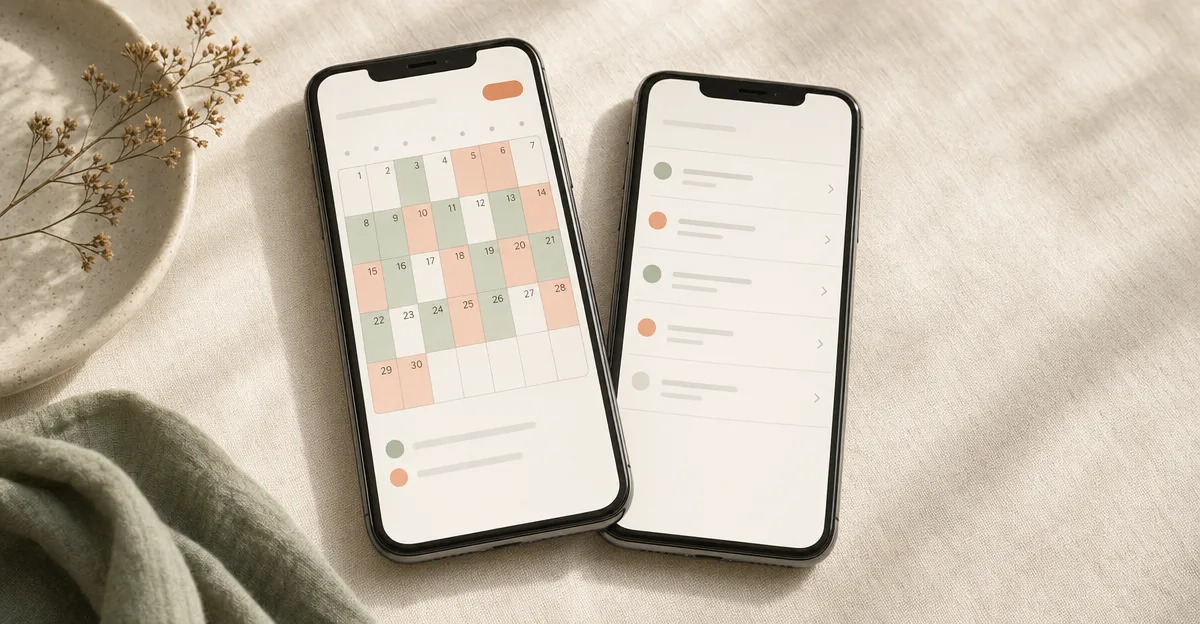
3) Use one shared calendar
When both homes follow the same calendar, the calendar becomes the authority, not either parent.
If direct coordination is too volatile, a parenting app or court-ordered platform (in some jurisdictions and cases) can reduce he-said-she-said. Choose one tool, use it consistently, and avoid “also texting” unless there is an emergency.
Communication rules
You cannot control what your ex writes. You can control what you participate in. The trick is to stop treating messages like conversations and start treating them like records of logistics.
BIFF: brief, informative, friendly, firm
This approach is commonly taught for high-conflict communication, including by Bill Eddy and the High Conflict Institute, because it gives conflict very little oxygen.
- Brief: no backstory, no defending, no essays.
- Informative: stick to the child-related fact.
- Friendly: neutral tone, not sarcastic.
- Firm: clear endpoint, no debate invitation.
Set message hours
Unless it is urgent, you are allowed to respond at a reasonable time. Many parents do well with a response window like “within 24 hours.” You can even state it plainly:
I check messages once in the morning and once in the evening. If something is urgent (health or same-day schedule), please label it URGENT.
One topic per message
When a message contains five grievances and three schedule questions, it becomes a trap. Keep messages to one subject so they are easier to answer cleanly.
Do not argue about tone
This is hard, because tone matters. But tone arguments become endless. Instead of “Stop being rude,” aim for:
I’m responding to the schedule question: pickup is 5:30 on Friday at school.
Neutral does not mean weak. It means strategic.
Dispute process
You do not need a perfect relationship to have a workable process. You just need something both homes can follow, and something you can point back to when things start spinning.
A simple 4-step template
- Put it in writing in your agreed platform with one clear question or proposal.
- Offer two options that both work for the child. “Option A or Option B.” Avoid open-ended debate.
- Wait a set window (for example, 24 hours for non-urgent issues). No repeated pings.
- Escalate only if needed: mediator, parenting coordinator (where available and recognized by local courts), then legal advice if there is repeated noncompliance or a safety issue.
If you already have a court order, follow the order. If you are unsure what it requires, ask your attorney before improvising.
Scripts to copy and paste
When you are activated, it is harder to write a calm message. Scripts help you stay out of the emotional weeds.
When they pull you into a fight
I’m going to keep this focused on the kids. For this week, the plan stays as written in the schedule.
When you need yes or no
Can you confirm by 6 pm today whether you will take Lily to the orthodontist at 3:00 on Wednesday? If I don’t hear back, I will plan to take her.
When they change plans last minute
I’m not available to switch today. We can revisit future swaps with at least 72 hours notice.
When they accuse you
I hear your concern. My understanding is: exchange is Sunday at 4:00 at the library parking lot. I’ll be there.
When you need to end the thread
We are not going to resolve this by text. Please put any schedule concerns in the app and I will respond there.
If you want a rule of thumb: if your draft message contains the words “always” or “never,” it is probably not going to help.
Keep kids out of it
Children do not need perfect co-parents. They need adults who do not recruit them into adult problems.
Keep adult topics off kid channels
- No sending messages through kids.
- No asking kids to report on the other home.
- No venting to kids about the divorce, the lawyer, or the new partner.
If your child offers information, you can respond with warmth without taking the bait:
Thanks for telling me. You do not have to keep track of that. The adults will handle it.
Create a small bridge of rules
You will not run identical homes, and you do not have to. But children benefit from a few shared expectations, especially around:
- Homework completion and where it gets done
- Bedtime range for school nights
- Device rules during homework and overnight
- How to handle missed assignments and school emails
If agreement is impossible, choose consistency inside your home and avoid criticizing the other home to the children. You can say:
Different houses have different rules. At our house, we do it this way.
Age matters
The same principles apply across ages, but the pressure points change. Younger kids need smoother transitions and fewer explanations. Teens need clear expectations about phones, rides, and direct communication, plus a plan for what happens if they get pulled into adult conflict by text.

Plan for flashpoints
High-conflict co-parenting often gets loud in the same places. Planning ahead makes those moments less combustible.
Holidays and breaks
- Decide holiday schedules months in advance when possible.
- Put exact start and end times in writing.
- Clarify travel details like flight times, addresses, and who holds passports.
Medical decisions
When communication is poor, medical issues can turn into power struggles. Create a shared approach for routine care:
- Which pediatrician, dentist, therapist, specialists
- Who schedules and who attends
- How updates are shared after appointments
For emergencies, agree on a simple rule: notify the other parent as soon as the child is stable and you have verified information.
School communication
Whenever possible, both parents should be set up to receive school emails and access portals directly. That removes a major source of conflict and also keeps kids from becoming the messenger.
Safety comes first
Some “high-conflict” situations are actually about coercive control, intimidation, or abuse. If you feel unsafe at exchanges, during calls, or when you enforce boundaries, treat that as a safety issue, not a communication issue.
- Talk to an attorney or advocate about options like supervised exchanges or safer public exchange locations.
- Do not meet alone if you are worried about escalation.
- Use written channels when possible and keep messages factual.
- If there is immediate danger, contact local emergency services.
You and your kids deserve stability and safety. Structure supports that, but structure is not a substitute for protection.
More structure when needed
Sometimes the healthiest move is admitting you cannot “better communication” your way out of a dynamic that is consistently hostile.
Use a coordinator or mediator
Some families benefit from a neutral professional who helps resolve recurring disputes, clarify gray areas, and keep things moving without repeated court involvement. Parenting coordinators are not available everywhere and may require court involvement, but where they exist they can reduce ongoing friction.
Consider formal tools
In some cases and jurisdictions, a judge may order communication through a specific platform. Even without a court order, using one consistent channel can reduce chaos and create a clearer record of agreements.
Document, do not debate
If you are dealing with repeated conflict, keep a simple log for yourself:
- Date, issue, what was agreed
- What actually happened
- Any child impact (missed school, missed medication, etc.)
This is not about building a case in your head every night. It is about protecting your sanity and having accurate information if you ever need professional support.
Protect your nervous system
High-conflict co-parenting is exhausting because it keeps you on alert. If you feel like you are always braced for impact, that is not you being dramatic. That is your body doing its job.
Use a cooling-off rule
If a message spikes your heart rate, wait. Read it once, set a timer, and come back later. If you can, draft your response in notes and re-read it with one question in mind: Does this help my child’s life run more smoothly?
Decide boundaries in advance
Boundaries are easier to keep when you decide them while calm. For example:
- I do not respond to insults.
- I respond once per issue, not endlessly.
- I do not negotiate in front of the kids.
- I do not agree to last-minute changes unless it genuinely works for our child and for me.
Get support that is not your child
A therapist, support group, trusted friend, or faith community can be a place to put the grief and anger that should not land on your kids. If you are co-parenting with someone who is volatile or controlling, specialized support can be life-changing.
FAQ
What if my ex refuses to follow the schedule?
Start with what you can control: keep your communication brief, keep records, and avoid emotional back-and-forth. If the pattern affects your child’s wellbeing or violates a court order, speak with your attorney or a local family law resource about next steps. Repeated noncompliance usually requires more structure, not more arguing.
What if every message turns into a fight?
Limit communication to essentials, use one platform, and respond only to the actionable part of a message. You can ignore bait and still answer the kid-related question. If needed, propose a rule like one message per week for non-urgent items plus urgent-only contact outside that.
Is parallel parenting “bad”?
No. For many families, parallel parenting is the healthiest bridge between conflict and stability. Your children benefit more from peace and predictability than from parents forcing teamwork that repeatedly explodes.
How do I handle it when the kids come home upset about the other house?
Start by validating feelings, not facts. “That sounds really hard” goes further than “Your dad is impossible.” If there is a safety issue, take it seriously and get appropriate help. If it is about preferences and rules, focus on coping skills and stability in your home.
When should I worry about emotional harm to the kids?
If you notice persistent anxiety, sleep issues, sudden school decline, stomachaches, withdrawal, aggression, or your child taking on adult responsibility, it may be time to consult a pediatrician or a licensed child therapist. Trust your gut if something feels off.
A final word
If you are in the thick of high-conflict co-parenting, you are not failing because it feels hard. It is hard. The win is not getting your ex to understand you. The win is building a system that protects your child’s childhood and gives you fewer opportunities to spiral.
Make it boring. Make it predictable. Make it harder to fight. Then take a breath and go be a parent, not a referee.