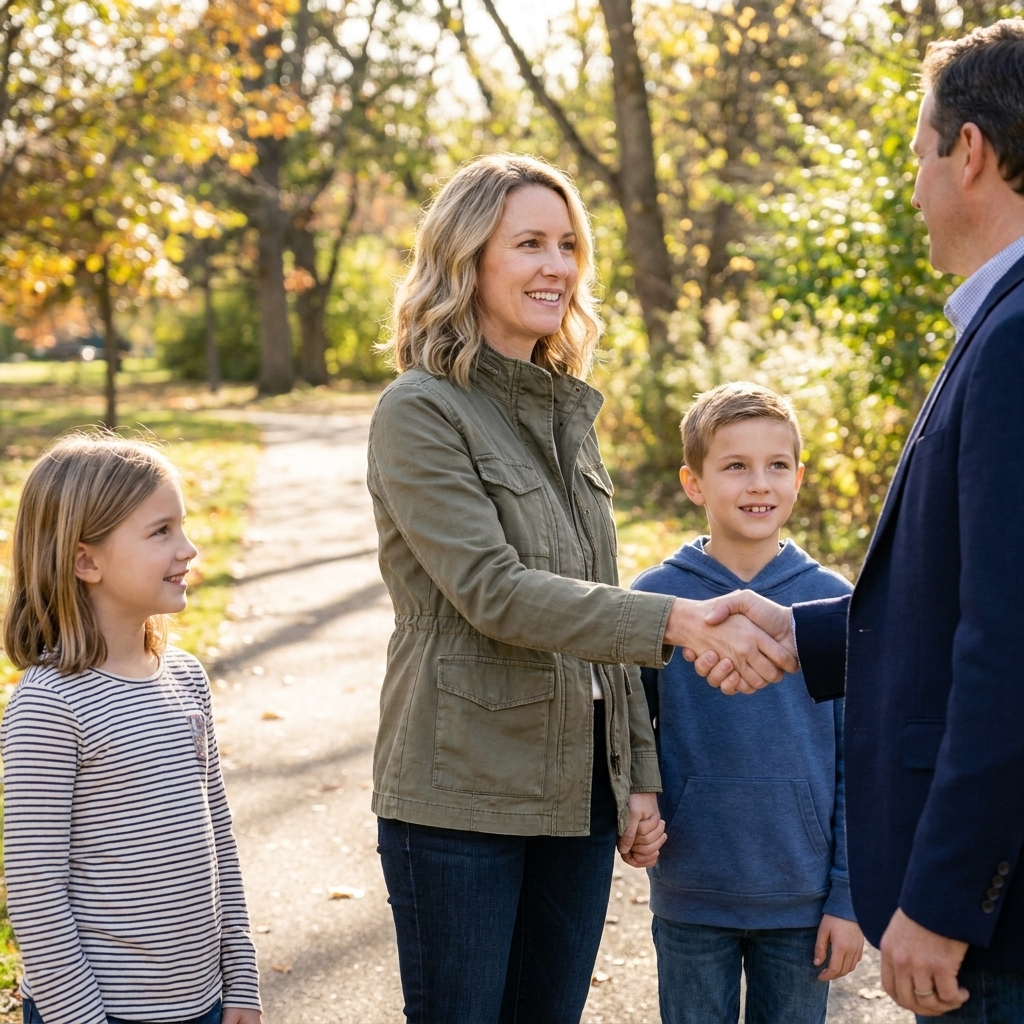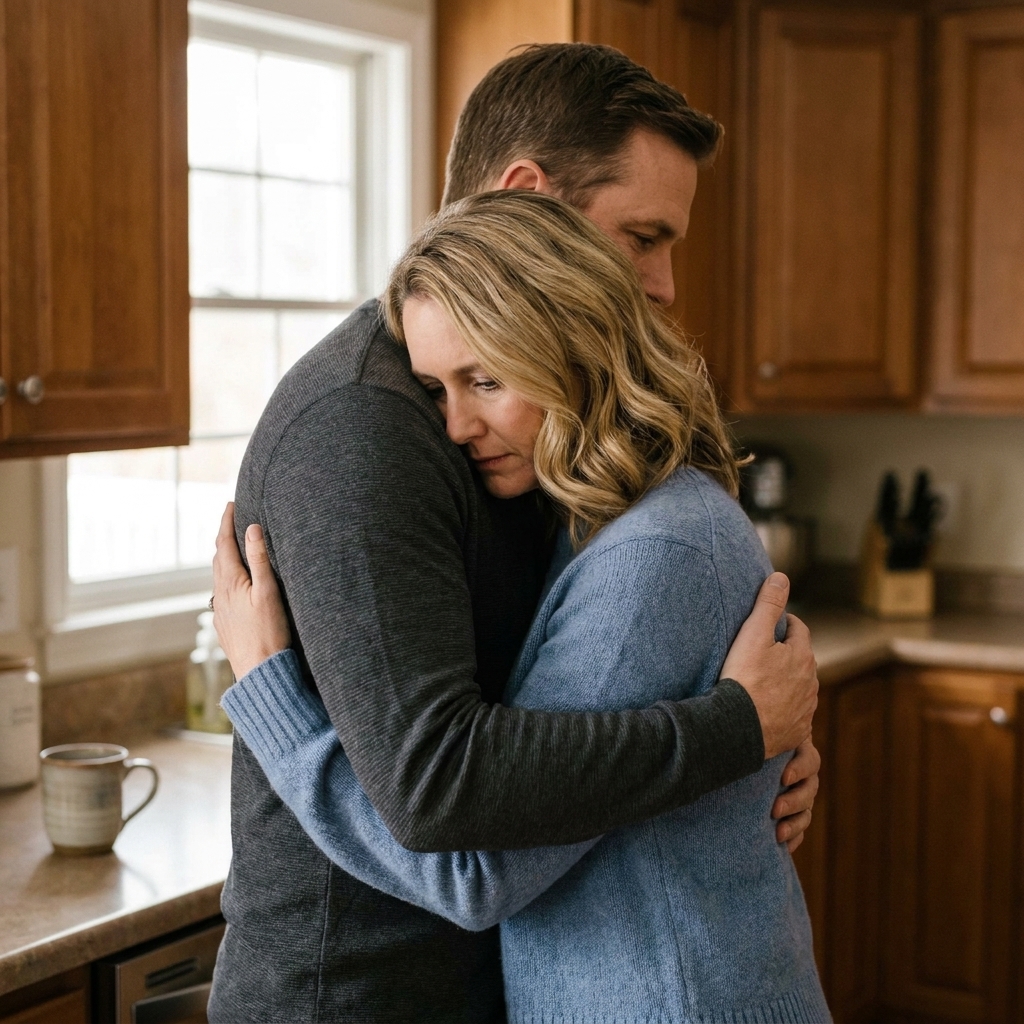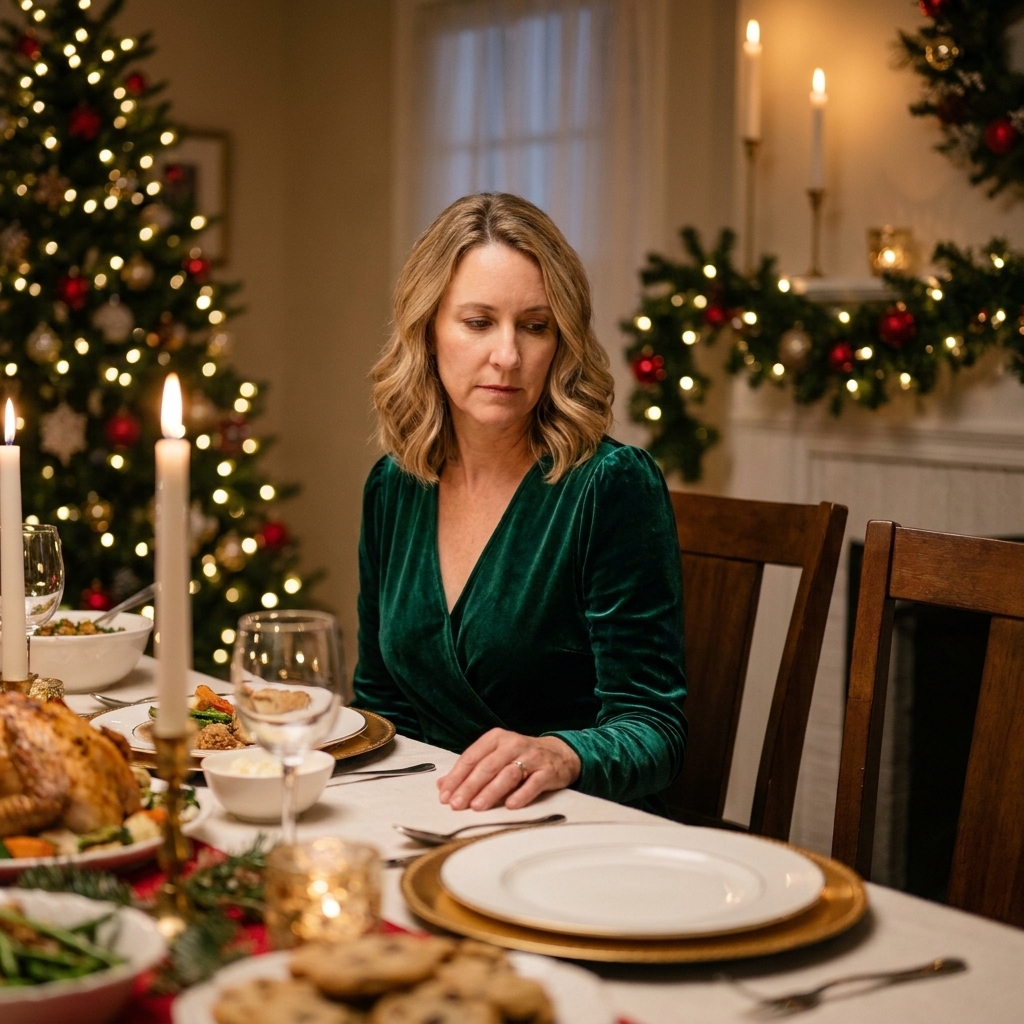
Dating a widower can feel like stepping into a room where a conversation has been going on for years. You are welcome there, but you can also sense the meaning in the air. The photos on the wall. The traditions. The stories that start with, “When we used to…”
If you are dating someone who lost a spouse, you do not need to erase their past to make room for your future. The goal is something gentler and more sustainable: integration. A relationship where grief has space, love has space, and you are not asked to live in the shadow of a person you never met.
From my work with families and my own experience with caregiving and loss, I can tell you this: people who have loved deeply and lost deeply can love again. It goes best when both partners treat the situation with patience, clarity, and a little humility.

Reality check: you are not dating “a grief story”
Your partner is a whole person, not a tragedy with a calendar of anniversaries. And you are not auditioning to be “the replacement.” This might sound obvious, but in my experience it is one of the most common invisible pressures people carry into these relationships.
What helps is naming the real dynamic: you are dating someone who has ongoing attachment to a person who died. That attachment may include love, anger, guilt, relief, longing, or all of the above. It does not automatically threaten you. It becomes a problem when it replaces present-day connection or becomes a reason to avoid commitment.
You can respect their past without shrinking yourself in the present.
What grief can look like (and what it is not)
Movies love the tidy arc: heartbreak, time passes, new love arrives, the end. Real grief is more like a weather system. It shifts. It revisits. It can be quiet for months, then show up loudly on a random Tuesday because a song came on in the car.
Common grief moments you might see
- Anniversary spikes (death date, birthday, wedding anniversary, holidays)
- “Grief waves” triggered by a smell, a place, a milestone
- Guilt about moving forward, especially if the death was sudden or recent
- Protectiveness of memories, objects, rituals, and relationships with in-laws
What grief is not
- A free pass for emotional unavailability
- A reason you must accept chronic comparison
- A permanent veto on future planning
If grief is being used, consciously or not, to avoid closeness, you are allowed to notice that and talk about it.
Green flags: signs they are ready
“Ready” does not mean “done grieving.” It means they can make room for you emotionally and practically.
- They can talk about their late spouse with a mix of emotion and steadiness, not only crisis-level intensity or total shutdown.
- They take responsibility for their healing (therapy, support group, trusted friends, spiritual care, healthy routines).
- They show consistent availability and follow-through.
- They can hold two truths at once: “I still love them” and “I want a future with you.”
- They include you in their life gradually and respectfully, instead of keeping you in a hidden compartment.

Red flags: when grief is a third partner
Some situations are simply too early or too complicated for a healthy relationship. Here are patterns that warrant a serious conversation, and sometimes stepping back.
- They idealize their late spouse as perfect and treat real-life partnership as disappointing by comparison.
- They avoid conversations about the future and keep you in a “temporary” holding pattern.
- You are expected to be a grief counselor rather than a partner.
- They swing between intense closeness and sudden withdrawal whenever the relationship deepens.
- There is ongoing secrecy about finances, living arrangements, family dynamics, or the nature of your relationship.
A gentle but firm truth: compassion does not require you to accept a relationship that cannot meet your basic needs.
How to talk about the late spouse
Many people try to be “the cool partner” who never asks questions. Others ask too many, too soon, because uncertainty is uncomfortable. The sweet spot is curiosity with consent.
Try these conversation starters
- “Would it feel okay to tell me what they were like?”
- “What helps you most on the hard days?”
- “Are there times of year that are especially tender for you?”
- “What does support look like from me when grief shows up?”
- “How do you want me to fit into your family traditions?”
Avoid these common traps
- Interrogation energy: “So… how exactly did it happen?” (unless they invite it)
- Comparison bait: “Did you love them more than me?”
- Forced positivity: “They would want you to be happy, so stop being sad.”
If you are feeling insecure, say that directly. Insecurity is human. The goal is to share it without making them prove your worth every time grief appears.
Boundaries that protect the relationship
Boundaries get a bad reputation because people imagine ultimatums. In healthy relationships, boundaries are simply the instructions for how to love each other well.
Helpful boundaries to consider
- Emotional labor: “I want to support you, and I also need you to have other support besides me.”
- Availability: “If we are building something, I need regular time together we both protect.”
- Communication: “If you are having a grief wave, I would rather you tell me than disappear.”
- Comparison: “I can listen to stories, but I cannot be measured against someone else.”
Boundaries can be warm. They can sound like an invitation: “Here is what helps me stay close to you.”
Photos, keepsakes, and the home
This is where grief becomes literal: closets, jewelry boxes, wedding albums, a favorite chair that no one sits in. Many couples get stuck here because they treat it like a vote: keep everything or erase everything.
Instead, aim for a third option: curate with care.
If you are not living together
- Assume their home will reflect their history.
- Notice what you feel without demanding immediate change.
- Ask for what you need emotionally, not what you need to control visually.
If you are moving in or blending households
- Discuss spaces: What feels shared? What feels private?
- Decide together what stays visible day to day and what is stored.
- Create new rituals that belong to the two of you (a Sunday breakfast, a holiday walk, a new photo on the wall).
A home can honor a past love and still make room for a present one. The goal is not to pretend the first chapter did not happen. It is to stop living like the book is over.

When kids are involved
Dating a widower with children adds extra layers. Kids are not only grieving a parent. They are often protective of the surviving parent, and sometimes wary of anyone who might change the family shape again.
Guidelines that often help
- Let the parent lead introductions. Kids need to trust that their parent is making safe, thoughtful choices.
- Start as a friendly adult, not a new authority figure.
- Do not compete with the deceased parent. There is no contest. There is only love in different forms.
- Expect mixed reactions. Warm one day, cold the next can be part of the adjustment.
- Protect the kids from oversharing. Your relationship is not their job to process.
If you find yourself thinking, “They would like me if they understood me,” breathe. Kids do not need to understand you quickly. They need consistency and time.
The in-laws question
Some widowers remain deeply connected to their late spouse’s parents or siblings. Especially when there are children, those ties can be important and stabilizing.
What matters is whether those relationships:
- support your partner’s life now (healthy connection)
- or keep them emotionally parked in the past (stuckness)
You can be respectful without being absorbed into a family system that does not have a place for you. A useful sentence is: “I want to honor those relationships. I also want to understand where I fit.”
Intimacy after loss
Physical intimacy can bring up unexpected emotions for both partners. For the widower, it may stir guilt or grief. For you, it may stir worry about being compared, or fear that you are stepping into sacred territory.
What tends to help
- Talk about pacing before either of you feels cornered.
- Normalize emotions. Tears do not always mean regret. They can also mean release, tenderness, or simply being overwhelmed.
- Create consent-based check-ins: “Do you want to keep going?” “Do you want to pause?”
- Separate grief from rejection, while still naming your needs.
If intimacy repeatedly collapses into distress and avoidance, it may be time for grief counseling or couples therapy. Not because anyone is broken. Because this is complicated, and support can help.
Money, legal, and life logistics
Dating after loss is not only emotional. It can also come with real-world complexity: life insurance, estate matters, beneficiaries, debts, retirement accounts, custody arrangements, and financial support for children.
You do not need to turn early dating into a spreadsheet, but you do need a baseline of transparency as the relationship gets serious. If you are talking about moving in, blending families, or marriage, consider asking (and offering) clarity on:
- Financial obligations (child-related expenses, debt, ongoing support to family)
- Estate plans (beneficiaries, wills, guardianship plans for kids)
- What “we” means practically (shared bills, shared home, shared decision-making)
Healthy partners do not hide the ball. They move toward clarity, even when it is uncomfortable.
Building a shared future
At some point, the relationship has to turn toward “us.” Not in a performative way, and not as a demand to move on, but as a real commitment to building something living.
Small ways to practice “we”
- Plan a trip that is not connected to their past life.
- Choose a tradition that is yours together.
- Talk about values: parenting, finances, faith, caregiving, retirement, family roles.
- Name the milestones you want to reach and roughly when (meeting friends, meeting kids, moving in, engagement, etc.).
When you can dream together, you stop feeling like a guest in someone else’s story.
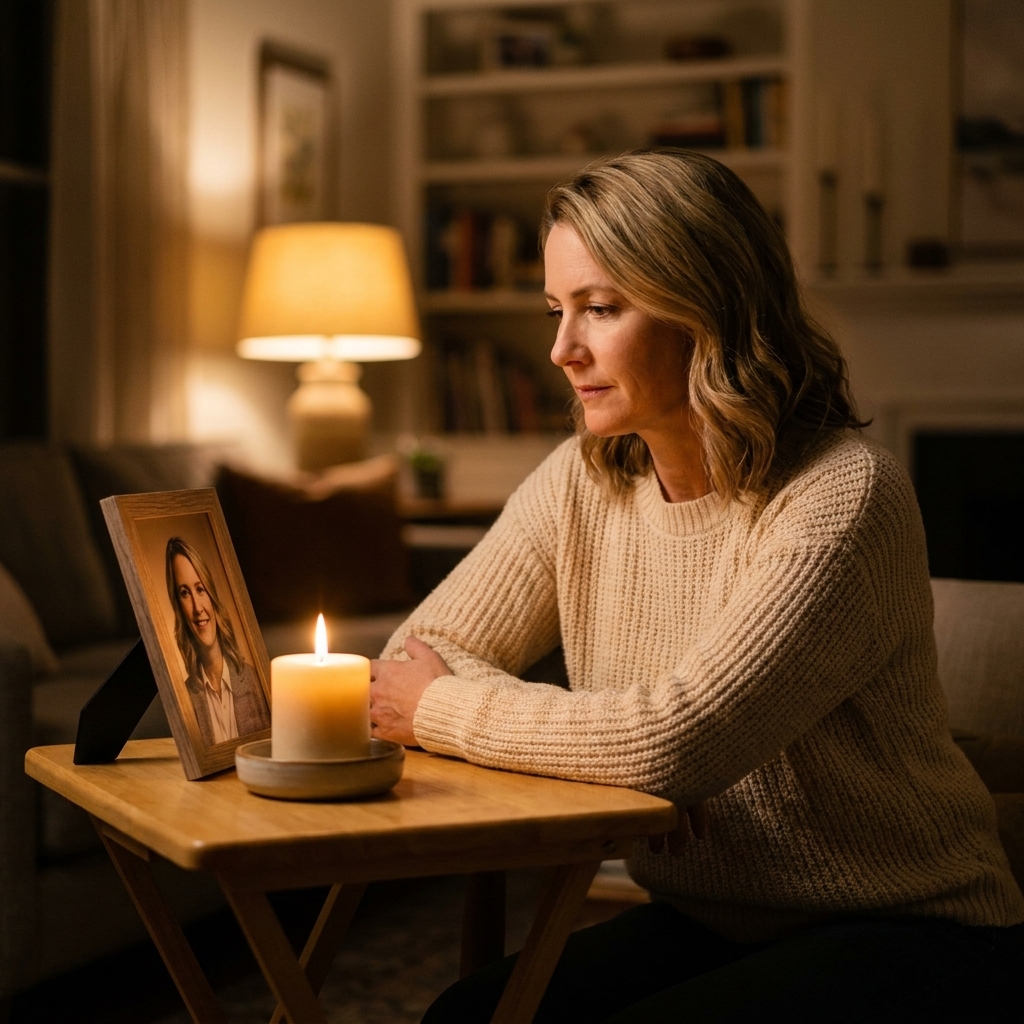
Hard days (anniversaries and random Tuesdays)
There is no perfect script, but there are reliable supports.
If your partner is grieving
- Ask directly: “Do you want company, distraction, or space?”
- Offer specifics: “I can bring dinner,” “Want a walk,” “Want me to sit with you?”
- Try not to take it personally if they are quieter or less available.
If you are hurting too
- Name it kindly: “I know today is hard, and I also notice I feel a little lonely.”
- Make a plan for connection, even if it is brief.
- Lean on your support system. A partner cannot be your only place to land.
You can hold space for grief and still ask for reassurance. Those needs are not enemies.
When to get professional help
Some grief is heavy but normal. Some grief gets complicated, and it is wise to reach for support sooner rather than later. Consider professional help (for them, for you, or together) if you notice:
- Persistent depression, panic, or numbness that is not easing over time
- Substance misuse or escalating risky behavior
- Inability to function at work, at home, or in parenting for an extended period
- Suicidal thoughts or self-harm
- Chronic relationship shutdown (stonewalling, disappearing, refusing any future planning)
If you or your partner are in immediate danger or thinking about self-harm, contact local emergency services right away. If you are in the United States, you can call or text 988 for the Suicide and Crisis Lifeline.
FAQ
If you are looking for quick clarity, these are some of the most common questions that come up when dating after loss.
Should I feel jealous of a deceased spouse?
Jealousy can show up because your brain is trying to create safety through comparison. It does not make you petty. Treat it like a signal, not a verdict. Ask: “What am I needing right now? Reassurance, clarity, more time together, a clearer future plan?” Then request that need directly.
How long should someone wait before dating?
There is no universally “right” timeline. Readiness is less about months and more about capacity: can they show up consistently, talk about the loss without being consumed by it, and make room for a new bond? Some people feel ready within months to a year. Others take longer. Bereavement trajectories vary widely, and rushing is not the same as healing.
Is it normal if they keep their wedding ring?
Yes. Some widowers keep wearing it for a while, some wear it on a chain, some put it away. Rather than making it a moral issue, make it a conversation about meaning: “What does the ring represent for you now?” Then share what it brings up for you.
What if they talk about their late spouse all the time?
Early on, frequent mention can be normal, especially if the death was recent. Over time, if every topic loops back to the past and there is little curiosity about you, that is worth addressing. You can say: “I want to know that part of your life, and I also want us to build our own.”
How do I know if I am being asked to replace someone?
Replacement energy often sounds like, “My spouse used to…” followed by a request you replicate, or an expectation you fit into a pre-made role without your own preferences. A healthy partner will want to learn you, not assign you a part to play.
If you are the widower reading this
If you lost a spouse and you are dating again, you deserve tenderness too. Your new partner is not trying to steal your memories. They are trying to find their place. One of the most loving things you can do is bring them into the truth of your life without making them carry the full weight of your grief.
Practice saying this out loud: “I can love who I lost and love who is here.”
Closing thoughts
Dating a widower asks for a particular kind of courage. Not the dramatic kind. The quiet kind. The kind that shows up as patience, honest conversations, and the willingness to be real when things feel tender.
This guidance applies whether your partner is a widower or a widow, and whether you are in a straight relationship or a queer one. Loss changes people. Love does, too.
You are not competing with a ghost. You are building a relationship with a living person who has been changed by love and loss. With empathy, boundaries, and open communication, it is absolutely possible to create something that honors what came before and still feels fully yours.