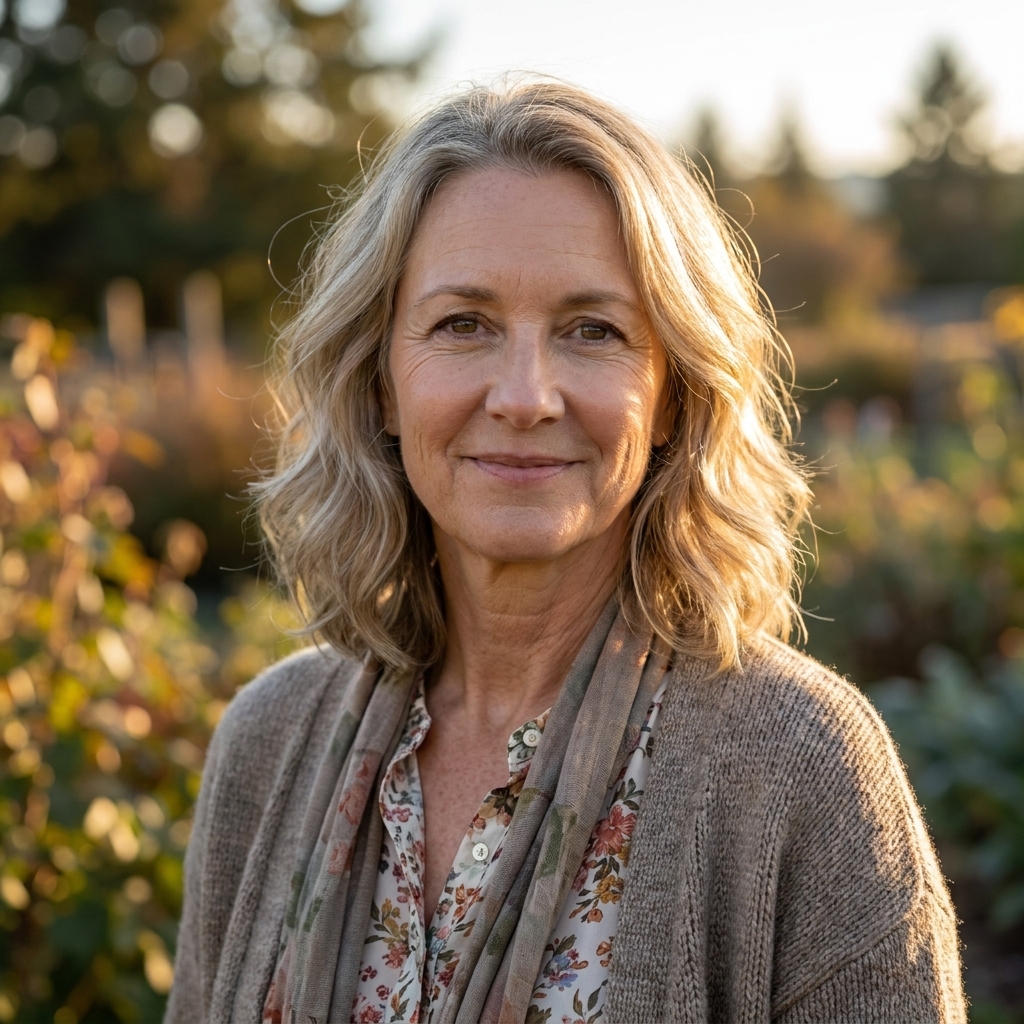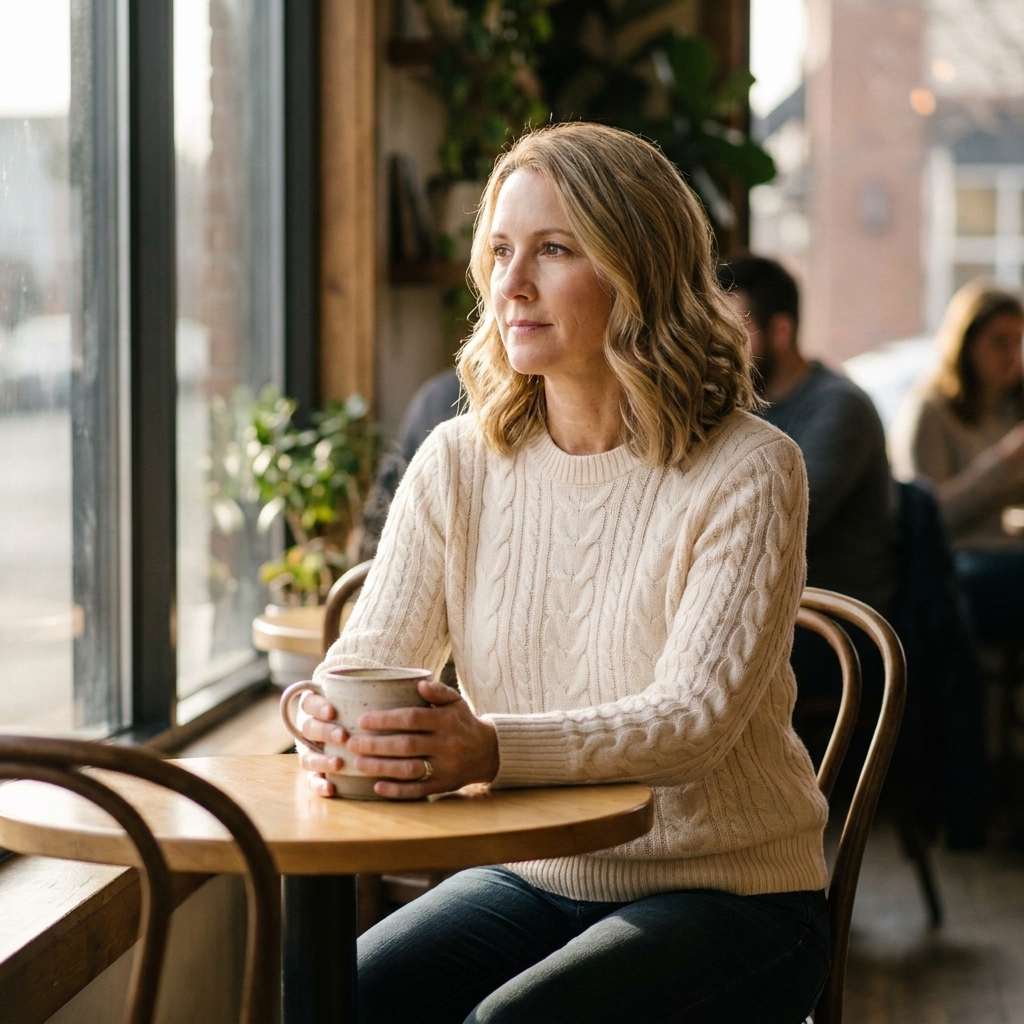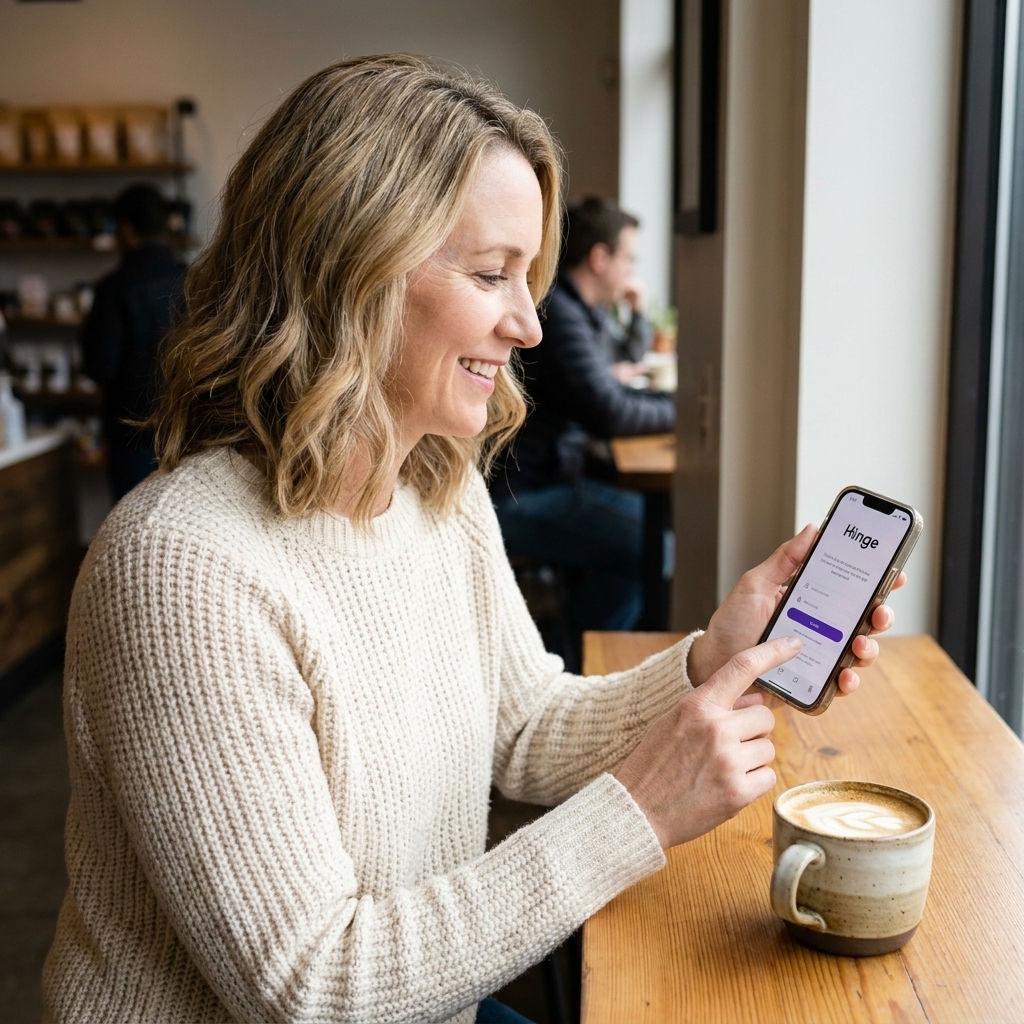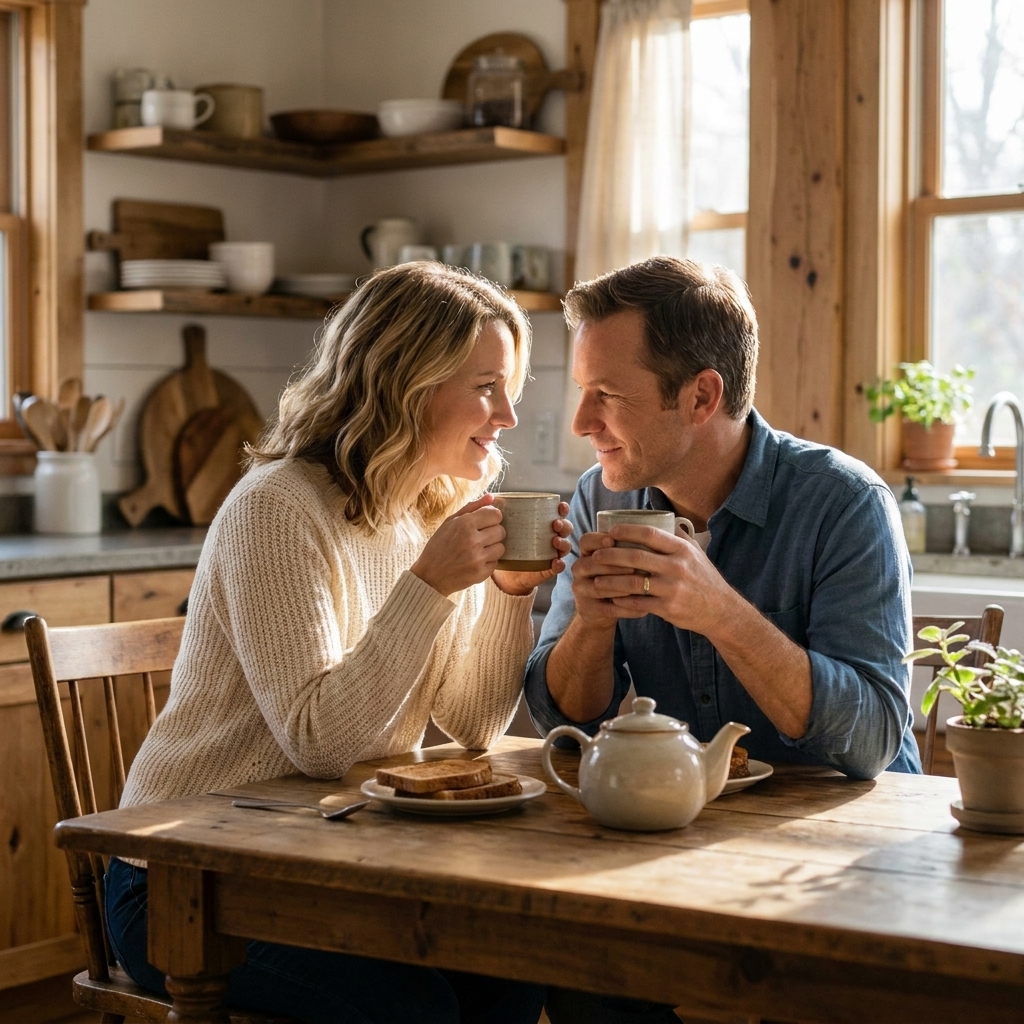
Dating in your 60s can feel like walking into a party where the music changed while you were out in the hallway living your life. The good news is that you are not “behind.” You are seasoned. You have preferences, patterns you have outgrown, and a deeper sense of what peace feels like. That is not baggage. That is wisdom.
Whether you are divorced , widowed, or simply ready for companionship after a long solo chapter, these are the tips I have seen help real people find their footing again, including in my own circles when a friend says, “Okay, I’m doing it. I’m dating again. Now what?”

1) Set kind, clear expectations
Many people re-enter dating with a secret rulebook: “It should feel like it did at 25.” But your life is fuller now, and you know yourself better. Instead of aiming for fireworks, aim for fit.
Try these grounding questions before you download an app or accept a dinner invite:
- What do I actually want? A committed partner, companionship, a travel buddy, a plus-one for weddings, or something in between?
- What pace feels respectful to me? Weekly dates, monthly dates, or “let’s text and see.”
- What is non-negotiable? Emotional availability, sobriety, faith alignment, kindness to service staff, comfort with your family realities.
- What am I flexible about? Height, hobbies, whether someone loves your exact genre of Netflix.
Specific expectations reduce disappointment. Kind expectations reduce burnout.
2) Do a quick heart check
You do not need to be perfectly healed to be worthy of love. You do need enough awareness to not ask a stranger to fix what grief, loneliness, or an old betrayal broke.
If you are coming out of a long marriage or a deep loss, notice what is still tender:
- If you feel panicky when someone does not text back, you may need slower pacing.
- If you cannot tolerate basic differences, you may be protecting yourself with rigidity.
- If you feel numb, you may need companionship first and chemistry later.
A simple goal: date from steadiness, not from scarcity. Even if “steadiness” is just 70 percent on a good day.
3) Refresh your social life first
Before you jump into profiles and first dates, rebuild your social confidence. Join things that put you around the kinds of humans you enjoy.
- Volunteer work that matches your values
- Walking groups, pickleball, cycling meetups
- Library events, museum memberships, local lectures
- Faith communities or community centers
- Cooking classes or travel groups
This serves two purposes: it increases your chances of meeting someone organically, and it gives you a fuller life even if dating takes time. (A full calendar is wildly attractive.)

4) Use dating apps on purpose
Apps can be a gift in your 60s because they widen your pool beyond your zip code, your church pew, or your friend’s neighbor who is “so nice” but thinks emotional intimacy is a brand of toothpaste.
Senior-friendly does not always mean “only seniors.” It can also mean apps with clearer profiles and better filtering.
How to choose an app
- If you want a relationship: choose platforms that encourage longer profiles and prompts, not just photos.
- If you want companionship: consider apps that let you state that clearly, so no one is guessing.
- If you are new to online dating: pick one app and learn it well before adding another. Too many options can make you feel oddly numb.
Profile tips that work
- Use recent photos. Think “within the last year,” clear lighting, no heavy filters.
- Include one full-body photo. Not because you owe anyone anything, but because clarity prevents awkwardness.
- Write like a human. A few warm specifics beat a list of demands every time.
- Lead with what you enjoy. “Sundays are for the farmers market and a long walk” invites connection.
If writing a bio makes you cringe, imagine you are setting up a friend you genuinely like. You would not write, “NO GAMES.” You would say, “Looking for someone kind who communicates clearly.”
5) Learn new norms, keep standards
Dating has changed. People text more than they call. Plans can be looser. Labels can come later. None of that requires you to accept behavior that makes you feel anxious or minimized.
Here are a few updated norms, translated into calmer language:
- Texting is often the first stage of vetting. You can still prefer a phone call before meeting.
- Many people date more than one person early on. If exclusivity matters to you, it is okay to ask about it after a few dates.
- Some people avoid labels. Not always a red flag, but clarity is attractive. You can kindly request it.
A gentle script: “I’m enjoying getting to know you. I date best when I’m clear. Are you looking for something committed eventually, or keeping it more casual?”
6) Keep early dates simple
This is one of my strongest practical recommendations, especially if you are newly back out there.
Early dates are not auditions for “forever.” They are safety checks and chemistry checks.
- Choose public places: coffee, a casual lunch, a museum, a busy park.
- Keep it to 60 to 90 minutes: enough time to feel the vibe, not so long you feel trapped.
- Drive yourself: it protects your autonomy and makes leaving easy.
- Pick low-noise settings: if you cannot hear each other, you cannot connect.
If the date goes well, you can extend it. If it does not, you can exit with dignity and a clear conscience.

7) Make safety a priority
Safety planning is not pessimism. It is self-respect.
Before you meet
- Do a quick video call first. It helps you confirm the person matches their photos and reduces the risk of catfishing.
- Keep personal details private early on: home address, where you walk daily, your exact schedule.
- Use the app’s messaging until you trust the person. Consider a Google Voice number if you want to text.
When you meet
- Tell a friend where you are going and when you expect to be home.
- Meet in public. Keep your drink in sight. Limit alcohol, especially on a first date.
- Trust your “off” feeling. You do not need a courtroom-level reason to leave.
Money is a boundary
If someone you have not met, or barely know, asks for financial help, gift cards, crypto, “urgent loans,” or investment opportunities, treat it as a scam and disengage. Block and report. No apology needed.
8) Talk about the big topics early
At 20, people can date for two years before realizing they do not agree on anything important. At 60, most of us would rather find out by date three.
You do not have to bring a clipboard to dinner, but you can introduce core topics naturally:
- Family: “How involved are you with your adult kids or grandkids?”
- Health and lifestyle: “What does a good week look like for you?”
- Retirement and time: “Are you mostly settled, or do you want to travel and stay busy?”
- Caregiving: “Do you have caregiving responsibilities right now, or expect them soon?”
- Home base: “Do you see yourself staying here, or could you relocate?”
- Money style: “Are you more of a saver or a spender?”
- Living setup: “Do you see yourself living with a partner someday, or more of a living-apart-together person?”
- Marriage: “Do you want to remarry, or do you prefer a committed partnership without marriage?”
These conversations are not “too much.” They are how you protect your time, your heart, and your future.
9) Include sexual health
This part is easy to skip, and it matters. STI rates are rising among older adults, and many people assume pregnancy-free means risk-free. It does not.
- Talk testing sooner than later. A simple line works: “Before we’re intimate, I like us both to get tested. Are you open to that?”
- Use protection when it makes sense. Menopause changes the pregnancy conversation, not the STI conversation.
- Take dryness and comfort seriously. Lube, pacing, and honest communication are not awkward. They are caring.
You deserve chemistry that is safe, mutual, and kind.
10) Let it be imperfect
Some dates will be lovely. Some will be strange. You might sit across from someone who talks passionately about their leaf blower for 40 minutes. You might meet a genuinely good person and feel… nothing. That is normal.
Try to measure progress by courage, not outcomes:
- You showed up.
- You practiced asking for what you need.
- You noticed your patterns without judging yourself.
- You said no when you meant no.
- You said yes when you were curious.
Love later in life is often quieter, steadier, and deeply nourishing.
If you are dating in your 60s, you are not starting over. You are starting from experience.
Common questions
How soon should I say I’m widowed or divorced?
Early, but not as your headline. You can mention it in a straightforward way on a first or second date, then shift toward what your life looks like now. You are not a backstory. You are a whole person in the present tense.
What if I feel guilty dating after loss?
Guilt is common, especially after a long marriage or caregiving chapter. It can help to reframe: dating is not replacing anyone. It is allowing your life to include connection again. If the guilt is intense or persistent, a grief counselor or support group can be incredibly steadying.
Is it normal to want companionship but not marriage?
Very normal. Many people want commitment, intimacy, and partnership without legal marriage. What matters is saying it clearly so you and your potential partner are building the same thing.
How do I know if someone is emotionally available?
Look for consistency. They follow through. They can talk about feelings without mocking them. They respect boundaries without punishing you. They are curious about your inner life, not just your schedule.
Does this apply if I’m LGBTQ+?
Yes. The basics are the same: clarity, safety, pacing, and values alignment. Depending on where you live, you may also want to prioritize LGBTQ+-friendly apps, groups, and venues where you can relax and be fully yourself.
A gentle next step
If you are feeling nervous, pick one small action this week: update one photo, ask a friend to recommend an app, attend one community event, or go on one coffee date with the goal of simply practicing. You do not have to do everything at once.
It is brave to risk connection again. At any age.