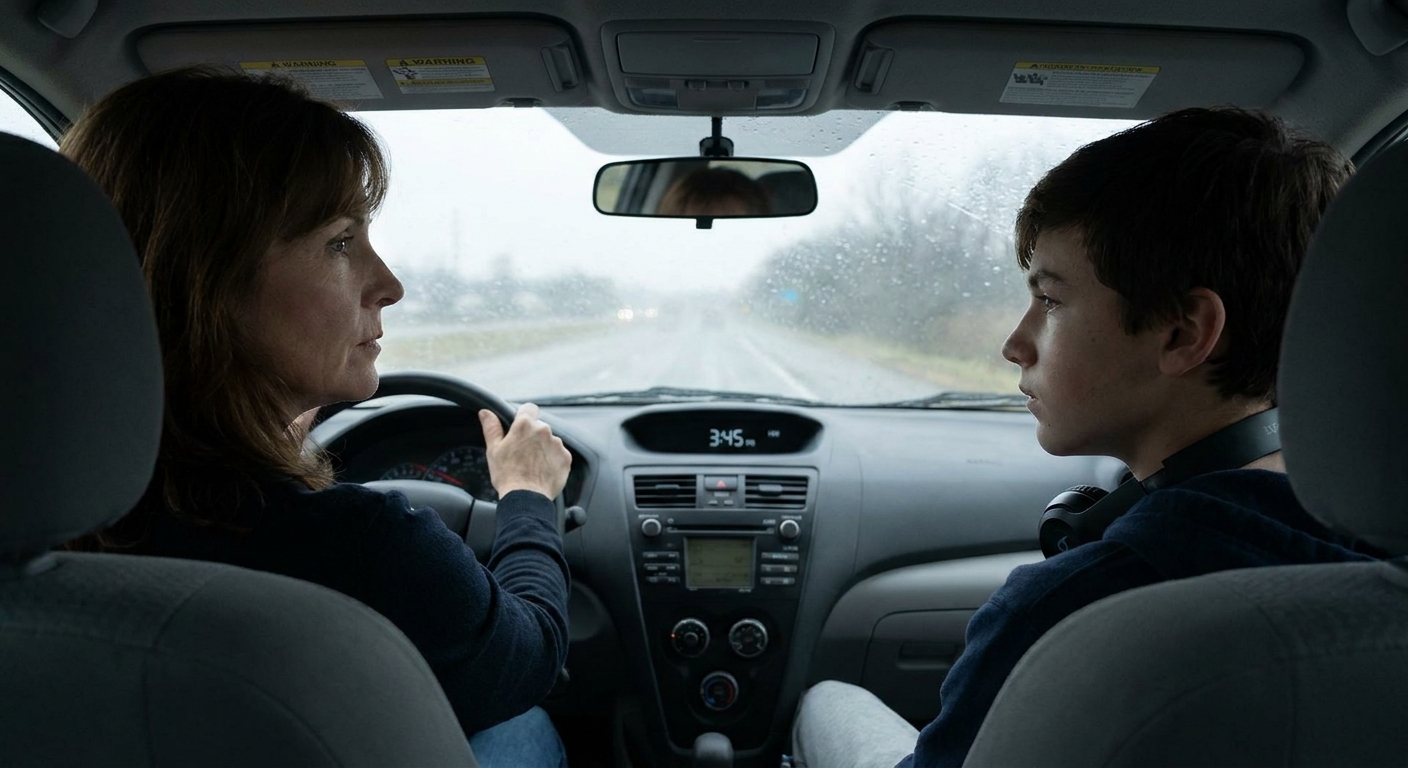
Equine therapy can be a wonderful fit for some teens, especially the ones who shut down on a couch and come alive when their hands are busy. Office therapy can be a better fit for other teens, especially when symptoms are intense, privacy is complicated, or scheduling has to be tight.
If you are deciding between them before you book, here is the clearest way to think about it: equine or animal-assisted sessions are a setting and a method, while office therapy is a controlled clinical setting. Both can help. They just help in different ways, and they come with different tradeoffs.
One important terminology note up front: people use “equine therapy” as an umbrella. In practice, a program might be equine-assisted psychotherapy (a licensed clinician provides psychotherapy and documents it like therapy), or it might be equine-assisted activities (therapeutic riding, skills-building, coaching, or experiential support) that can be beneficial but is not the same thing as mental health treatment.
What equine therapy looks like
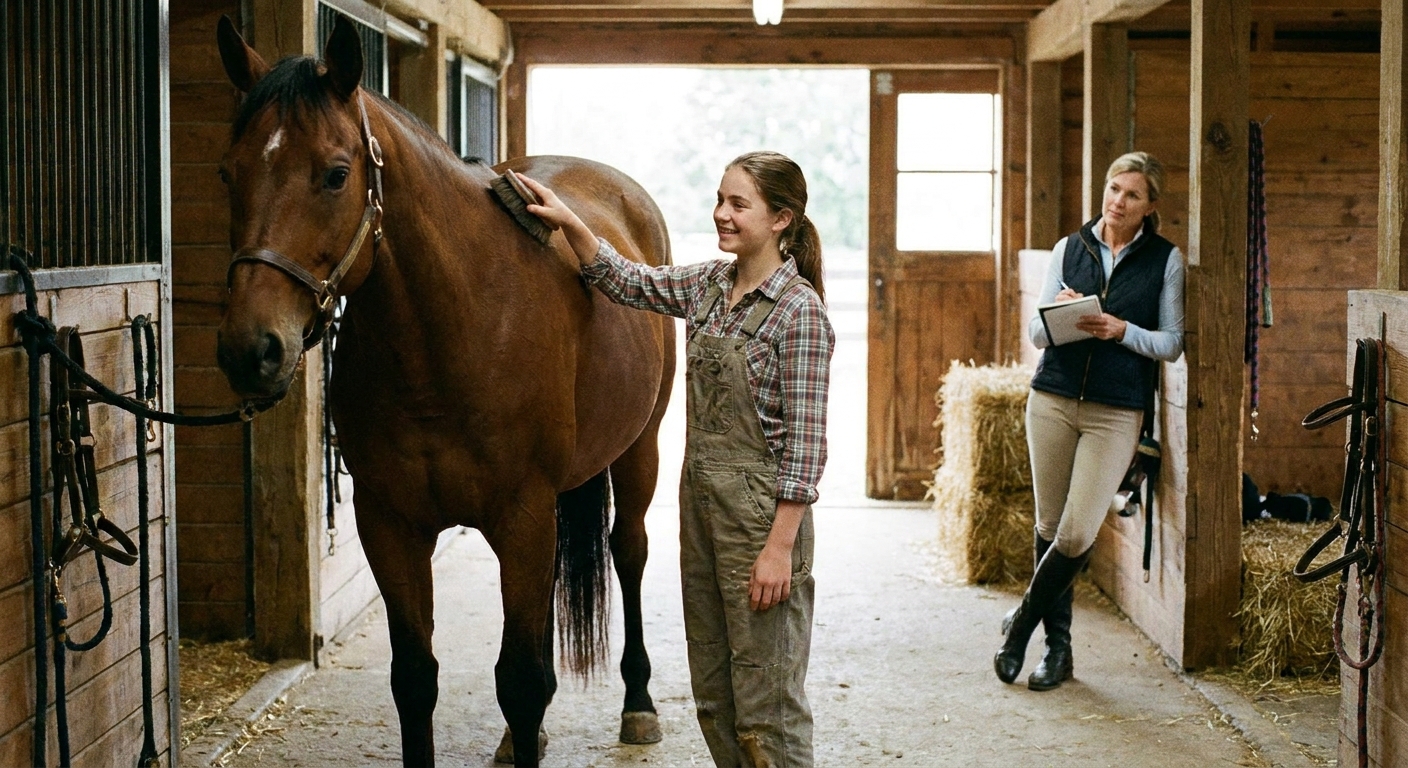
Most teens do not start by riding. Many equine programs focus on groundwork: leading, grooming, noticing cues, practicing boundaries, and learning emotional regulation in real time.
A typical session might include a check-in, a planned activity with the horse, processing afterward, and a closing plan for the week. Compared to an office, the pace can feel less direct and less verbal, and the horse often gives immediate feedback through body language and responsiveness.
Who is present
In many programs, there is more than one adult present. That might include a licensed mental health clinician, an equine specialist, and sometimes barn staff who are nearby for safety.
That is not automatically a problem, but it matters for privacy and comfort. Some teens do better with multiple supportive adults. Others feel watched.
What an office hour looks like
Office therapy is designed for consistency. It is the same room, the same time, and fewer variables. For teens who get overwhelmed easily, that predictability can be genuinely regulating.
Office sessions are also easier to keep tightly aligned to a treatment plan for anxiety, depression, trauma, or family work, with clearer documentation and coordination when needed (for example, with school supports, pediatricians, or psychiatry). That said, some equine-assisted psychotherapy programs are structured and goal-driven too, but the setting can add variables that make consistency harder.
Who is present
Most of the time it is just your teen and the therapist. Sometimes you join for part of the session, especially early on, or if there is a safety concern or family conflict that needs direct work.
If your teen worries about being seen or judged, the office setting is often easier to tolerate because it is discreet and controlled.
Differences you feel fast
Setting and sensory load
An office is quiet and contained. A barn or farm is sensory rich: smells, animals, weather, noise, unpredictable movement, and sometimes other clients.
That can be grounding for certain teens. For others, especially teens with significant anxiety, sensory sensitivities, or trauma triggers, it can be too much.
Movement versus sitting
Many teens communicate better while moving. Grooming, walking, or doing tasks side by side can help a teen talk without feeling interrogated.
In an office, a skilled therapist can incorporate movement or hands-on tools, but the default is more stationary and conversation-based.
Privacy and visibility
Office therapy is built around privacy. Equine sessions can be more public by nature. Even if conversations are confidential, your teen might still be seen arriving, working with an animal, or interacting with staff.
If your teen is deeply concerned about peers finding out, office therapy can feel safer. If your teen is more concerned about being trapped in a face-to-face conversation, equine therapy can feel safer.

Logistics that matter
Families often choose equine therapy based on a teen’s interest, then discover the schedule is the real deciding factor.
- Travel time: Equine programs are often farther away. Add commute time to the emotional cost of getting a resistant teen into the car.
- Weather: Rain, heat, cold, and storms can cancel or change sessions. That is normal, but frustrating if your teen needs consistency.
- Clothing and gear: Closed-toe shoes, long pants, layers, and sometimes helmets can become a point of conflict with a teen who already feels forced into therapy.
- Physical energy: A barn session can be physically tiring. That can be good, but it can also make homework nights harder.
- Cost and insurance: Coverage varies widely. Some programs bill as psychotherapy with a licensed clinician and clinical notes; some are private pay; some are coaching or experiential services that insurance does not cover.
Quick fit issues
Sometimes the decision is not philosophical. It is practical.
- Allergies or asthma: Hay, dust, dander, and barn air can be a dealbreaker for some teens.
- Animal fear: A teen who is afraid of large animals might need a different starting point, or a very gradual introduction.
- Cultural or personal comfort: Some teens feel self-conscious around barns, riding culture, or clothing requirements. Comfort matters for engagement.
What equine therapy can help with
Equine and animal-assisted work can support emotional growth in ways that feel less talky and more lived. That can be a huge relief for teens who hate being analyzed.
- Building trust with a therapist through shared activity
- Practicing boundaries in a concrete, immediate way
- Emotion regulation using breathing, pacing, and body awareness
- Confidence and competence through skill building and responsibility
- Motivation for teens who refuse traditional sessions
If your teen tends to intellectualize, joke, or shrug their way through office visits, the horse can interrupt that pattern in a very honest way.
It is also worth saying plainly: the evidence base for equine-assisted approaches is variable. Some teens respond beautifully, others do not. Outcomes often depend on fit, the program model, and whether there is licensed clinical oversight when mental health symptoms are involved.
What it does not replace
Here is the pivot that can feel abrupt, but it matters: once you move from engagement to treatment needs, you have to match the care to the risk.
This is the part I always want to say plainly: equine therapy is not automatically a substitute for mental health treatment when your teen needs clinical care.
Equine work can be part of a treatment plan, but it may not replace:
- Evidence-based therapy for anxiety, depression, OCD, eating disorders, trauma, or self-harm
- Psychiatric evaluation and medication management when symptoms are severe or persistent
- Safety planning for suicidal thoughts, self-injury, or escalating risk
- Family therapy when the problem lives in the patterns at home, not only inside your teen
If your teen is in a high-risk place, prioritize licensed clinical oversight and a level of care that can handle risk, including coordination with medical or psychiatric providers when needed. Equine sessions can still be added later as a supportive layer.
How to choose
If you are stuck, try making the decision based on fit, not fantasy. These questions usually clarify things quickly.
- What is the primary goal? If it is symptom reduction and clinical treatment, start with office therapy or an equine-assisted psychotherapy program led by a licensed clinician. If it is engagement, trust building, and regulation practice, equine can be a strong entry point.
- How private does it need to be? If your teen is highly sensitive to being seen or overheard, office therapy is often easier.
- How consistent can we realistically be? Weekly is often more effective than better, but sporadic.
- Does my teen open up while moving? If yes, an active setting may help. If movement increases agitation, the office may be better.
- Are there safety concerns? If there is any concern about self-harm, suicidal thoughts, severe eating restriction, or psychosis, prioritize licensed clinical care that can safety plan and coordinate the right level of support.
Questions to ask about equine programs
Not all equine programs are the same. Some are psychotherapy with horses. Others are therapeutic riding, coaching, or experiential programs. Words can get fuzzy in marketing, so it helps to ask clearly.
Credentials and clinical oversight
- Is a licensed mental health professional providing psychotherapy as part of this service?
- Who leads the session: the therapist, the equine specialist, or both?
- Do you create a treatment plan and maintain clinical documentation, and how do you coordinate care with other providers when needed?
- What is your approach when a teen discloses self-harm, suicidal thoughts, abuse, or serious risk?
Privacy and confidentiality
- Where does processing happen, and who can overhear it?
- What information, if any, is shared with parents after sessions?
- How do you handle other clients or staff being nearby?
Safety and logistics
- What happens in bad weather?
- What should my teen wear, and what are the expectations around participation?
- What is your protocol for bites, kicks, falls, allergies, or panic attacks?
If you want a broader set of questions that applies to any teen therapist, this guide can help: Questions to Ask a Teen Therapist Before You Book.
Questions to ask about office therapy
Office therapy varies too. The setting is similar, but the approach can be very different depending on training and experience.
- What therapy methods do you use most with teens?
- How do you involve parents, and how do you protect teen privacy?
- How do you measure whether therapy is working?
- What would make you recommend a higher level of care?
Two related reads many parents find clarifying are How to Find a Therapist for Your Teenager and What to Expect at Your Teen’s First Therapy Appointment.
If your teen refuses office therapy
This is so common, and it is exhausting. Teens can refuse for a dozen reasons, including shame, fear of being judged, worry about privacy, or simply not wanting one more adult telling them what to do.
If equine therapy is the only yes you can get right now, you can still make it a smart yes.
- Name the goal: “We are starting here because it feels less intense than an office.”
- Set a review point: “Let’s try 6 sessions, then we reassess.”
- Ask for coordination: If the program is not psychotherapy, ask who can coordinate with your teen’s pediatrician or a licensed therapist.
- Keep the door open: “If we need more support later, we will add it.”
If you still need words for that first conversation, you can borrow phrasing from How to Tell Your Teen They Need Therapy. Sometimes changing the setting is less important than changing the tone.
When a combined plan fits
For some teens, the best answer is not either/or. It is both, at different times or for different goals.
A combined plan can make sense when:
- Your teen needs structured clinical treatment, but struggles with engagement
- They are doing office therapy, and you want a body-based regulation practice that feels motivating
- Your teen is in a transition, like returning to school after a mental health crisis, and needs multiple supports
If you go this route, make sure roles are clear so your teen does not feel double-teamed. One provider can focus on clinical treatment, the other can focus on experiential work and regulation skills.
When to start with office therapy
If you are unsure where to start, office therapy is often the safer first step when the picture is complex or escalating, especially if you need consistent monitoring, documentation, and coordination.
Consider starting with office therapy if your teen:
- Has panic, depression, trauma symptoms, or anxiety that is interfering with school or daily life
- Is self-harming, talking about not wanting to live, or making risky choices
- Needs careful privacy, consistency, and a predictable environment
- May need coordination with school supports or medical providers
If you are trying to gauge whether things are at that level, you might also read 7 Signs Your Teen Needs More Support at Home and 5 Signs Your Child Is Struggling With Anxiety.
Bottom line
Equine therapy can be a powerful doorway for a teen who cannot or will not talk in an office. Office therapy can be the backbone of care when your teen needs consistent, private, clinically focused treatment.
You do not need to pick the perfect choice on day one. You just need a choice that your family can realistically sustain, and a provider who will tell you honestly when your teen needs more support than one setting can offer.