

When your teen starts therapy, it can feel like one more complicated decision on a week that is already too full. The good news is you usually do not need to disclose much to the school at all.
In many cases, the school only needs enough information to (1) excuse an absence or late arrival, (2) support a simple accommodation if one is truly necessary, and (3) know who to contact in an emergency. Everything else can stay private.
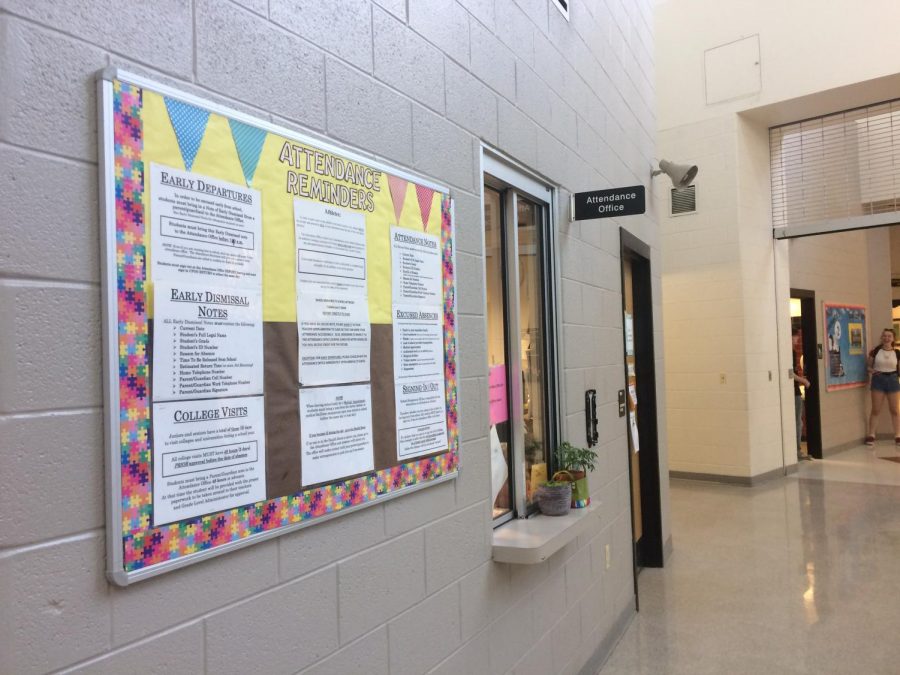
Because attendance rules vary by district, it helps to take a quick look at your school’s attendance policy so you know what counts as excused and when a note is required.
The short answer: what the school needs
If you want a simple rule of thumb, aim for the minimum effective disclosure. Share only what helps your teen access school and stay safe.
- Attendance office: the dates and times your teen will be out or late, plus a brief, non-specific reason.
- One point person (optional): usually a counselor, grade-level administrator, or case manager if your teen needs coordination.
- Nurse (only if relevant): information tied to medication at school, panic symptoms that can look like a medical issue, or a safety plan that includes the health office.
- Teachers (only as needed): how missed work will be handled, and any small classroom supports, without discussing therapy details.
What to say for absences and tardies
Many parents worry that if they do not specify “therapy,” the absence will not be excused. Many schools accept broad medical language, but policies vary and some require documentation after a certain number of absences.
Simple wording that often works
- Call or email: “My child has a medical appointment and will be out from 1:00 to 3:00 on Tuesday.”
- If asked for more detail: “It’s a confidential health appointment. They will return after.”
- If it is recurring: “My child has a standing medical appointment on Thursdays and may arrive about 30 minutes late. Please mark as excused.”
If the school requests a note
Some schools request a provider note for repeated absences or ongoing tardies. If your teen is comfortable, you can ask the therapist’s office for a generic note that confirms the date and time of an appointment, without including diagnosis, session content, or treatment details.
If your teen is not comfortable, ask the attendance office what alternatives they accept, such as a parent note, adjusted scheduling, or a conference to find a plan that protects privacy while meeting attendance requirements.
What to avoid sharing
Schools sometimes ask questions in a well-meaning way. You can stay polite and still protect your teen’s privacy.
Details you usually do not need to share
- Therapy notes, session topics, or “what happened”
- A diagnosis, unless you are requesting formal supports that require documentation
- Family information (divorce conflict, trauma history, substance use in the home) unless you are requesting a specific protection
- Medication details unless medication must be administered at school or affects the school day in a concrete way
- Your teen’s personal disclosures, including sexuality, relationships, or self-esteem struggles
If a staff member asks something that feels too personal, you can use a steady, boring sentence and move on.
“I appreciate your concern. We’re keeping the health details private, but we’ll let you know what support the school can provide.”
Who to tell and who not to
When a teen begins therapy, parents sometimes copy several staff members “just to keep everyone in the loop.” That often backfires. The more people who know, the more chances your teen feels watched, singled out, or talked about.
Often appropriate to tell
- Attendance secretary or attendance office for documentation and excused time
- A school counselor or designated student support lead if you need coordination
- The nurse if there is a health plan, medication administration, or panic symptoms that repeatedly land your teen in the office
Usually not necessary to tell
- Other parents
- Coaches or club leaders unless attendance or travel is affected
- Teachers as a group, unless you are requesting a formal plan that requires notice
- Front office staff beyond attendance
- Anyone who does not directly control what your teen needs (excuses, makeup work, safety steps)
If you are unsure, start with one point person and expand only if it becomes truly necessary.
If your teen wants you to tell no one
This is common, and it is not always defiance. It is often privacy, shame, fear of gossip, or simply a teen trying to keep one part of life from feeling like a school-wide announcement.
You can usually honor their request while still meeting attendance requirements. If you need to share something, tell your teen exactly what you will say and to whom, and keep it as limited as possible.
- Ask permission for specifics: “Are you okay with me saying ‘health appointment’ to attendance?”
- Offer choices: “We can tell one counselor for support, or no one unless problems come up.”
- Agree on a script: decide the exact wording together, then stick to it.
If you need help with the in-home conversation itself, you might appreciate How to Help a Teen Open Up Without Pressuring Them.
When to share more
There are times when more disclosure supports your teen. This is not about proving therapy is “serious enough.” It is about removing barriers to school.
Consider more detail if your teen is dealing with:
- Frequent panic symptoms at school that staff misread as defiance or as repeated office visits for reassurance or relief (sometimes staff call this “nurse shopping”)
- Self-harm urges or suicidal thoughts where a school safety plan is needed
- Trauma triggers connected to specific places, people, or procedures on campus
- Major functional impact such as inability to present, test, ride the bus, eat in the cafeteria, or attend certain classes
If you are in the safety territory, the goal is coordination. You can still ask the school to limit information to the smallest team possible.
Informal help vs formal plans
It helps to separate two different lanes of support.
Informal flexibility
This is things like excused time for appointments, a calm point person, or a plan for makeup work. Informal help usually requires very little detail.
Formal accommodations (504 plan or IEP)
If you are requesting a formal 504 plan or an IEP, the school typically needs documentation of a qualifying condition and, even more importantly, how it affects your teen’s functioning at school. You can still keep therapy private. Focus documentation on school impact (attendance, concentration, testing, presentations) rather than personal history.
If support is through the school
If your teen is seeing a school counselor, school social worker, or another school-based provider, confidentiality and record-keeping are handled under school rules, and information may live in an education record rather than a medical chart. Ask what is documented, who can access it, and what the limits of confidentiality are, especially around safety concerns.
If you are weighing school-based support versus outside therapy, School Counselor vs Outside Therapist for Your Teen can help you sort through the tradeoffs.
Sample emails
If writing the first message is the hardest part, here are a few options. You can copy, paste, and shorten them.
Email to attendance
Hello, I’m writing to let you know my child will have a confidential health appointment on Wednesdays and may arrive late (around 9:30 a.m.) for the next several weeks. Please let me know if you need any documentation per the attendance policy. Thank you.
Email to a counselor or grade-level administrator
Hello, I wanted to share that my child has started outpatient counseling outside of school. We are keeping the details private, but I wanted to ask who the best point person is if we need support with attendance or classwork during appointments. We appreciate your help in keeping this information limited.
Email to a teacher when makeup work is the only issue
Hello, my child will occasionally miss part of class for a health appointment. Could you let us know the best way to keep up with assignments on those days? Thank you for your flexibility.
If conversations at home are tense right now, 10 Strategies to Improve Communication With Your Teen can help you stay connected without turning therapy into a daily debate.
Protecting privacy at school
Sometimes the biggest stressor is not the email. It is the hallway moment when a teen gets called out of class, or when a well-meaning adult says something too loud at the front desk.
Small requests that help
- Ask that your teen be called to the office with neutral language, not “counseling.”
- Request that notes be handed to your teen discreetly, not announced.
- If pickup is needed, ask for a consistent pickup point that feels private.
- Ask who can access the information in your teen’s education record, and request limiting it to essential staff.
If the school pushes for details
Sometimes a staff member insists on “what’s really going on” to justify an excuse or support. You can be calm, firm, and boring.
- Repeat the purpose: “We’re requesting excused time for a confidential health appointment.”
- Ask for the policy in writing: “Can you point me to the attendance policy that explains what documentation you need?”
- Escalate with boundaries: If needed, ask to speak with the attendance supervisor, an administrator, or the school’s 504 coordinator. Keep the request focused on accommodations and documentation requirements, not therapy details.
If you are co-parenting and disagree
When parents are not on the same page, school communication can become a second battleground. As much as possible, keep the school out of adult conflict and keep messages practical.
- Agree on the minimum: “health appointment” plus times and dates.
- Pick one sender: one parent communicates with the school to avoid mixed messages.
- Keep records: save emails and attendance confirmations in one shared place.
If co-parenting communication is high-conflict, you might find Co-Parenting With a Difficult Ex: Keep Communication Calm grounding.
Common questions
Will the school put “therapy” in my teen’s permanent record?
Schools keep education records, and what is retained and for how long varies. Often, schools document attendance and any formal support plans, not therapy content. If you are concerned, ask what will be entered, where it will be stored, and who can view it. You can request that documentation stay general when possible.
Do I have to tell teachers why my teen is leaving early?
Usually no. “Medical appointment” is often enough, and many teachers prefer fewer details. Only share what changes their expectations for work and participation.
Can the therapist talk to the school?
Not without the appropriate written consent. Outside therapists are typically bound by healthcare privacy rules, while schools follow education privacy rules. Communication usually requires a signed release from a parent or guardian, or from the student if they are the legal decision-maker for their care. Rules can also vary by state, especially for older teens.
Even when you sign a release, you can ask for a narrow scope, like coordinating attendance or recommending classroom supports rather than sharing personal history.
What if my teen turns 18?
Privacy and consent rules can shift once your teen is a legal adult, and in some places teens can consent to certain services before 18. If your teen is nearing 18, talk early about what information they want shared with you and with the school so you are not surprised later. Related reading: What Changes When Your Teen Turns 18 and Still Lives at Home.
When to seek extra support
If your teen is falling behind, refusing school, or spiraling after starting therapy, it does not mean therapy is failing. It can mean the school day is too demanding while your teen is learning new coping skills, or that the current level of support is not a match.
You might also want to read What to Do If Your Teen Feels Worse After Starting Therapy and How to Tell if Teen Therapy is Helping.