

If your teen is having a panic attack, your job is simple and hard at the same time: help them feel safer in their body, reduce stimulation, and stay with them until the wave passes.
Panic attacks often look dramatic, but they are usually not dangerous. They are also miserable. Having a plan helps you stay steady when your teen cannot.

What a panic attack can look like in a teen
Teens do not always say, “I’m having a panic attack.” They often say, “I can’t breathe,” “Something is wrong,” or “I feel like I’m going to pass out.” Sometimes they get quiet and frozen. Sometimes they are pacing, crying, or angry.
Common signs include:
- Fast heartbeat, chest tightness, shaking, sweating
- Shortness of breath or feeling like they cannot get a full breath
- Dizziness, nausea, tingling, hot or cold flashes
- Feeling unreal or “not in my body”
- Fear of dying, fainting, or “going crazy”
- Urgent need to escape the room, car, store, classroom
A panic attack typically peaks within minutes and then gradually eases. The after-effects can linger: exhaustion, embarrassment, irritability, and a strong desire to avoid whatever place they were when it happened.
What to do during a panic attack (simple, steady steps)
Think of this as borrowing your calm nervous system. You are not debating thoughts. You are guiding their body back toward safety.
- Check safety first. If you are in a car, pull over when safe. If you are in public, move to a quieter corner or outside for air. If they are hyperventilating, encourage slower breathing without forcing it.
- Lower stimulation. Dim lights, reduce noise, step away from crowds. Ask onlookers to give space.
- Ground the body. Feet on the floor. Back against a wall or seat. Offer a cool drink, a cold washcloth, or a textured object to hold.
- Use short phrases. Your teen cannot process speeches mid-panic. Use one sentence, then pause.
- Stay present. If they want you near, stay near. If they want space, stay within sight. Avoid blocking exits.
What to say in the moment (scripts that actually help)
The goal is reassurance without arguing. You are naming what is happening and what will happen next.
Helpful phrases
- “This feels scary, and I’m right here with you.”
- “Your body is in a false alarm. It will pass.”
- “Let’s do one small thing together. Feet on the floor. Press down.”
- “You’re safe. You’re not in trouble. We’re going to ride this out.”
- “Do you want me close, or a little space?”
What to avoid if you can
- “Calm down.” (It usually lands like criticism.)
- “You’re fine.” (Their body is screaming the opposite.)
- “What is wrong with you?” (Even if you are terrified.)
- Rapid-fire questions: “Why is this happening? What did you eat? Are you stressed?”
If your teen is panicking about having a heart attack, you can validate the sensation without confirming the fear: “Chest tightness is a common panic symptom. We will keep an eye on it. If anything seems medically off, we will get help.”
Grounding tools your teen can use right now
Different teens prefer different tools. Offer two options and let them choose. Choice is calming.
Option 1: 5-4-3-2-1 grounding
Invite them to name:
- 5 things they can see
- 4 things they can feel (feet in shoes, phone in hand)
- 3 things they can hear
- 2 things they can smell
- 1 thing they can taste
Option 2: Temperature change
A cold sensation can interrupt the panic spiral. Try one:
- Splash cool water on face
- Hold an ice cube or cold can of soda
- Cool washcloth on cheeks or back of neck
Option 3: Muscle “reset”
Have them press their feet into the floor for 10 seconds, release, then repeat. Or squeeze fists for 5 seconds and release.
A breathing step that avoids the hyperventilation trap
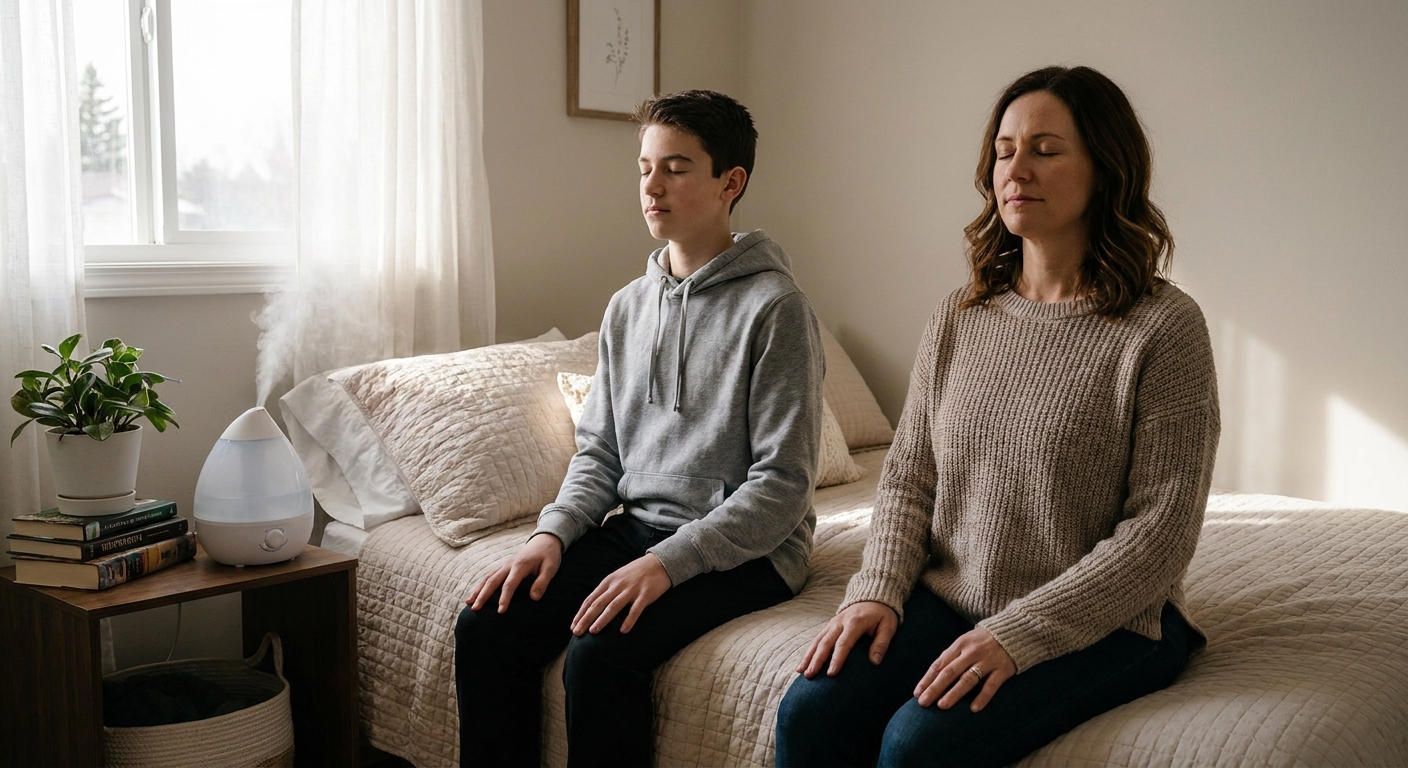
Telling a panicked teen to “take a deep breath” can backfire if they are already over-breathing. Instead, aim for slower and longer exhales.
Try this: In 4, out 6 (for 3 minutes)
- Breathe in through the nose for 4.
- Breathe out slowly for 6, like cooling soup.
- Repeat. Count for them if they want help.
If counting irritates them, switch to a cue: “Match me,” and let them follow your pace.
When it is over: what to do in the next 30 minutes
Most teens feel wrung out afterward. Think “recovery,” not “processing.”
- Offer water and a small snack if they can tolerate it.
- Reduce demands for a bit: fewer questions, fewer tasks.
- Normalize the crash. “Your body used a lot of energy. Tired makes sense.”
- Do a gentle reset activity: short walk, shower, sitting outside, a show with low intensity.
How to talk about it afterward without turning it into a lecture
Later that day or the next day is usually best, when everyone is less activated. Your tone matters more than your words.
A simple debrief script
You can try:
“I’ve been thinking about what happened. That looked really scary. Would you rather talk about it for two minutes now, or after dinner? I mainly want us to have a plan for next time.”
Questions that are less likely to make them shut down
- “Where were you when you first noticed it?”
- “What did you need most from me?”
- “What made it worse, even accidentally?”
- “What should our plan be at school, practice, or work?”
If your teen is embarrassed, you can keep it practical: focus on the plan, not the feelings. If your teen wants to joke about it, let the gentle humor in. Sometimes laughter is a release valve, not avoidance.
For more ways to keep communication open, see 10 strategies to improve communication with your teen.
What repeated panic attacks can mean, and when to involve a clinician
One panic attack can happen in a high-stress season and never return. But repeated attacks deserve real support, especially if your teen starts shrinking their life to avoid the next one.
Consider professional help if any of the following are true:
- Panic attacks are happening more than once, or your teen is living in fear of the next one
- Your teen is avoiding school, social events, sports, driving, or leaving the house
- Sleep is falling apart, appetite changes are significant, or irritability is constant
- Your teen is using alcohol, vaping, cannabis, or other substances to “calm down”
- You are seeing other anxiety signs, like ongoing worry, stomachaches, headaches, or perfectionism spirals
Therapy can help teens learn skills to interpret body sensations differently, reduce avoidance, and rebuild confidence. If you are weighing that conversation, this may help: How to tell your teen they need therapy.
If you are trying to figure out whether anxiety is part of the picture overall, you can also read 5 signs your child is struggling with anxiety.
Clear signs you should seek emergency help
Panic symptoms can mimic medical problems. When in doubt, it is okay to get medical eyes on your teen, especially if symptoms are new or unusual for them.
Seek urgent or emergency care if your teen has:
- Chest pain with pressure, spreading pain, fainting, or a known heart condition
- Severe trouble breathing, wheezing that does not improve, or blue or gray lips
- Fainting, collapse, injury from passing out, or seizure-like activity
- Confusion, extreme agitation, or they do not return to their usual baseline afterward
- Signs of overdose, intoxication, or mixing substances
- Any self-harm, suicidal thoughts, or statements like “I don’t want to be here”
If your teen is in emotional crisis and you are unsure what level of help is appropriate, you might find it clarifying to read Crisis line vs a therapist for a teen and Mobile crisis team vs the ER for a teen.
Helping your teen make a “next time” plan
When teens know what will happen next time, panic loses some of its power. Keep the plan short enough to remember.
A parent-teen plan you can write on a note in your phone
- My early signs: (tight chest, dizziness, tingling, doom feeling)
- My first move: step outside, sit down, feet on floor
- My grounding tool: 5-4-3-2-1 or cold water
- My breathing: in 4, out 6 for 3 minutes
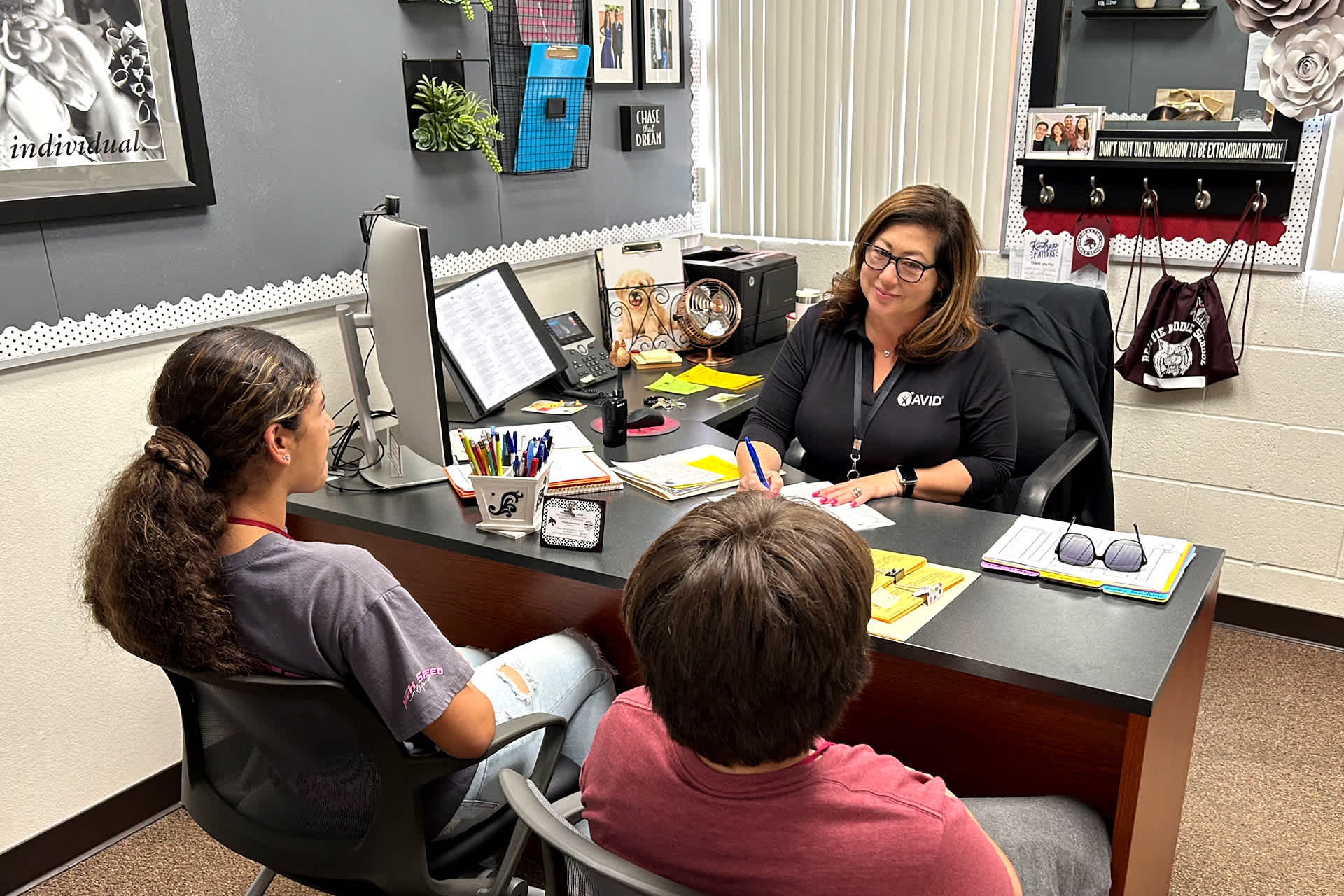
- Who I tell at school: counselor, nurse, trusted teacher
- What my parent does: calm voice, fewer questions, help me leave if needed
If your teen refuses help in the moment
Some teens hate being coached when they are panicking. That does not mean you are doing it wrong. It means their panic is loud.
Try one of these lower-contact approaches:
- Offer two choices: “Do you want me to count breaths, or sit quietly?”
- Use a signal: a thumbs up when they want you closer
- Narrate less: “I’m here.” Then silence.
- Help the environment: lights down, door cracked, water nearby
FAQ parents ask about teen panic attacks
How long do panic attacks last?
The peak is often brief, commonly minutes, though the fear and physical aftershocks can take longer to settle. It can feel endless to your teen. Having you nearby, lowering stimulation, and using grounding can shorten the loop.
Can I accidentally make it worse?
Yes, but not because you are a bad parent. The most common accelerators are arguing with their fear, asking lots of questions, and adding urgency. If you realize you are doing that, you can reset: “I’m going to slow down. I’m here.”
Should I let them leave school or an activity?
Sometimes leaving is appropriate. Sometimes it can quietly teach the brain that the place itself is dangerous. A middle path is often best: step out, regulate, then decide. If panic is frequent, looping in a counselor or therapist can help you build a plan that balances compassion and confidence-building.
If you are reading this after a scary episode, I want to say this plainly: you did not miss a parenting class where everyone learned exactly what to do. Most of us learn this in real time, with a shaky voice, and a lot of love.