

Tell them early, tell them simply, and tell them the truth at a child-sized level. For most kids ages 4 to 10, the most reassuring message is: therapy is a place to help feelings and problems feel more manageable, and they are not in trouble.
You do not need a perfect speech. One calm, concrete explanation and a chance to ask questions is usually enough to start.
Start with one sentence
If you only say one thing, make it this: where we are going, who will be there, and why.
Name it: “We are going to see a feelings helper, a therapist.”
Give a simple reason: “To help with big feelings and hard days.”
Explain your role: “I will stay close, and we will do this together.”
Two ready-to-use scripts
For ages 4 to 6:
“We are going to meet a therapist. A therapist helps kids with feelings, worries, and big changes. Sometimes you can play and draw to show how you feel. You are not in trouble. Grown-ups are helping you.”
For ages 7 to 10:
“We are going to see a therapist. Therapy is a place where kids can learn tools for feelings like anger, sadness, worries, or stress. You can talk, do activities, and practice new skills. This is not a punishment. It is support.”
If they ask, “Am I in trouble?”
This question is incredibly common, especially if your child has been getting in trouble at school, having meltdowns, or hearing adults whisper about “behavior.” Answer it directly.
Simple answers that work
“No. Therapy is not for kids who are bad. Therapy is for kids who need help with big feelings.”
“You are not in trouble. Something has been feeling hard, and we are getting you more support.”
“My job is to help you, not blame you. The therapist helps our family figure out what works.”
If the concern is behavior
Sometimes a child has heard “Stop it” a hundred times and assumes therapy is a bigger version of that. Try:
“You are a good kid having a hard time. The therapist will help us learn new ways to handle angry feelings and body energy.”
What happens in therapy
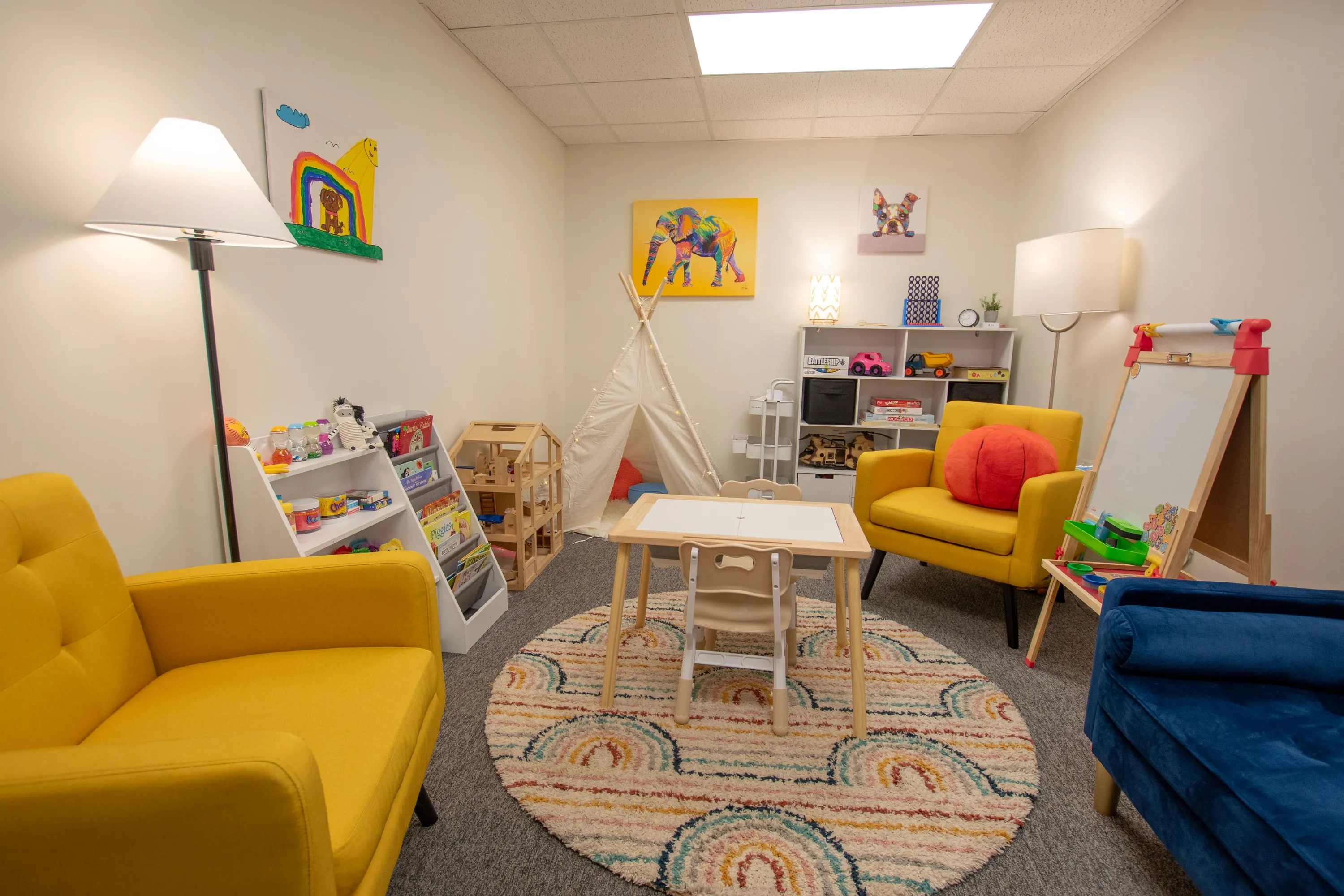
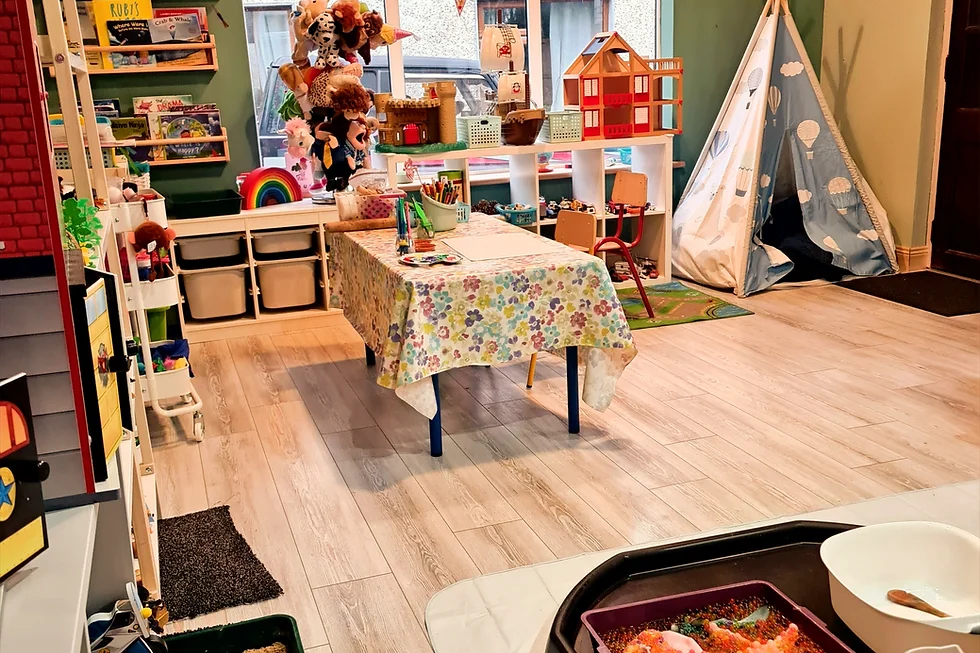
Young kids often do not just sit and talk for a whole session. Many therapists use play, art, stories, and games because that is how children naturally communicate and learn.
Also, depending on your child’s age and the therapist’s approach, the first appointment might include some time with parents only, some time with your child only, or time together as a family. That is normal, and the therapist should explain the plan.
You can describe it like this:
“There might be toys, drawing, games, or stories.”
“The therapist will ask questions and also play with you.”
“You might practice calm-down tools, like belly breathing or taking breaks.”
“Sometimes the therapist will talk with me too, because grown-ups help at home.”
If you want a deeper explanation of why play is often used, this guide can help: Play Therapy vs. Talk Therapy for a Young Child.
Age wording: 4 to 6 vs 7 to 10
Ages 4 to 6: keep it short
At this age, too many details can feel overwhelming. Focus on routine and safety.
“We will drive there, meet the therapist, and then come home.”
“You can bring your favorite small toy if you want.”
“The therapist helps feelings. Just like the doctor helps bodies.”
Ages 7 to 10: give a bit more “why”
School-aged kids often want logic and fairness. They may wonder why this is happening to them and not to a sibling.
“Everyone needs different kinds of help at different times.”
“Therapy is a place to practice skills, like managing worry or handling frustration.”
“We will try it for a few visits and see what helps.”
Common kid questions
“Did I do something wrong?”
“No. You are not in trouble. This is help, not a consequence.”
“Is something wrong with me?”
“No. Your feelings are not bad. Sometimes feelings get too big, and we learn tools so they do not boss you around.”
“Do I have to talk?”
“You can talk when you are ready. You can also play, draw, or show the therapist how you feel in other ways.”
“Will you stay?”
“At first, I will be close. The therapist and I will decide the plan together, and we will tell you ahead of time what it will be.”
“Are you telling the therapist my secrets?”
“The therapist is someone we can tell important things to. The therapist helps keep kids safe, and they also help families. If something is about safety, the therapist will tell me so I can help you. Otherwise, you might have some private time to talk so you can feel comfortable.”
When to tell them
For many kids, telling them one to three days before the first appointment works well. Too early can create days of anxious anticipation. Too late can feel like a surprise or trick.
If your child is highly anxious or does best with lots of predictability, a little more lead time can help, especially if you keep the explanation simple and repeatable.
Set expectations clearly
Time: “It will take about as long as one TV show and a snack.”
Place: “It is an office with toys and art stuff.”
Purpose: “To help with worries and big feelings.”
Routine: “After therapy, we will go home and do our normal afternoon.”
If your child does best with predictability, consider a simple plan: “therapy, then park” or “therapy, then home for hot chocolate.” Keep it small and consistent, not a huge reward that implies the appointment is something scary to endure.
If your child refuses to go
A refusal is often fear, not defiance. With young kids, your calm confidence matters.
Try these responses
Name what you see: “You look worried. New places can feel strange.”
Hold the boundary gently: “We are still going. I will stay with you until you feel settled.”
Offer one choice: “Do you want to bring your dinosaur or your small blanket?”
Preview the first step only: “First we will drive. Then we will say hello. That is it.”
If your child has panic-like symptoms, aggressive outbursts, or shuts down completely before every visit, talk with the therapist about a slower entry plan. Sometimes the first session is mostly parent coaching, or a brief meet and greet, and that is okay.
Explain the “why” without labels
You can be honest about the general “why” without handing a child a heavy label they do not understand.
Examples that keep it simple
If it is anxiety or worry: “Your worry has been showing up a lot, and we are getting help to make it smaller.”
If it is sadness or grief: “Your heart has been hurting. Therapy helps us talk about missing someone and feeling safe again.”
If it is behavior at school: “School has been hard for your body and feelings. We are getting support so school feels easier.”
If it is a family change: “Our family has had big changes. Therapy helps kids handle changes and feelings.”
If you are worried your child is struggling with anxiety specifically, you might also read: 5 Signs Your Child Is Struggling With Anxiety.
After the first appointment
Many parents want to ask, “So what did you talk about?” and many kids respond with a shrug, a grumpy “nothing,” or a detailed report about the toy shelf.
All of those are normal.
Try lighter questions
“What was one thing you noticed in the room?”
“Did anything make you feel comfortable?”
“Was there anything you did not like?”
“Do you want to go back next time the same way, or try something different like bringing a small fidget?”
If your child shares something vulnerable, keep your reaction calm and grateful. You can always process your bigger feelings later, with another adult or with the therapist privately.
When to get extra help fast
This article is about how to explain therapy, not diagnosing what is going on. Still, there are times when it is wise to move faster and get professional guidance right away.
If your child talks about wanting to die, not wanting to be here, or hurting themselves.
If they are hurting others or animals, or you are afraid someone will get injured.
If their anxiety or panic makes school, sleep, or eating feel impossible.
If you are seeing extreme aggression, long shutdowns, or frightening dissociation-like behavior.
If you are in immediate danger or you believe your child is at immediate risk, call your local emergency number. If you are not sure what level of help is needed, calling your pediatrician or a local crisis service for guidance can be a solid first step.
Phrases to avoid
Sometimes we say well-meaning things that accidentally raise the temperature. Here are some quick swaps.
Avoid: “We are taking you to get fixed.”
Instead: “We are getting help and learning new tools.”Avoid: “Because you keep misbehaving.”
Instead: “Because things have been feeling hard, and we want to help.”Avoid: “Tell the therapist everything.”
Instead: “You can share when you are ready. The therapist will help.”Avoid: “If you do not talk, it will not work.”
Instead: “There are lots of ways to communicate, including play and drawing.”