

Online couples counseling and in-person couples counseling can both be genuinely helpful. The best fit usually comes down to what helps you show up consistently and safely, especially when conversations get tender or tense.
If you want the quickest way to decide, start here: choose online if access and consistency are your biggest barriers, and choose in-person if you need the room itself to slow things down, support emotional safety, or reduce escalation.
How the two formats feel
Couples therapy is not only about the words you say. It is also about pacing, body language, micro-repairs (small moments of reconnection after a rupture), and how quickly you both can settle after a difficult moment.
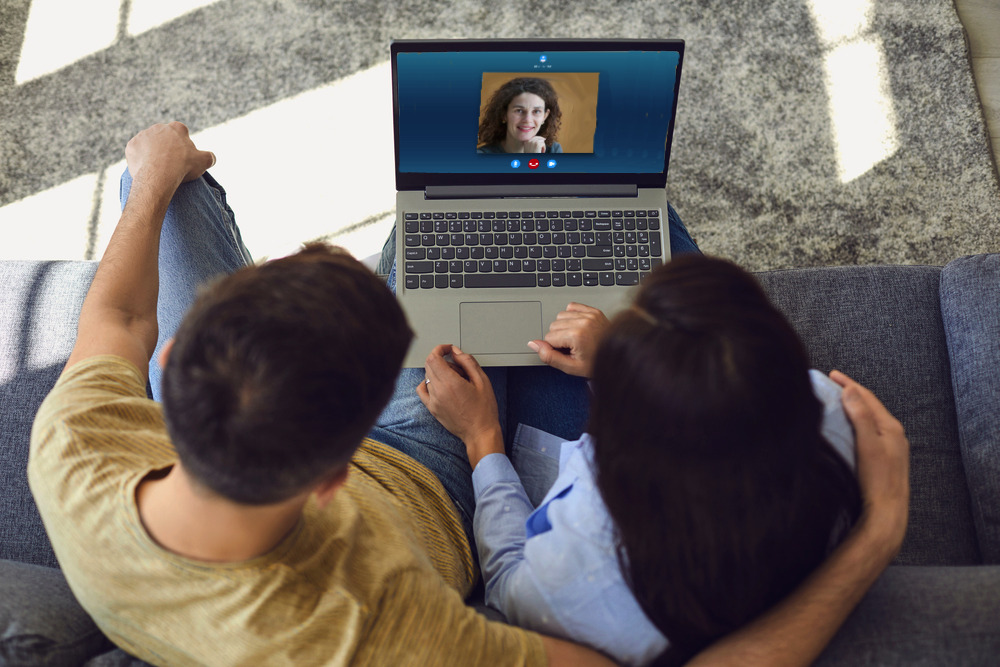
Online often feels faster and more real life
You are often sitting in the space where arguments happen, with the same phones, the same doorbells, and sometimes the same kids in the next room. That can be a downside, but it can also be surprisingly useful, because the therapist can see the patterns as they unfold.
- Pros: easier to fit into busy weeks, less time lost to commuting, and many couples feel less intimidated at home.
- Cons: it is easier to interrupt, multitask, or disconnect emotionally. Tech issues can break the emotional momentum.
In-person often feels slower and more contained
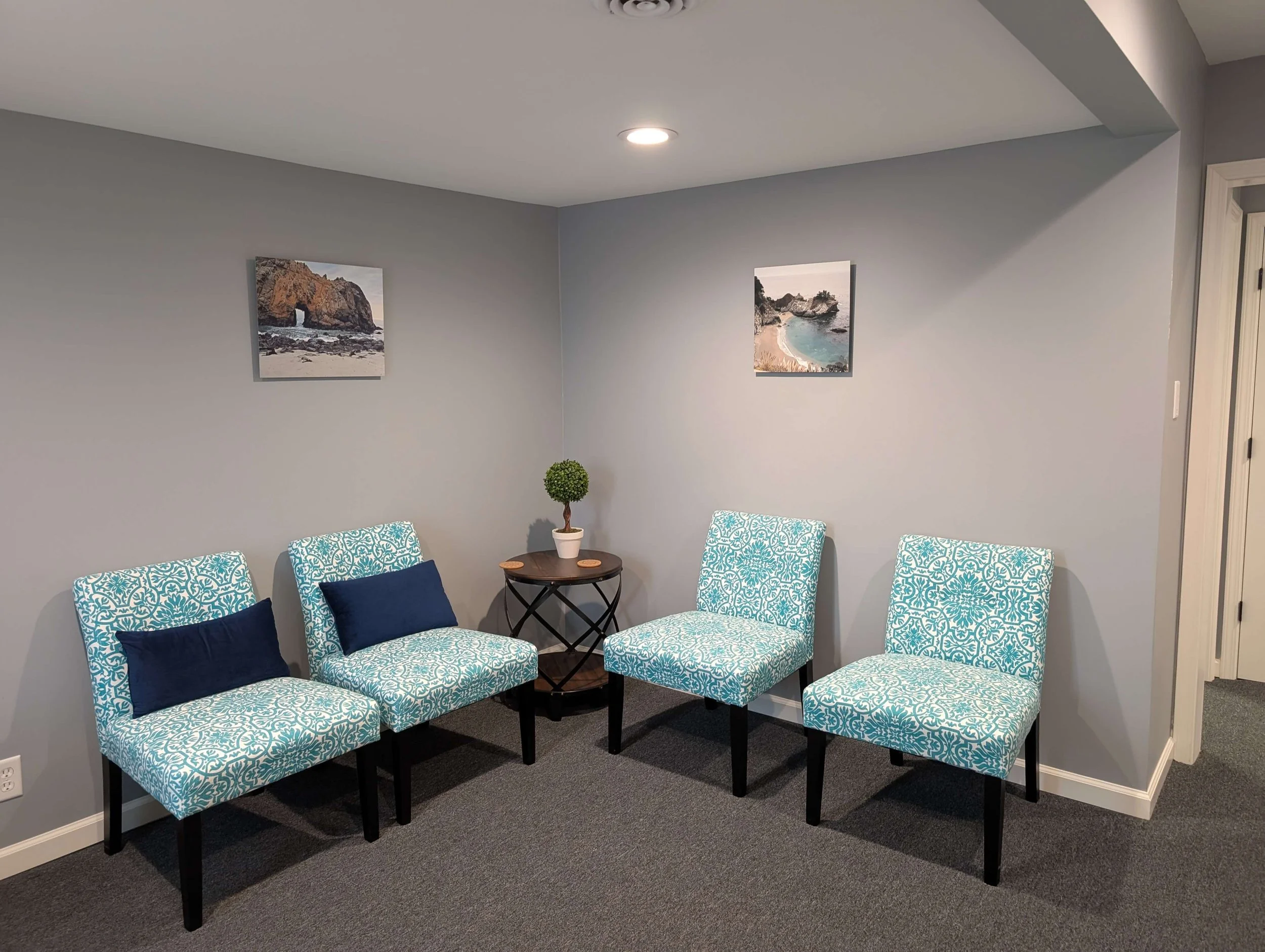
The office creates a natural boundary. You travel there, you do the work, and you leave. For some couples, that container makes hard conversations possible in a way home simply does not.
- Pros: fewer distractions, stronger sense of structure, and it can be easier for a therapist to track conflict dynamics in real time.
- Cons: scheduling can be tougher, and some people feel more self-conscious face to face.
Privacy at home
Online couples counseling works best when you can talk freely. That sounds obvious, but privacy is one of the most common things that quietly derails video sessions.
Questions to ask before you choose online
- Can we speak without being overheard? Think kids, roommates, thin walls, and pets who react to raised voices.
- Can we sit where we both feel safe? That includes physical safety, but also emotional safety. Not everyone can be vulnerable in a shared home space.
- Can we prevent interruptions? Doorbells, deliveries, work pings, and family members walking in tend to spike reactivity.
- Can we use headphones? Headphones can dramatically improve privacy and reduce the urge to “perform” for anyone nearby.
If privacy is shaky, in-person may be the kindest option for your relationship, even if it is less convenient.
Conflict and the screen effect
Many couples choose a format based on scheduling. That matters, but communication patterns matter just as much.
Online can magnify misunderstandings
Even slight audio lag can create the feeling of being interrupted. If you already struggle with talking over each other, video sessions can feel like trying to waltz on a moving sidewalk.
- If you tend to escalate quickly, ask the therapist about clear turn-taking rules for online sessions.
- If one partner shuts down, online sessions can make it easier to check out by looking away or going quiet.
In-person can help slow the cycle down
When a couple gets flooded, a skilled therapist is watching breathing, posture, tone shifts, and subtle cues that things are about to tip. In-person, it is often easier to catch the moment earlier.
If you are in a high-conflict season, you may appreciate our practical de-escalation tools here: 10 Tips to De-escalate a Heated Argument With Your Partner.
Scheduling and consistency
Therapy is rarely one dramatic breakthrough. It is more like physical therapy for your connection. The small, repeated reps matter.
Online counseling often makes it easier to keep appointments when life is heavy: caregiving, travel, shift work, co-parenting schedules, chronic illness, or simply two exhausted humans trying to make it to Thursday.
Online is often a strong fit when
- You have childcare constraints or caregiving responsibilities.
- One or both partners travel frequently for work.
- Driving, mobility, or health limitations make commuting hard.
- You live in an area with limited local couples therapy options.
In-person is often a strong fit when
- You struggle to take conversations seriously at home.
- Home life is loud, crowded, or unpredictable.
- Tech stress reliably derails hard talks.
- You want a clear ritual: arrive, work, leave, recover.
Cost and insurance
Cost varies by provider, region, and insurance. The format by itself does not guarantee cheaper care, but it can change your total cost in a few practical ways.
- Commute costs: in-person may include parking, gas, rideshare, and time off work.
- Childcare costs: online sometimes lets you schedule during a window when kids are occupied, though privacy still matters.
- Missed session risk: online can reduce cancellations, and fewer missed sessions often means better momentum and fewer “restart” conversations.
If you are weighing coaching versus therapy, which can affect insurance coverage and scope, see: Couples Therapy vs. Relationship Coaching.
Licensing and location
A practical limitation of online therapy is that mental health licensing is often state-based in the U.S. In many situations, a therapist needs to be licensed in the state where you are physically located at the time of the session.
Rules can vary by state and license type, and some professions have compacts or temporary practice options. The simplest move is to confirm the rules with the clinician before you book, especially if you travel.
Three questions to ask before you book
- What state(s) are you licensed in? Ask for the list, especially if you travel.
- Where do you consider us located during sessions? For couples in two homes or frequent travel, clarify how the practice handles it.
- What happens if we are temporarily out of state? Some therapists will pause sessions, adjust scheduling, or help you plan for coverage while you are away.
If you and your partner live in different states, you may need a therapist who can legally serve both of you, or you may need a different plan for sessions when one partner is traveling.
Making online therapy smoother
If you choose online, a little setup can prevent a lot of frustration, especially during sensitive conversations.
- Use one device when possible: sitting together (with the camera far enough back to include both of you) often helps the therapist track the dynamic. If you need two devices, wear headphones to avoid echo.
- Check your camera angle: set the screen at eye level and try to keep your upper bodies visible, not just your faces. It gives the therapist more information about what is happening.
- Have a backup plan: ask if the therapist can switch to a phone call if video freezes.
- Plan the last five minutes: decide where you will go after the session, even if it is just separate rooms to reset.
When in-person is often more containable
There are situations where in-person sessions can feel more containable and easier to structure safely. That said, safety is personal and context-dependent. For some people, travel to and from an office, or what happens after you leave, is the highest-risk part.
If anything about couples work raises safety concerns, it is worth discussing options with a professional so you can choose the safest plan for your specific situation.
Consider in-person, or individual support first, if
- Arguments include threats, intimidation, blocking exits, or fear of retaliation.
- One partner uses therapy language to control, humiliate, or punish the other.
- Substance use, active affairs disclosure, or explosive conflict makes it hard to safely end a session and “go back to normal” at home.
- You are worried a partner might eavesdrop, record, or force their way into the space during an online session.
Hybrid can be a good middle path
Many couples do best with a hybrid plan, especially when life is busy but the relationship is tender.
- Start in-person, continue online: build trust and communication structure face to face, then maintain momentum from home.
- Mostly in-person with online backups: keep your regular office slot, but use video when sickness, travel, or childcare blows up your week.
- In-person for high-conflict sessions: if you can predict certain topics will spike reactivity, schedule those in office.
A quick decision guide
If you are exhausted and just want an answer, use this simple filter. Pick the option that gives you the best chance of showing up consistently and staying regulated enough to hear each other.
- Choose online if you can protect privacy, you mostly argue without intimidation, and the biggest barrier is time and logistics.
- Choose in-person if conflict escalates fast, home feels emotionally unsafe, or you keep getting derailed by distractions and tech.
- Choose hybrid if you want the steadiness of an office relationship with the flexibility of video when life gets messy.
If you are still unsure whether counseling is the right next step at all, this may help you sort it out: 7 Signs It’s Time for Couples Counseling.
What to ask before session one
You do not need to interview a therapist like you are hiring for a high-stakes role, but a few targeted questions can save you weeks of frustration.
Format and logistics
- “How do you handle tech problems or interruptions during online sessions?”
- “Do you offer hybrid scheduling if we need it?”
- “What is your cancellation policy?”
Conflict and safety
- “How do you structure sessions when we talk over each other or escalate?”
- “What is your approach if one of us feels unsafe or overwhelmed?”
- “Do you ever recommend individual sessions alongside couples work?”
Fit and method
- “What framework do you typically use for couples, and what does a session look like?”
- “What should we do between sessions when conflict shows up?”
If you are curious what the first appointment usually feels like, you can preview it here: What to Expect at Your First Couples Counseling Session.

Scripts that help either way
Sometimes the difference between a good session and a painful one is how you start and how you end.
Before the session
- “Can we put our phones in the other room for 50 minutes?”
- “If either of us gets overwhelmed, can we agree to take one minute to breathe instead of pushing through?”
- “Let’s each name one thing we want the therapist to help with today.”
After the session
- “Do you want quiet for 10 minutes, or do you want a quick check-in?”
- “What is one thing you heard me say that mattered?”
- “Let’s not re-litigate this topic tonight. We can write down what came up and bring it next time.”