

The day your teen comes home from residential treatment can feel like a finish line. In reality, it is more like moving from intensive support to real life with training wheels. You can be grateful and relieved and still anxious, guarded, or emotionally worn down.
Here is what to expect in the first few weeks, how step-down care often looks, and how to set steady expectations without making promises no one can keep.
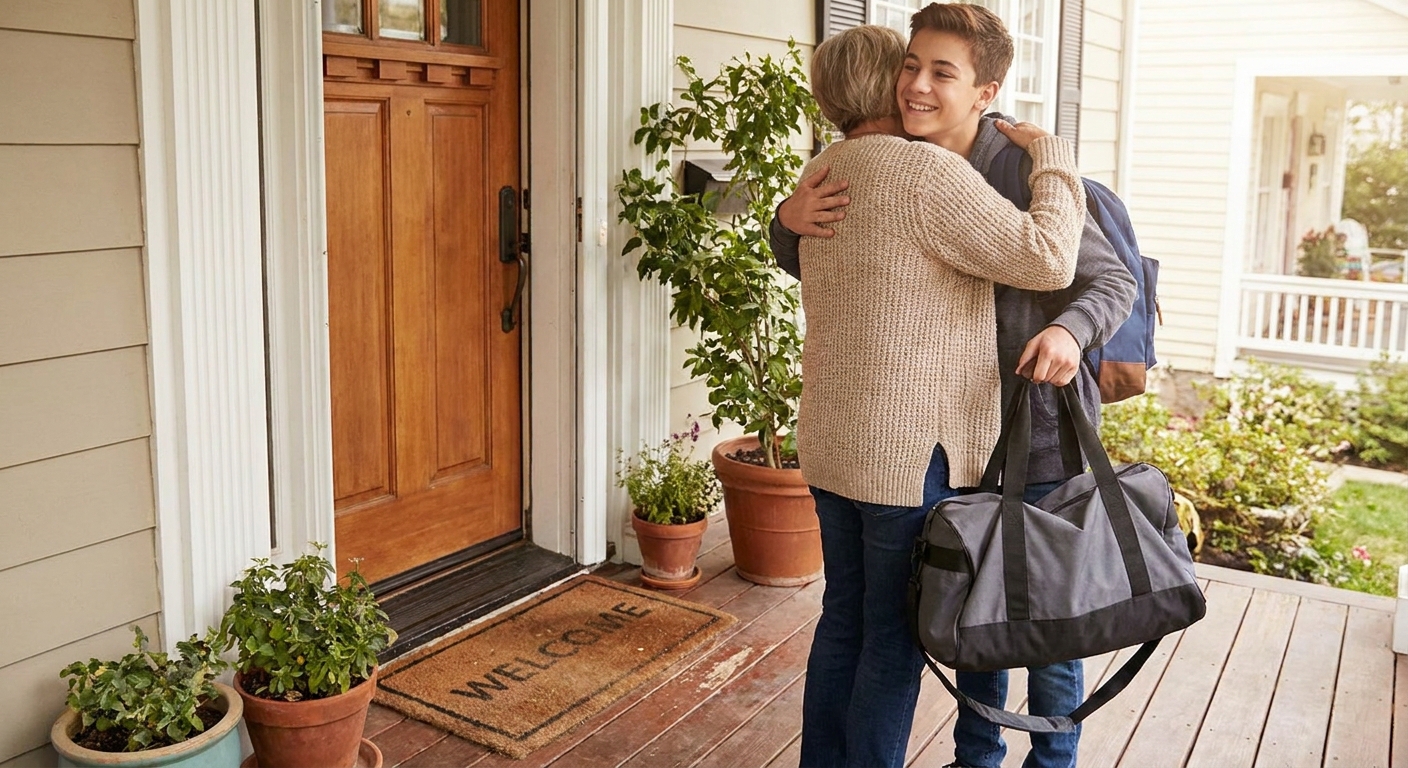
The big shift: structure changes fast
Residential programs are built around predictability. Meals happen at set times. Rules are clear. Adults are everywhere. Peers are going through similar things.
Home is more complicated. Even in the healthiest families, home has history, shortcuts, sibling dynamics, privacy, phones, chores, and the freedom to make choices that are not always great ones.
What often surprises parents is that your teen may temporarily look worse before they look better. Not because treatment failed, but because they are practicing skills in the exact environment that triggers old patterns. And sometimes, you will see the opposite: a teen who looks lighter right away because they are relieved to be home. Both can be normal.
Before discharge: set up the handoff
The smoother the planning is before your teen walks in the door, the less you have to improvise during an already emotional week.
If you can, ask the residential team to walk you through:
- Relapse prevention and trigger plan: what tends to knock your teen off track and what helps them recover faster.
- Means safety at home: practical steps for securing medications, sharps, and any weapons in the home when relevant.
- Home passes and how they went: what the team noticed during visits or weekend passes and what they recommend adjusting.
- Aftercare referrals and records: who is calling whom, what information is being sent, and what you need to sign so outpatient providers can coordinate care.
- School re-entry recommendations: suggested pace, accommodations, and what the team believes will be too much too soon.
Step-down care: what it can include
Many discharge plans include “step-down” support, meaning a planned transition from 24/7 structure to less intensive care. Many programs treat the first few weeks at home as a higher-risk adjustment window, so the goal is to reduce surprises and tighten support while your teen gets their footing.
Step-down plans vary by diagnosis, safety needs, insurance, and what is available locally. Common pieces include:
- Outpatient individual therapy one or more times per week.
- Family therapy to practice communication and rebuild trust at home.
- Medication management visits if your teen is on psychiatric medication.
- Group therapy for skills practice and peer support.
- Intensive outpatient program (IOP) or partial hospitalization program (PHP) for a higher level of structure without an overnight stay, typically with extended day hours.
- School coordination to reduce overwhelm and support attendance and accommodations.
If your teen is stepping into an IOP or PHP, you may also want to read our overview of levels of care in Weekly Therapy vs. a Day Program for Your Teen.
Use the discharge plan without turning home into a facility
The discharge plan is a map, not a contract. It helps you know what to do next, who to call, and what warning signs matter most. It is not meant to turn you into a parole officer, a nurse, or a full-time therapist.
- Ask for a written safety and follow-up plan before discharge and keep it easy to find.
- Schedule the first appointments before your teen comes home whenever possible.
- Clarify who to contact after hours if something escalates.
- Agree on what parents will monitor and what stays private, then revisit in two weeks.
If it helps to make monitoring feel less personal and less carceral, keep it concrete and routine-based. For example: medications stored in a lockbox with a parent managing refills, an agreed phone charging spot at night, or a short daily check-in about where they will be and who they will be with.
The first two weeks home: what may change
Families often expect a “new” teen to walk in the door. More commonly, you get the same teen with some new tools, plus exhaustion from a major transition.
Common early changes you might see
- Emotional whiplash: relief, anger, hope, shame, excitement, grief, and numbness in the same day.
- Sleep disruption: trouble falling asleep, sleeping too much, or a shifted schedule.
- More irritability at home than elsewhere: home is where they feel safest to fall apart.
- Clinginess or distance: either can be a stress response.
- Testing limits: not necessarily defiance, often a way to find out if the “new plan” is real.
Common things that may not change quickly
- Grades and motivation: academics often lag behind emotional stabilization.
- Family trust: trust usually rebuilds through consistent behavior over time, not one heartfelt conversation.
- Friend dynamics: some friendships will not survive treatment, and that can be painful even if it is healthier.
- Sibling tension: siblings may have their own anger, fear, or resentment to work through.
If your family is already feeling combustible, you may find it helpful to skim 7 Signs Your Family Is in a High-Conflict Season and choose one small stabilizing step.
What not to promise
When a teen comes home, parents want to soothe. Teens want certainty. Everyone wants the pain to stop.
The problem is that certain promises can backfire. They create pressure, denial, or a sense of betrayal the moment life gets messy again.
Try not to promise these
- “You’ll never have to go back.” Better: “We’re going to do everything we can to support you at home, and we’ll make safety decisions as a team.”
- “Things will be normal now.” Better: “Things will be different, and we’ll find a new normal over time.”
- “Just tell me everything.” Better: “You don’t have to tell me everything. I do need to know if you’re not safe.”
- “We’ll never fight again.” Better: “We’re learning to fight differently, and we will take breaks when it gets heated.”
If you want language for calmer conversations with a teen who is shut down or prickly, see How to Help a Teen Open Up Without Pressuring Them.
House rules: fewer and clearer
Some families come home with a long list of rules. Others are so afraid of rocking the boat that they avoid boundaries entirely. Both tend to increase conflict.
A better starting point is a short set of rules tied to safety, respect, and the discharge plan. Then enforce them consistently, not emotionally.
Three categories that usually matter most
- Safety rules: medication storage, curfew, check-ins, self-harm safety steps, substance expectations when relevant.
- Respect rules: no screaming, no threats, no breaking property, no cruelty to siblings.
- Stability rules: sleep and morning routine basics, therapy attendance, and communication about schedule changes.
If you need a framework for rules that reduce power struggles, start with House Rules With Teenagers Without Power Struggles.
A simple script for introducing rules
You can say:
“We’re really glad you’re home. We’re going to keep things simple at first. These are the few rules that help our home stay safe and calm. We can revisit them together in two weeks.”
Phones and friends: plan the re-entry
One of the biggest shocks after residential is unfiltered access to old friend groups, social media, and private messaging. Even positive connections can become intense fast.
If your teen had limited phone access in treatment, consider a gradual return that you explain in advance. The goal is not punishment. It is nervous system pacing.
- Start with windows: agreed times for phone use rather than unlimited access all day.
- Protect sleep: a consistent overnight charging spot outside the bedroom if that fits your safety plan.
- Talk about “red flag” contacts: people, accounts, or group chats that escalate symptoms or risky behavior.
- Offer alternatives: in-person, supervised hangouts or a structured activity to replace doom-scrolling when they are anxious.
Rebuilding trust: look for patterns
After a residential stay, trust is often tender on all sides. Your teen may feel watched. You may feel hypervigilant. Siblings may feel overlooked or unsafe.
Trust rebuilds when everyone can count on what happens next, especially after a hard moment. That means steady routines, steady boundaries, and steady repair when someone messes up.
What helps more than lectures
- Brief check-ins at a consistent time each day, such as after dinner.
- Repair language like “I got loud. I’m going to take five minutes and come back.”
- Follow-through on therapy, meds, and agreed-upon rules.
- Neutral curiosity instead of cross-examination.
For parents trying to balance accountability with connection, it can help to choose one communication tool and practice it daily. 10 Strategies to Improve Communication With Your Teen is a good menu to pick from.
School re-entry: coordinate early
School is often the fastest way a teen feels “behind” again. The goal is not to pretend everything is fine. The goal is a realistic plan that protects recovery.
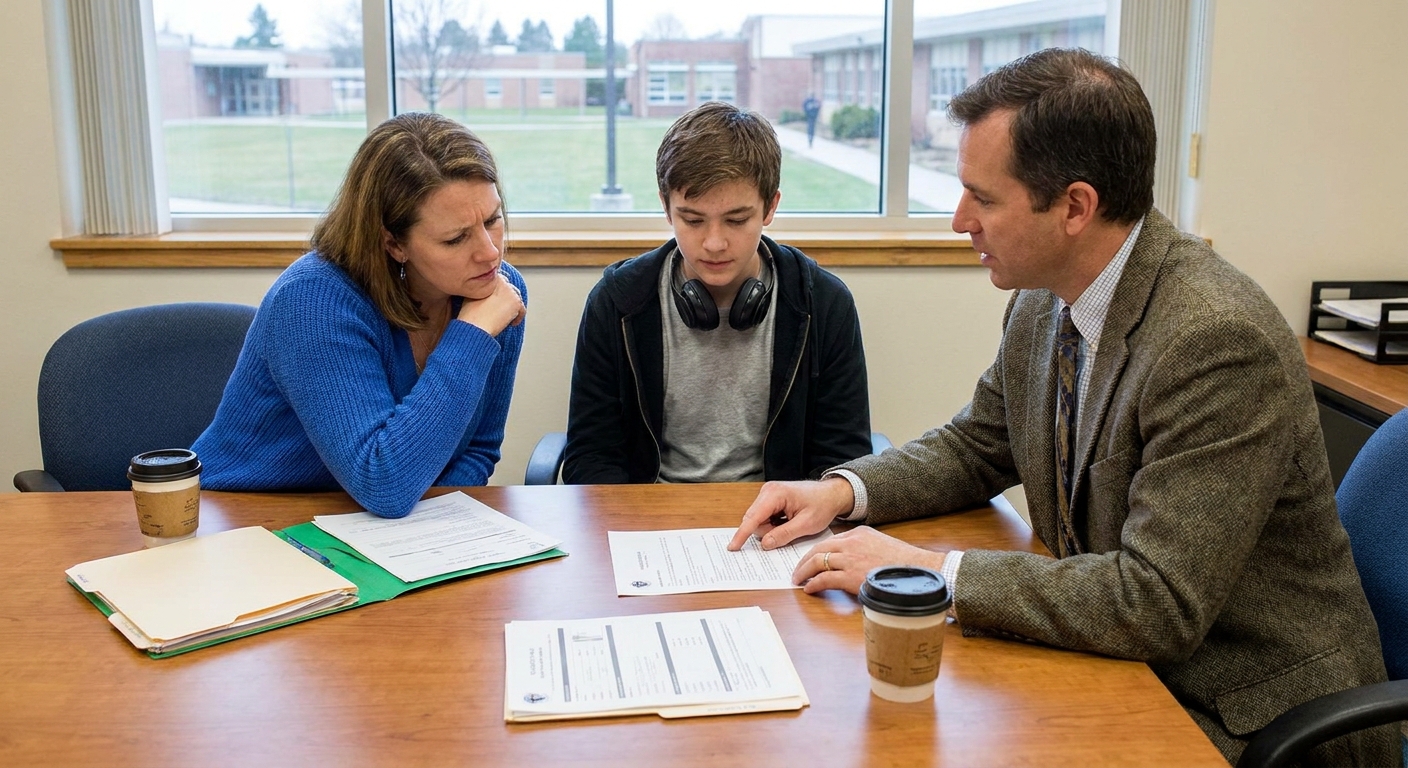
Most families do better when they coordinate with the school before the first full week back. That can include a reduced schedule, a quiet place to reset, modified workload, or a plan for missed work.
If your teen’s provider can offer documentation for supports, you may find Therapist Letters for School Accommodations helpful when you are figuring out what to ask for and how schools tend to use those letters.
Siblings: everyone transitions
When one child comes home from residential care, the whole household has been living around the crisis for a long time. Siblings may have learned to stay small, stay quiet, or stay angry.
It can help to name this directly, without turning siblings into additional caretakers.
What you can say to siblings
“Your sibling is home, and we’re glad. That does not mean everything is easy. Your feelings matter too. You are not responsible for your sibling’s recovery, and you can always come to us if you feel unsafe or overlooked.”
If sibling conflict spikes, it can be useful to tighten routines and reduce comparison. 7 Ways to Manage Sibling Rivalry offers concrete moves that do not require a perfect family meeting.
If your teen refuses follow-up therapy
It is common for teens to feel “done” with treatment the moment they are home. Some are simply tired of being a patient. Some are scared of change. Some fear losing independence again.
If your teen resists outpatient therapy, you have options besides pleading or threatening.
- Start with collaboration: “What would make this feel worth it for you?”
- Offer controlled choices: “Do you want in-person or online?”
- Ask about fit: “Was there something about therapy there that worked better than it does here?”
- Use time-limited agreements: “Let’s do four sessions, then we reassess with your therapist.”
If you are deciding how hard to push, this may help: Should You Require Your Teen to Attend Therapy?
Warning signs to take seriously
Not every mood swing is an emergency. But there are situations where it is wise to move quickly and involve professional help.
Call the treatment team, outpatient provider, or local crisis resources if you notice
- Talk about wanting to die, self-harm, or not being here, even if it sounds vague.
- Self-harm behaviors or finding tools used for self-harm.
- Threats of violence toward others or access to weapons.
- Severe substance use relapse or dangerous intoxication.
- Not sleeping for long stretches with escalating agitation, paranoia, or risky behavior.
- Running away or being missing.
If you believe your teen is in immediate danger, call your local emergency number right away or go to the nearest emergency department. If you are unsure whether it rises to that level, you can still contact a crisis line for guidance. You do not have to decide alone.
A first-week plan you can do
If you are exhausted, you do not need a perfect reintegration plan. You need a short, survivable plan that reduces surprises and helps everyone pace.
- Keep the homecoming day simple with low expectations and a small audience.
- Review the schedule for the next 72 hours, not the next year.
- Pick two daily anchors such as dinner together and a 10-minute check-in.
- Set three house rules that you will enforce calmly and consistently.
- Confirm step-down appointments and transportation.
- Choose one parent support such as your own therapy or a trusted friend who can listen without escalating the drama.
If you are trying to figure out how parents fit into therapy going forward, How Parents Take Part in a Teen’s Therapy can help you anticipate what involvement might look like.